


Magnetic hooks can potentially harm refrigerators, particularly stainless steel models, if not used carefully. Here are some key considerations:
Potential Risks
- Scratching: Magnets with sharp edges or textured surfaces may scratch the refrigerator's finish. It's advisable to use flat, smooth magnets to minimize this risk.
- Adhesive Residue: If the magnetic hook has an adhesive backing, it may leave residue when removed. This can be difficult to clean and may damage the surface if not handled properly.
- Magnetic Interference: Strong magnets, especially neodymium types, can interfere with electronic components inside the refrigerator, such as hall sensors or reed switches that detect door openings. This could potentially lead to malfunctions.
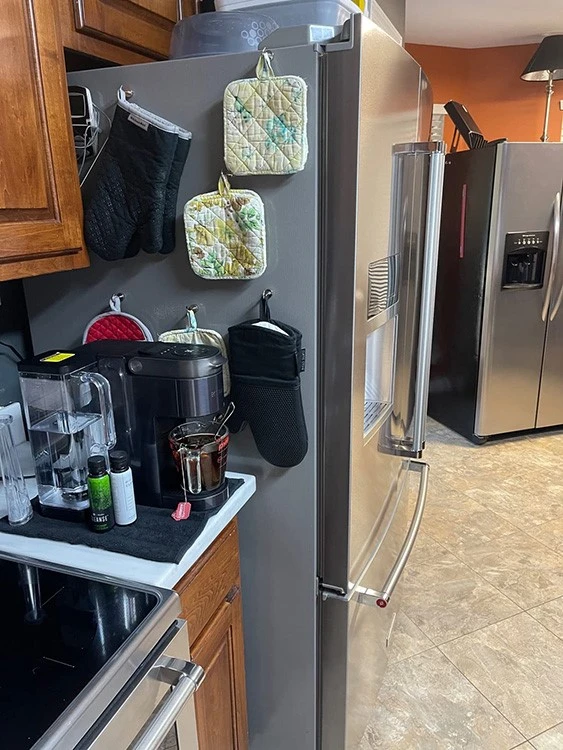
Best Practices for Use
- Use Protective Padding: To prevent scratches, consider placing a thin layer of felt or rubber between the magnet and the refrigerator surface.
- Choose Appropriate Magnets: Opt for magnets specifically designed for use on appliances, which often have smoother surfaces and protective coatings.
- Limit Weight: Be cautious about the weight of items hung from magnetic hooks. Overloading them can lead to slippage and potential damage when they fall.
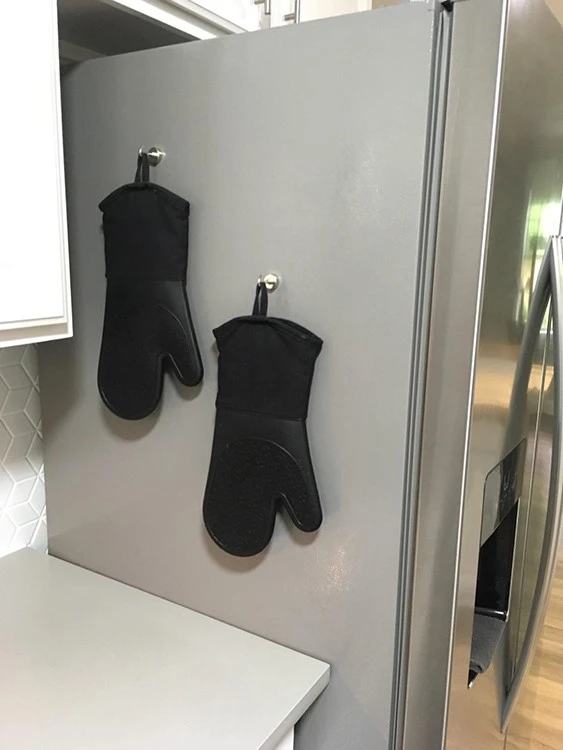
In summary, while magnetic hooks are convenient for organizing items on refrigerators, they should be used with care to avoid scratching the surface or interfering with any internal mechanisms.


