


Magnetic Assembly
What is Magnetic Assembly?
A magnet assembly consists of a combination of magnets and non-magnetic materials that often form a stronger magnetic field together. The non-magnetic materials protect the magnets from damage. They also contribute to a mechanically stronger magnet system.
Advantages of Magnetic Assembly
High strength and reliability
Magnetic assemblies can generate powerful magnetic fields that can be relied upon to provide consistent performance. The use of high-quality magnets and materials in magnetic assemblies also helps ensure long-term durability and reliability.
Customizability
Customized Magnetic assemblies can be designed and manufactured to meet specific application requirements, including size, shape, and strength. This allows for a high degree of customization and precision in magnetic assemblies, making them suitable for a wide range of applications.
Versatility
The Magnetic assembly can be used in a wide range of applications, from new energy vehicles and hybrid vehicles to medical equipment to daily use poster hanger. This versatility makes them a popular choice across many industries and applications.
Cost-effective
Magnetic assemblies can be a cost-effective solution for many applications, particularly when compared to other types of electromechanical devices. They often require less maintenance and have a longer lifespan, helping to reduce overall costs over time.


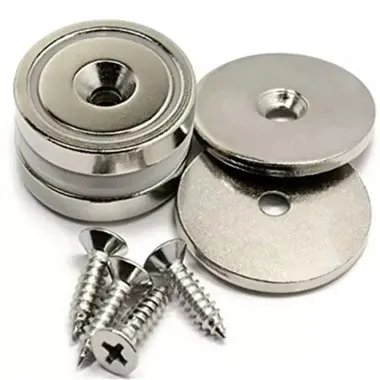

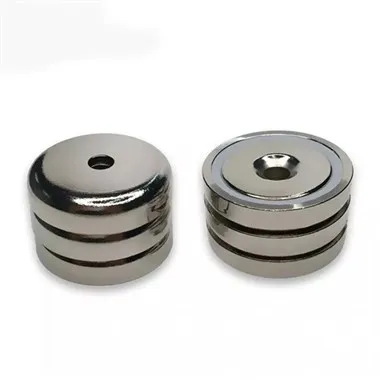
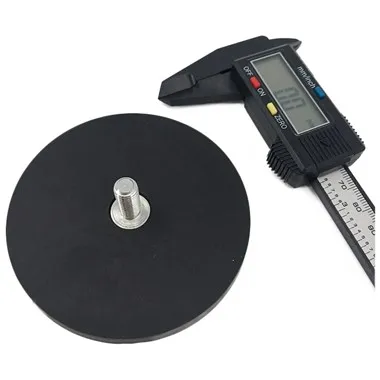
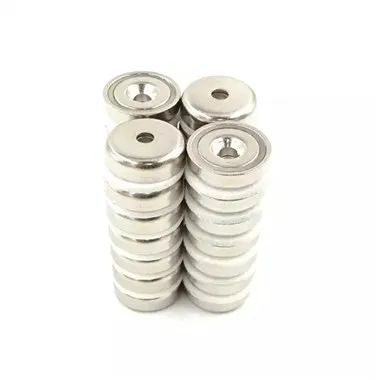


A magnet assembly is a permanent magnet bonded to another permanent magnet or a different carrier material. Extremely precise magnet positioning and the very high forces associated with large volume magnetized parts make the assembly of the magnet assembly a challenging task.
Why Choose Us
Quality Service
Service Guarantee: We maintain high standards of excellence and strive for 100% customer satisfaction! If you are satisfied with our products and services, please leave us positive feedback, and you will receive 5 feedback points.
Fast Delivery
Shipping Guarantee: Package information can be tracked. If you have not received your package after 45 days, please contact us, and we will issue a full refund.
Our Certificate
We believe that our company's success is directly related to the quality of the products we offer. They meet the highest quality standards as stipulated by ISO 9001, ISO 14000:14001, SGS guidelines, and our stringent quality control system.
Application
The company focuses on the research, development, and production of precast concrete magnets, fishing magnets, magnet hooks, and magnetic separators. Our products are widely used in precast concrete, food, medicine, chemicals, minerals, industrial filtration, recycling, and other industries.
Types of Magnetic Assembly
Permanent magnet assembly
This type of magnetic assembly is composed of permanent magnets. They are used to create a steady magnetic field that is required in applications such as electric motors and generators.
Electromagnet assembly
This type of magnetic assembly is made up of an electromagnet. They can be switched on and off, and can be used in various applications such as magnetic pick-up devices and MRI machines.
Magnetic separator assembly
This type of magnetic assembly is used to separate magnetic materials from non-magnetic ones. They are commonly used in the mining industry, recycling facilities, and the food industry.
Magnetic chuck assembly
This type of magnetic assembly is used to hold and clamp ferrous materials in place during machining operations. They are often used in manufacturing applications such as metalworking and woodworking.
Magnetic sweepers assembly
This type of magnetic assembly is used to pick up ferrous debris from surfaces such as floors and parking lots. They are commonly used in construction sites, manufacturing plants, and warehouses.
Magnetic lifter assembly
This type of magnetic assembly is used to lift and move heavy ferrous objects such as steel plates and pipes. They are often used in construction and manufacturing industries.

Magnetically hard materials are used to create permanent magnets made from alloys generally consisting of varying amounts of iron, aluminium, nickel, cobalt, and rare earth elements samarium, dysprosium, and neodymium.
Application of Magnetic Assembly
Manufacturing of motors
Magnetic assembly is used in the manufacturing of electric motors. It helps in positioning the magnets in the motor casing correctly. The motor operates based on the magnetic fields produced by the magnets. The precise placement of the magnets is crucial to the performance of the motor.
Medical equipment
Magnetic assembly assists in creating diagnostic imaging equipment such as MRI machines. MRI machines use powerful magnetic fields to produce images of the human body. The accurate assembly of the magnets is critical in creating a strong and uniform magnetic field for the imaging process.
Aerospace and defence
Magnetic assembly is used in the manufacturing of various aerospace and defence equipment. For example, it is used in creating the guidance system of missiles. The magnets are precisely assembled to ensure the accurate trajectory of the missile.
Telecommunications
Magnetic assembly has applications in the manufacturing of telecommunication equipment. It assists in creating the various components of smartphones, laptops, and other communication devices. The assembly of magnets is used in creating sensors, speakers, and memory components.
Energy sector
Magnetic assembly is used in the production of renewable energy devices such as wind turbines and generators. The magnets assist in creating the magnetic field necessary for the production of electricity.
Consumer products
Magnetic assembly is used in the manufacturing of various consumer products such as kitchen appliances, toys, and electric toothbrushes. For example, the magnetic assembly is used in the motor of electric toothbrushes, which helps in the efficient cleaning of teeth.
Process of Magnetic Assembly
Design
The first step involves the design of the magnetic assembly. This involves identifying the requirements, dimensions, and specifications necessary to create the desired product.
Selection of magnets
Based on the design, the appropriate type of magnet is selected. Various types of magnets are available, including neodymium magnets, ceramic magnets, and alnico magnets.
Selection of other components
Other components that may be required for the magnetic assembly are chosen. Examples include iron or steel parts, adhesives, and non-magnetic materials.
Assembly
The assembly process involves the physical combination of the magnets and other components. Depending on the design, various methods may be used, such as adhesive bonding, mechanical fastening, or welding.
Testing and quality control
Once the assembly is complete, testing is performed to ensure that it meets the specified requirements. Quality control measures are then implemented to ensure consistency in production.
Packaging
The final step is packaging the magnetic assembly for shipment to the customer. This may involve additional steps such as labeling, inspection, and protection to ensure safe delivery.
Components of Magnetic Assembly
Magnet
The primary component of a magnetic assembly is the magnet itself. The magnet could be made of different materials, such as neodymium, ferrite, or alnico.
Housing
The housing is the physical container or structure that holds the magnet in place. The housing could be made of a variety of materials, including stainless steel, aluminum, or plastic.
Pole pieces
The pole pieces are the parts of the assembly that come into direct contact with the objects being magnetized. They play a critical role in focusing the magnetic field generated by the magnet.
Coil
In some magnetic assemblies, a coil is used to increase the strength of the magnetic field. The coil is made of copper wire and is connected to a power source.
Sensors
Some magnetic assemblies include sensors, such as Hall effect sensors or magnetoresistive sensors. These sensors are used to detect changes in the magnetic field and can be used for a variety of applications, including position sensing and speed sensing.
Mounting hardware
Finally, most magnetic assemblies include mounting hardware, such as screws or brackets, that allow the assembly to be attached to other objects or structures.
Maintenance of Magnetic Assembly
Keep the surfaces clean
Magnetic assemblies can be affected by dust, dirt, or other particles on their surfaces. Regular cleaning can help prevent build-up and keep the assembly functioning optimally.
Protect from impacts
Magnetic assemblies can be damaged or exposed to excessive wear and tear if they are subjected to impact or rapid, hard movements. Protecting them from physical impacts or limiting their exposure to fast movements can increase their lifespan.
Monitor temperature
Magnetic materials can lose their magnetization if exposed to extreme temperatures such as heat or cold. Maintaining a consistent temperature range will ensure long-term magnetic viability.
Monitor magnetic strength
The magnetic strength of an assembly can be affected by factors like vibration, changing temperature, or damage. Regular inspection and testing can help identify and address any causes of weakness.
Use appropriate lubricant
Lubricants can help extend the life of magnetic assemblies by reducing friction and preventing corrosion. Be sure to choose lubricants specifically designed for use with magnetic materials.
Store in a proper location
Magnetic assemblies should be stored in a designated clean and dry location, where they are protected from exposure to the environment.
Certifications

Our factory
Xiamen Qianci Magnet Technology Co., Ltd. is a powerful magnetic material factory that specializes in the production, research and development of cymbal iron boron magnetic materials.

FAQ
Q: What is magnetic assembly?
Q: What are some examples of magnetic assemblies?
Q: What are the benefits of magnetic assembly?
Q: What materials are used in magnetic assembly?
Q: What factors should be considered when designing a magnetic assembly?
Q: Can magnetic assemblies be customized?
Q: What industries use magnetic assembly?
Q: What are the applications of magnetic assembly?
Q: What are the different techniques used in magnetic assembly?
Q: What are the benefits of magnetic assembly?
Q: What factors should be considered while selecting magnets for magnetic assembly?
Q: What is magnetic assembly?
Q: What are the advantages of a magnet?
Q: What is the purpose of magnetic?
Q: How is magnet used in everyday life?
Q: Why do we need magnetic energy?
Q: What is the difference between a magnet and a magnetic material?
Q: Can magnets generate electricity?
Q: How long do magnets last?
Q: Is magnet a metal yes or no?