


Precast Concrete Magnets
What is Precast Concrete Magnets
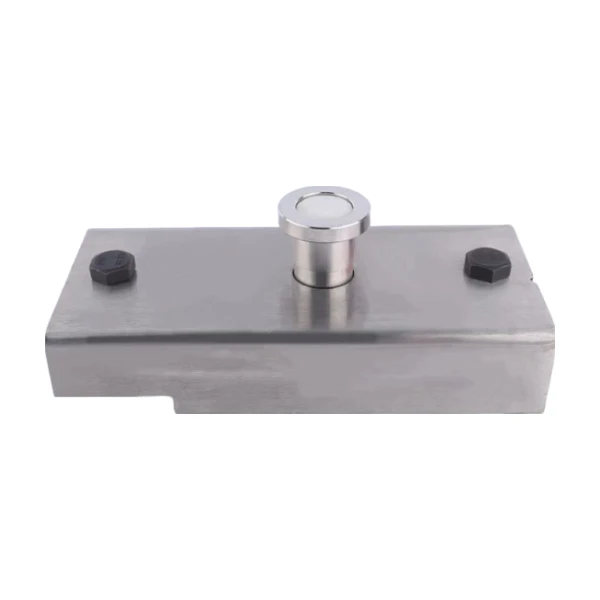
Precast concrete magnets, also known as magnetic shuttering systems, are innovative and versatile tools that have revolutionized the construction industry. These powerful magnets are designed specifically for precast concrete applications, where they play a crucial role in securing and positioning concrete elements during the casting process. Precast concrete magnets have a strong neodymium magnet encased in a durable steel housing. These magnets are strategically embedded into a formwork system, providing a secure and efficient method for assembling precast concrete components. The magnets create a strong magnetic force that holds the formwork in place, allowing for precise alignment and positioning of concrete elements.
Benefits of Precast Concrete Magnets
Increased Efficiency and Productivity
Utilizing precast concrete magnets significantly enhances construction efficiency and productivity. The magnetic system allows for rapid and precise assembly and disassembly of formwork, reducing the time required for these tasks. The quick and efficient process accelerates construction timelines, enabling projects to be completed more promptly.
Enhanced Safety During Installation and Dismantling
Safety is paramount in any construction project, and precast concrete magnets contribute to a safer working environment. The magnetic force eliminates manual clamping or screwing, minimizing the risk of accidents or injuries during formwork installation and dismantling. The streamlined process enhances worker safety and reduces the potential for mishaps.
Flexibility in Formwork Positioning and Adjustments
Precast concrete magnets offer unparalleled flexibility in formwork positioning and adjustments. The magnets can be easily repositioned or readjusted to ensure precise alignment and placement of the formwork. This flexibility allows adjustments to be made quickly and accurately, accommodating design changes or unforeseen on-site conditions.
Reduction in Labor Costs and Time
Precast concrete magnets significantly reduce labor costs and time by simplifying the formwork assembly process. The magnetic system eliminates the need for extensive manual labor in traditional formwork methods. With faster installation and dismantling, fewer workers are required, resulting in cost savings and improved project efficiency.


Precast concrete magnets is a new magnetic assembly which is used to fix the framework in precast industry. The assembly consists of some strong neodymium magnets and steel plates which form to certain designed magnetic circuit. This magnetic circuit provides very much stronger adhesive force to any ferrous workpiece. But the magnetic power is shielded and controlled by the thick metal box. We develop the push ON/OFF button to open or close the magnetic power outside of the metal box.
1. Reducing the complexity and time of the installation of formwork (up to 70%). 2. Universal use for mass production of concrete products, and piece products of all forms on the same steel table. 3. Eliminates the need for welding, shuttering magnets does not damage the steel table.
Why Choose Us
Quality Service
Service Guarantee: We maintain high standards of excellence and strive for 100% customer satisfaction! If you are satisfied with our products and services, please leave us positive feedback, and you will receive 5 feedback points.
Fast Delivery
Shipping Guarantee: Package information can be tracked. If you have not received your package after 45 days, please contact us, and we will issue a full refund.
Our Certificate
We believe that our company's success is directly related to the quality of the products we offer. They meet the highest quality standards as stipulated by ISO 9001, ISO 14000:14001, SGS guidelines, and our stringent quality control system.
Application
The company focuses on the research, development, and production of precast concrete magnets, fishing magnets, magnet hooks, and magnetic separators. Our products are widely used in precast concrete, food, medicine, chemicals, minerals, industrial filtration, recycling, and other industries.
Classification Of Precast Concrete Magnets
Precast Concrete Shuttering Magnets
Shuttering magnets is a magnetic fixing device specially developed for fixing precast concrete formwork; simple structure and easy to use.
In the production of PC components, compared with the traditional mechanical fixing of screws and nuts, the shuttering magnet box does not require drilling, welding, and will not damage the mold table; it can adapt to different template systems, and it is quick and easy to disassemble. It can be reused and has a high economic benefit. Moreover, because of its strong holding power, it can effectively reduce the process and time of installing formwork, improve the work efficiency.
Embeded Precast Concrete Fixing Magnet
Inserted magnet is a magnetic fixing device specially developed for fixing various pre-embedded parts, which consists of two parts: a magnetic base with screw holes and a threaded rod with six holes; at the same time, we also produce a variety of pre-embedded magnets with rubber cover.
The production of precast concrete components requires a variety of switch and pipe holes, as well as pre-built links or lifting sleeves. It is fixed with inserted magnet, which will not damage the platform, and can ensure that the buried parts do not slip, accurate positioning, firm fixing, simple operation and high efficiency. At the same time, this magnetic holder can be used repeatedly over a long period of time to achieve cost savings.
Precast Formwork Shuttering Systems
The precast concrete shuttering system is composed of formwork steel bars and an embedded magnetic suction cup system. The steel moulds can be made in a variety of sizes to suit the side moulds of different concrete side molds. By means of a suction cup, the die can be pulled to the bottom of the side mould, so that the edges of the component to be formed are fixed.
Since the steel die and suction cup are one piece, there is no position shift, ensuring that the side die system does not deform. Also the simple and quick operation of the suction cup makes the whole work safer and more stable. With a matching pry bar, the suction cups can be pried up and the steel forms can be easily removed from the formwork side platform. Since the magnetic suction cup system is located inside the steel molded channel, concrete residue or other dirt will not damage the entire side mold system.
Magnetic Concrete Chamfer
In the production process of PC components, magnetic chamfer strip is a magnetic fixing tool to generate chamfers. It can be used to form a 45-degree beveled edge on the two surfaces where the concrete meets, or when using a chamfer-free side mold, if a chamfer needs to be generated, a chamfered magnetic strip can be flexibly used to form a triangular groove on the concrete. Depending on the material, we produce magnet chamfer that can be divided into steel and rubber types.
Magnetic rubber chamfers are lighter than magnetic steel chamfer and both right-angle side are magnetic. It also has a certain bendability, which is very convenient in the actual production and use. At the same time, rubber magnets are relatively simple to manufacture, with short delivery times and cheaper prices than strong magnets.
Magnetic steel chamfer is made of steel and neodymium iron boron magnets with high strength, non-slip and non-deformable. The built-in NdFeB magnet can be positioned exactly anywhere in the base or side mold. Chamfer strips can be reused for cost savings. We can produce magnetic chamfer in various sizes: single or double sided magnetic.
Applications of Precast Concrete Magnets
Precast concrete magnets find widespread applications in the production of various precast concrete elements, including walls, panels, beams, columns, slabs, and other structural components. These magnets are used in precast concrete plants and manufacturing facilities to streamline the production process and enhance the efficiency and accuracy of concrete casting.
In addition to their use in precast concrete production, these magnets are also employed in the construction of infrastructure projects such as bridges, tunnels, and buildings. The use of precast concrete elements offers numerous advantages, including accelerated construction schedules, cost savings, and improved structural performance.
Furthermore, precast concrete magnets contribute to the sustainability of construction practices by promoting the use of durable and long-lasting concrete products. The efficient production of precast concrete elements with the help of magnets reduces material waste and energy consumption, making it an environmentally friendly choice for construction projects.
Maintenance & Safety of Precast Concrete Magnets
In the process of using the precast concrete magnet, it should be prevented the use of hard tools, such as knocking, bruising, etc., causing deformation of the magnetic devices, or even damage to the magnet, so as not to affect the magnet performance. If a tool must be used, a rubber hammer is recommended for gentle tapping.
The magnetic forwork accessories should be kept clean and flat to prevent iron chips or concrete slurry from entering the inner side, which will affect the flexibility of the switch, and at the same time this may cause the magnetic block to tilt, fail to fit the platform evenly, and even reduce the suction force.
The mounting magnet is very strong, should be avoided near precision instruments, electronic instruments and other devices susceptible to magnetic influence, but also not near other ferrous materials, once adsorbed, it is difficult to separate. It is recommended to make special toolboxes for magnetic fixing devices and other magnetic holders.
The working surface of the precast magnet component should always be kept clean and flat at all times. If not used for a long time, the holding surface should be oiled to prevent rust. The magnet should be checked frequently for a smooth fit to the platform and the flexibility of the switch so that it does not interfere with normal use.
Note that the actual operating temperature should not exceed the maximum operating temperature of the Construction magnet.
For other safety tips, refer to the Rare Earth Magnet Safety Tip.
Several factors must be considered when selecting magnets for precast concrete applications to ensure optimal performance and safety. Here are some key factors to keep in mind:
Load Capacity
Determine the weight and load requirements of the precast concrete element. The magnets must be capable of securely holding the weight of the concrete during casting and lifting.
Magnet Strength
Consider the magnetic strength required to ensure a firm and reliable attachment. Strong magnets are essential for securely holding the formwork or recess formers in place during the concrete casting process.
Surface Contact
Evaluate the surface conditions and contact area between the magnet and the precast concrete element. The magnets should have sufficient surface contact to maximize their holding capacity. Smooth and flat surfaces provide better contact compared to rough or irregular surfaces.
Magnet Coating
Check if the magnets have a protective coating. Coatings like epoxy or rubber can prevent the magnets from corrupting or damaging the precast concrete surface. That is particularly important if the magnets come directly into the concrete.
Temperature Resistance
Consider the operating temperature range of the magnets. Some precast concrete applications involve elevated temperatures during curing or post-curing processes. Ensure that the selected magnets can withstand these temperatures without any loss in performance.
Reusability
Determine if the magnets are designed for multiple uses. Reusable magnets are cost-effective and reduce waste. They should be durable enough to withstand multiple casting cycles without significant magnetic strength loss.
Safety
Ensure the magnets have safety features, such as integrated handles or release mechanisms. These features facilitate safe and easy handling during installation, repositioning, and removing the magnets.
Key Components of Precast Concrete Magnet
Magnet Body and Housing
The magnet body and housing are integral parts of a precast concrete magnet. They provide the structural support and protection for the magnet system. The housing is typically made of durable steel, ensuring the longevity and robustness of the magnet. It acts as a shield, safeguarding the magnet from external forces and preventing damage during construction.
Steel Plate or Insert
A steel plate or insert is often included in the design of precast concrete magnets. This component serves as the connecting element between the magnet and the formwork. The steel plate or insert is securely embedded in the concrete element, providing a reliable anchor point for the magnet. It facilitates the magnetic connection between the magnet and the formwork, ensuring a strong and stable hold.
Magnetic System and Strength
The magnetic system of a precast concrete magnet is its defining feature. It typically consists of a high-strength neodymium magnet known for its exceptional magnetic properties. Neodymium magnets generate a strong magnetic force that securely holds formwork in place. The magnet’s strength is crucial in determining its capacity to withstand the weight and pressure of the concrete elements during the casting process.
Accessories and Additional Features
Some precast concrete magnets may have additional accessories or features to enhance functionality. These can include handles or grips for easier handling and positioning, threaded inserts for easy installation and removal, and protective coatings to prevent corrosion. These accessories and features provide convenience, durability, and versatility in different construction scenarios.
Working Principle Of Precast Shuttering Magnet
The working principle of precast shuttering magnets is based on the principle of magnetic force, which mainly forms a strong holding force around an array of powerful neodymium magnets installed in a solid steel housing. Since the concrete module production is carried out on the surface of the steel casting bed, the connection between the shuttering box and the steel casting bed can be achieved by neodymium magnets. The sintered neodymium iron boron magnets form a special magnetic circuit with the steel plate machine bed, fixing the shuttering to the steel casting bed.
When using precast concrete magnets, the air gap at the bottom of the shuttering magnet can be controlled to achieve a switching effect. The shuttering magnets usually have an on/off switch mechanism, which can be easily positioned and adjusted. When the switch is in the “off” position, the magnetic field is contained within the housing, allowing the shuttering to be easily placed and repositioned. Once the desired position is achieved, the magnetic field is activated by flipping the switch to the “on” position. This strong connection ensures that the shuttering remains stable during the concrete pouring and curing process. After the concrete has solidified, the shuttering can be easily removed by switching the magnet to the “off” position, thereby disconnecting the magnetic field (there will be a gap between the magnet and the platform. The magnetic circuit is not saturated and the adhesion suction is reduced). Always pay attention: there must be good contact with the surface, because even small air gaps reduce the holding force. This type of magnetic attraction simplifies the process of removing the formwork and prepares the formwork magnets for reuse in the next production cycle.
The formwork magnet box and the corresponding bottom steel casting bed require highly secure stability so that the loads generated by the pressure of the newly flowing concrete and the forces generated during the compaction of the built-in parts can be transmitted horizontally and vertically. With the help of modern formwork magnets and corresponding additional products, it is now possible to transmit very large forces in precast concrete formwork magnets.
Our Factory
Xiamen Qianci Magnet Technology Co., Ltd. was founded in 2000, has a history of more than 20 years, ourcompany is located in Xiamen, Fujian province, is a specialized production and sales of magnet materials, magnet components suppliers. Since the completion of the factory in 2000, our company has continuously innovated products, from the initial iron and boron magnets to now have eight series of products, the company has realized the evolution of products from single to mixed forms, and constantly strengthen its own advantages. More than 100 million new magnet magnets have been transported to the world. For motor, generator and speaker, etc. Our company has always adhered to the "quality first, customer first, quality service, abide by the contract" purpose, with high quality products, good reputation, quality service, products sold in the world Europe, whole heartedly with domestic and foreign merchants win-win cooperation, common development, create brilliant!



Certifications
We always feel that all success of our company is directly related to the quality of the products we offer. They meet the highest quality requirements as stipulated in ISO9001, ISO14000:14001 SGS guidelines and our stringent quality control system.
●ISO/TS16949, VDA6.3, ISO9001, ISO14001 certification company, RoHS, Reach, SGS compliance with products.
●More than 100 million new magnet magnets have been transported to the world. For motor, generator and speaker, etc.
●Senior experts can meet your most complicated requirements.


FAQ