Hey there! As a supplier of magnetic lifters, I've been getting a lot of questions lately about the effect of magnetic materials on the performance of these nifty devices. So, I thought I'd sit down and write a blog post to share what I know.
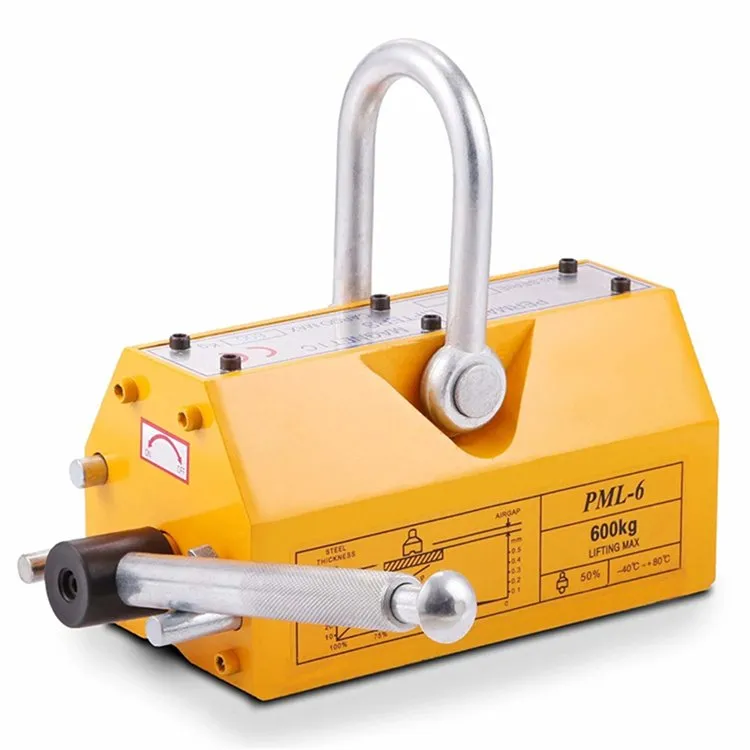
First off, let's talk about what a magnetic lifter is. It's a handy tool used for lifting and moving ferromagnetic materials like steel and iron. You'll often see them in factories, warehouses, and construction sites. They come in different types, like the Manual Permanent Magnet Lifter and Lifting Magnets For Cranes.
Now, the magnetic material is the heart and soul of a magnetic lifter. The type of magnetic material used can have a huge impact on its performance. There are mainly two types of magnetic materials used in magnetic lifters: permanent magnets and electromagnets.
Permanent Magnets
Permanent magnets are, well, permanent. They have a constant magnetic field without the need for an external power source. This makes them super convenient, especially in places where electricity might not be readily available or where you don't want the hassle of dealing with power cords.
One of the key factors in the performance of a permanent magnet lifter is the strength of the magnetic field. The stronger the magnetic field, the more weight the lifter can handle. For example, our 810230215 1000kg Permanent Magnetic Lifter is designed to lift up to 1000kg, thanks to the high - strength permanent magnets inside.
The quality of the permanent magnetic material also affects the stability of the magnetic field. High - quality magnetic materials can maintain their magnetic properties over a long period, even under harsh conditions. This means less wear and tear on the lifter, and you won't have to worry about sudden drops in lifting capacity.
Another advantage of permanent magnet lifters is their safety. Since they don't rely on electricity, there's no risk of power failure causing the load to drop. They're also relatively simple to operate, which makes them a popular choice for small - scale operations.
Electromagnets
On the other hand, electromagnets require an electrical current to generate a magnetic field. The big advantage of electromagnets is that you can control the strength of the magnetic field by adjusting the current. This gives you more flexibility in terms of the weight and size of the loads you can lift.
For example, in a large - scale industrial setting where you might need to lift different sizes of steel beams, an electromagnet - based magnetic lifter can be adjusted to handle the specific load at hand. You can turn the magnetic field on and off as needed, which is great for quickly loading and unloading materials.
However, electromagnets also have their drawbacks. They rely on a continuous power supply. If there's a power outage, the magnetic field disappears, and the load can fall. This means you need to have backup power systems in place, which can add to the cost and complexity of using electromagnets.

Impact on Lifting Capacity
The magnetic material directly affects the lifting capacity of a magnetic lifter. As I mentioned earlier, stronger magnetic fields can lift heavier loads. With permanent magnets, the lifting capacity is determined by the type and amount of magnetic material used. Some advanced permanent magnet lifters use rare - earth magnets, which have a very high magnetic strength. These lifters can handle much heavier loads compared to those using traditional ferrite magnets.
For electromagnets, the lifting capacity can be adjusted by changing the current. But there are limits to how much current you can apply, as too much can damage the coils and other components of the electromagnet. So, the design of the electromagnet and the quality of the electrical components also play a role in determining the maximum lifting capacity.
Impact on Efficiency
The choice of magnetic material can also impact the efficiency of a magnetic lifter. Permanent magnet lifters are generally more energy - efficient since they don't consume electricity during operation. This means lower operating costs in the long run, especially if you're using the lifter frequently.
Electromagnets, while offering more control, consume electricity as long as they're in use. This can lead to higher energy bills, especially for large - scale operations. However, in some cases, the added flexibility of electromagnets can offset the higher energy costs, as it allows for more efficient handling of different types of loads.
Impact on Durability
Durability is another important aspect of magnetic lifter performance. Permanent magnet lifters are often more durable because they have fewer moving parts and don't rely on electrical components that can wear out. High - quality permanent magnets can resist corrosion and mechanical stress, which means a longer lifespan for the lifter.
Electromagnets, on the other hand, have electrical coils that can overheat and burn out if used improperly. They also require regular maintenance to ensure that the electrical connections are secure and the coils are in good condition.
Conclusion
In conclusion, the magnetic material used in a magnetic lifter has a profound effect on its performance. Permanent magnets offer convenience, safety, and energy efficiency, while electromagnets provide flexibility and control. When choosing a magnetic lifter, you need to consider your specific needs, such as the weight and type of loads you'll be lifting, the availability of power, and your budget.
If you're in the market for a magnetic lifter and have any questions, feel free to reach out. We're here to help you find the perfect solution for your lifting needs. Whether you're looking for a Manual Permanent Magnet Lifter, Lifting Magnets For Cranes, or our 810230215 1000kg Permanent Magnetic Lifter, we've got you covered.
References
- "Magnetic Materials and Their Applications" - A standard textbook on magnetic materials.
- Industry reports on magnetic lifter technology and performance.