


Next is Rare Earths?
According to Reuters local time on July 6, Goldman Sachs said on the same day that China's export controls on rare earths have intensified people's concerns that rare earths may become the "next neck target", and pointed out that the West may need to invest more than $25 billion to match China's rare earth supply.
China's rare earth production accounts for 90% of global refining production, Goldman Sachs analysts pointed out in the report that due to the increase in China's mining quota, in the medium term, the rare earth market will be fully supplied, and the market is expected to have a surplus by 2027.
Neodymium-praseodymium mixed rare earths (NdPr) are rare earth magnets used in industries ranging from electrified transportation to the defense industry, and China's neodymium-praseodymium mixed rare earth production accounts for more than 70% of the global production and more than 90% of the downstream metals and magnet industry, increasing its production from about 34,000 tons in 2021 to about 50,000 tons this year, the report said. Goldman Sachs said it lowered its price forecast for neodymium-praseodymium mixed rare earths after China raised its production quota in the first half of 2023 by 20 percent, which led to a surplus in the market.
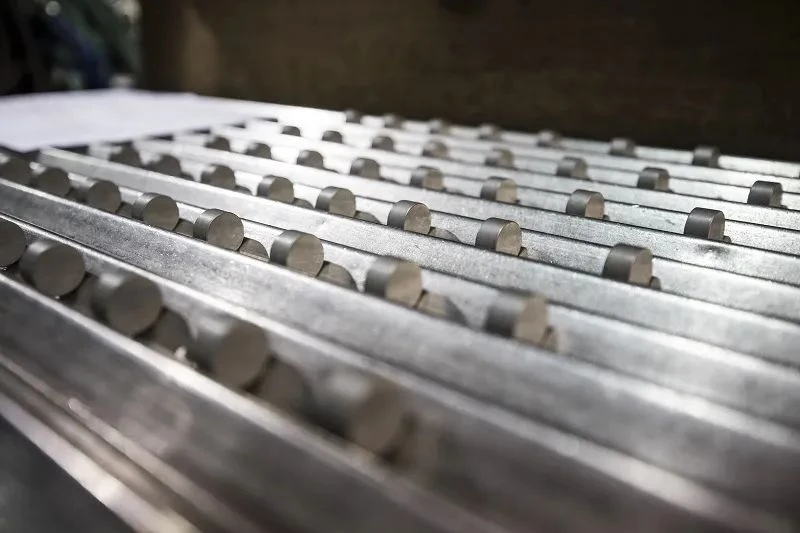
Neodymium-praseodymium mixed rare earths (NdPr) are rare earth magnets used in industries ranging from electrified transportation to the defense industry, and China's neodymium-praseodymium mixed rare earth production accounts for more than 70% of the global production and more than 90% of the downstream metals and magnet industry, increasing its production from about 34,000 tons in 2021 to about 50,000 tons this year, the report said. Goldman Sachs said it lowered its price forecast for neodymium-praseodymium mixed rare earths after China raised its production quota in the first half of 2023 by 20 percent, which led to a surplus in the market.
At the same time, Goldman Sachs expects demand for neodymium-praseodymium mixed rare earths to exceed supply from 2028 onwards, as the share of demand for new energy vehicles and wind turbines will double by 2030. The European Union has previously said that the demand for rare earth magnets in Europe is expected to increase 10-fold by 2050 as major automakers compete to increase the production of new energy vehicles and countries turn to wind energy.
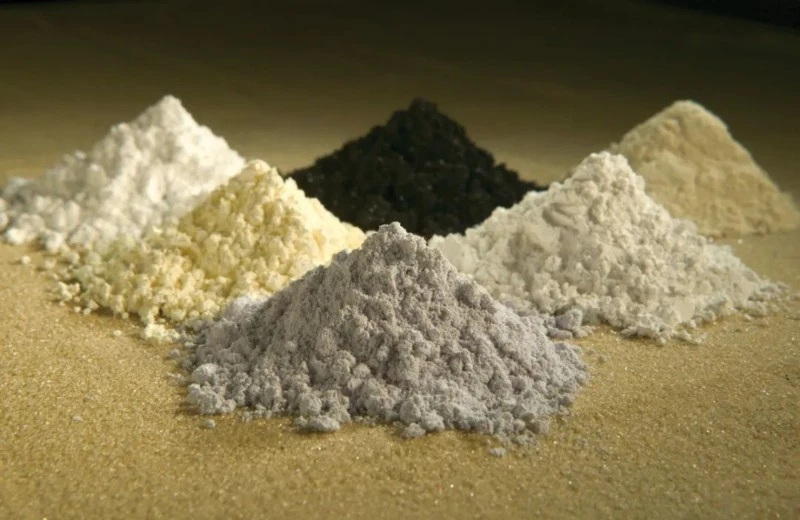
Outside China, there are more than 20 projects that can produce about 20,000 tons of neodymium-praseodymium-mixed rare earths a year, but Goldman Sachs believes that only two or three of them will actually start construction in the past decade. According to the data, China is the world's largest producer and exporter of rare earths and currently controls about ninety percent of the world's rare earth supply.
As a non-renewable scarce strategic resource, rare earth is a collective name for 17 metal elements, known as "industrial monosodium glutamate", because of its wide application in energy, military high-tech fields and has attracted much attention. A US congressional research report has revealed that US high-tech weapons rely heavily on rare earths, for example, an F-35 fighter requires 417 kilograms of rare earth materials, while a nuclear submarine uses more than 4 tons of rare earths. Therefore, it is crucial to make the purchase of rare earth materials in China.


