


QCM Magnet will have 3 days Mid-Autumn Festival Holiday from September 15th to 17th, resume work on September 18th, and make up the shift on September 14th. Please be aware of this and arrange your orders in advance so as not to affect your business.QCM Magnet is committed to be the world's leading supplier of magnetic components and excellent service provider, and will utilize its professional knowledge to provide partners with high-quality shuttering magnets(precast concrete magnet), magnet fishing, magnetic hooks, and magnetic separators. We are willing to work hand in hand with you to create tomorrow's brilliant.
At that time, the company will organize Bo Bing, which is a popular Mid-Autumn Festival activity in Fujian Minnan area. By rolling the dice to determine the ultimate king, the winner can get the corresponding prizes, QCM Magnet will also invite the visiting customers to participate in the game and feel the southern Fujian characteristics of the culture of Bo Bing. Let's enhance the distance between each other in the game atmosphere and leave good memories.
Customer Service
During the vacation period, if you have urgent matters, you can contact us through the following ways.
Phone: +8617859129339
Email: shirley.chen@debo-autokit.com
Mid-Autumn Festival Overview
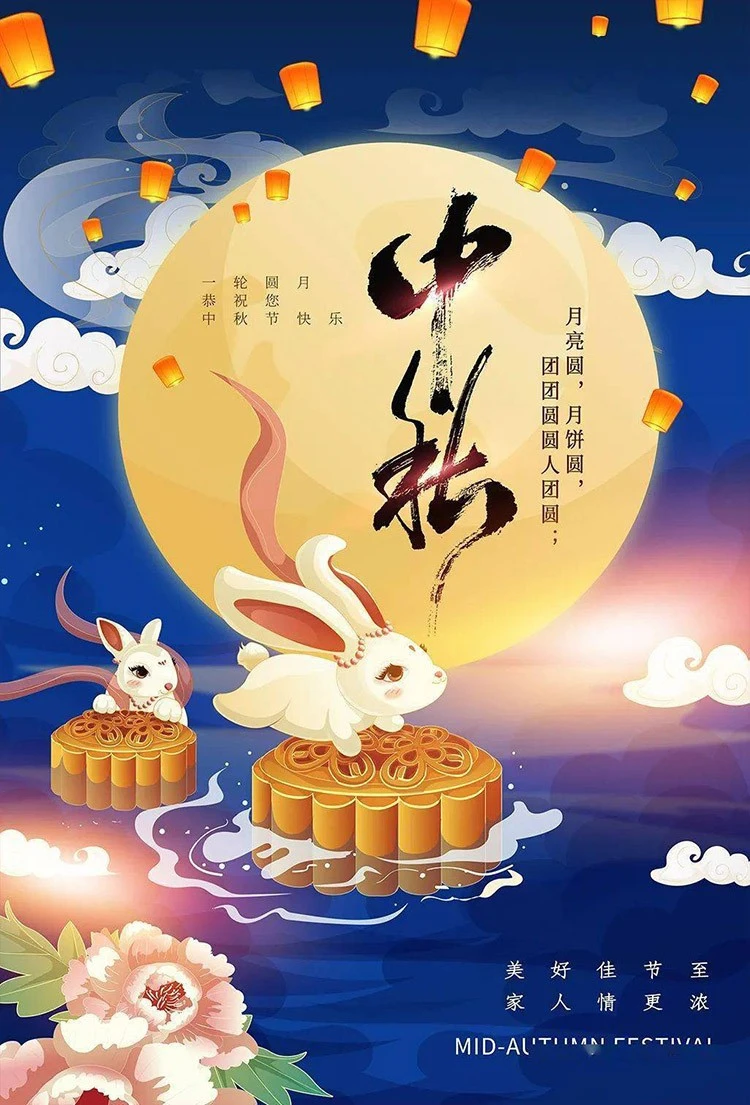
Mid-Autumn Festival, also known as Moon Festival, Autumn Festival, Mid-Autumn Festival, August Festival, August Meeting, Moon Chasing Festival, Moon Playing Festival, Moon Worshipping Festival, Daughter's Festival, or Reunion Festival, is a traditional cultural festival that is popular among many ethnic groups in China and countries in the Chinese character cultural circle and falls on the fifteenth day of the eighth month of the lunar calendar.
Mid-Autumn Festival
Origin of Mid-Autumn Festival
The Mid-Autumn Festival began in the early Tang Dynasty, flourished in the Song Dynasty, and became one of the Chinese traditional festivals along with the Spring Festival in the Ming and Qing Dynasties. According to historical records, the term "Mid-Autumn Festival" first appeared in the book "Zhou Li". During the Wei and Jin Dynasties, there was a record of "Oracle Shangshu Zhenniu confusing the Mid-Autumn Festival Eve with the left and right in a small dress on the river". It was not until the early Tang Dynasty that the Mid-Autumn Festival became a regular festival.
Legends of the Mid-Autumn Festival
There are many popular myths and legends about the Mid-Autumn Festival, such as.
1. Chang'e runs to the moon: according to legend, Hou Yi shoots down nine suns and gets the immortality medicine, which is stolen and eaten by his wife, Chang'e, and then rises to the moon palace and becomes immortal. 2. Wu Gang breaks the laurel: according to legend, Wu Gang breaks the laurel.
2. Wu Gang folds laurel: Legend has it that there is a laurel tree more than 500 feet high in the moon palace, and Wu Gang, who was deported to the moon palace, cuts down the tree every day but is unable to do so.
3. The Jade Rabbit pounding medicine: Legend has it that Chang'e picked up the white rabbit she was feeding when she ascended to the moon and became the Jade Rabbit of the Moon Palace, pounding the elixir of immortality every night.
Customs of the Mid-Autumn Festival
There are many traditional customs for the Mid-Autumn Festival, such as
- Appreciating the moon: On the fifteenth day of the eighth month of the lunar calendar, the moon is the fullest and brightest, so it has been a custom to appreciate the moon since ancient times.
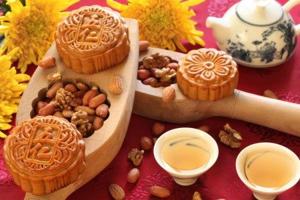
- Eating mooncakes: Mooncakes symbolize reunion and are a must for the Mid-Autumn Festival.
Eating mooncakes during the Mid-Autumn Festival
- Worshiping the moon god: In ancient times, the Mid-Autumn Festival was a festival to worship the moon god.
Symbols of the Mid-Autumn Festival
The Mid-Autumn Festival is rich in symbols, such as.
1. Reunion: the full moon symbolizes reunion, and people who live in other countries use it to send their thoughts to their relatives back home.
2. Harmony: the Mid-Autumn Festival looks forward to a good harvest and harmony, reflecting the core values of traditional Chinese culture.
3. Gratitude: The Mid-Autumn Festival was first a ritual to express people's respect and importance to nature and family.


