


Colored window magnetic sheets are quite familiar to everyone. They are excellent educational toys for children. So, what are the ways to play with them? Let's find out. QCM colored window magnetic sheets can be used for colour cognition in both simple and more complex ways.
Let's start with the simple ones:
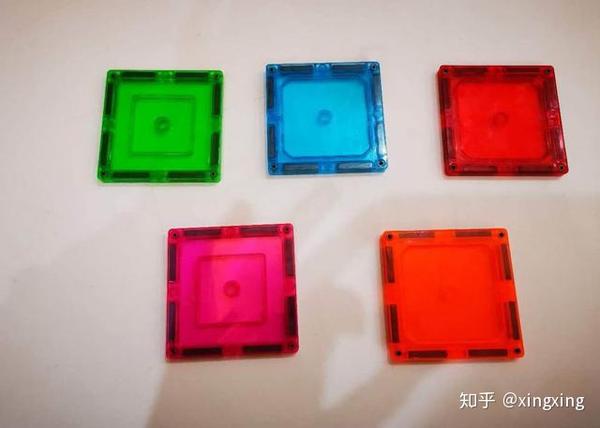
(1) Direct Color Observation
It's easy. You can let children directly name the colors or ask them to find a specific - colored magnetic sheet.
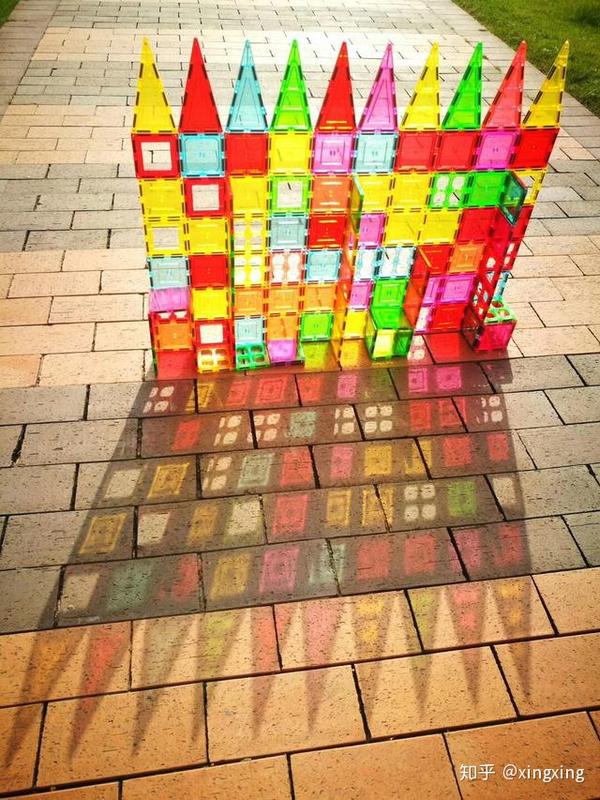
(2) Color Observation under the Sun
Observe the colours of the magnetic sheets when they are under sunlight. This can give children a different visual experience.
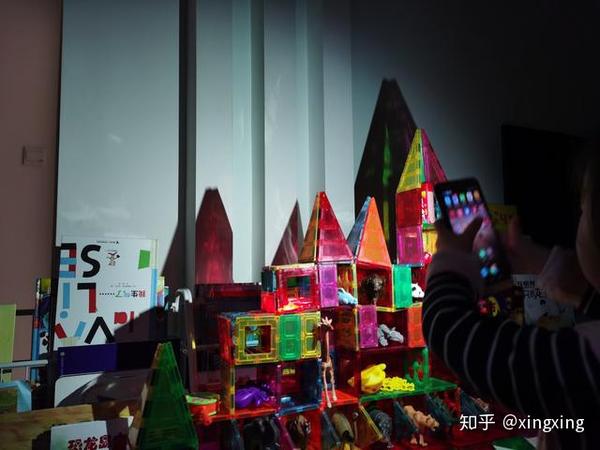
(3) Flashlight Projection Effect in the Dark
Turn off the lights and use a flashlight to project light through the magnetic sheets. I remember my kids being fascinated by this for a long time.
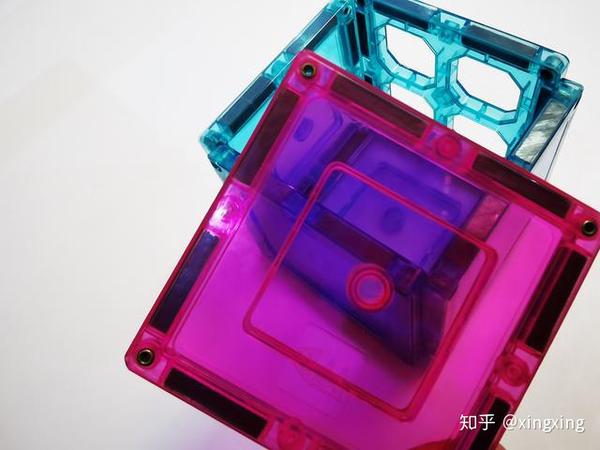
(4) Color-changing Effect of Different - colored Magnetic Sheets
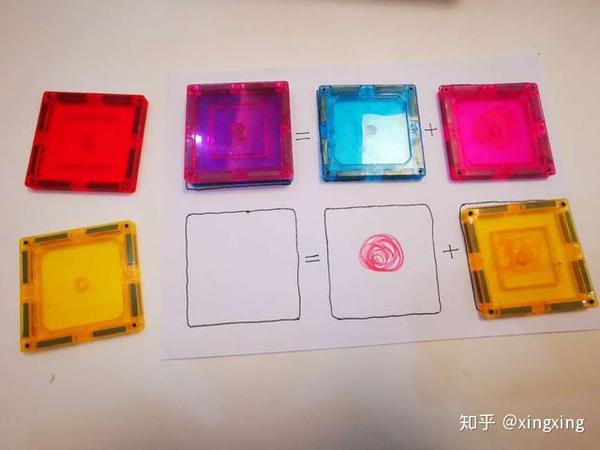
You can combine two magnetic sheets to see the color-changing effect. Or, paint colours on white paper with coloured watercolour pens and use the transparent feature of the coloured window magnetic sheets to play a game where two colours are superimposed to form a new colour.
(5) Adding Elements to Upgrade Difficulty
This helps exercise the baby's observation and language-expression abilities. For example, you can say, "Please help me find a square green magnetic sheet." Or "Please help me find a magnetic sheet of a different colour." You can also point to a magnetic sheet and let the child describe its characteristics. Simple as it may seem, children enjoy it. Mothers who are worried about their children's colour and shape cognition can give it a try.
(6) Color Classification Games
Shuffle the magnetic sheets and ask the children to do colour classification. Put the same-coloured ones together. To increase the difficulty, add shape requirements. The difficulty level can be adjusted according to the child's ability. For example, build a few small boxes with squares and categorize small triangles as leaves. To boost children's interest, you can create scenes. For instance, have a "cake-sharing" scene with animals. Let the children make a cake, cut it, and share it with the animals. You can add a coloured base for each small animal and tell the child that each animal likes to eat the cake of the same colour as its "house". Children will then happily participate in this activity.
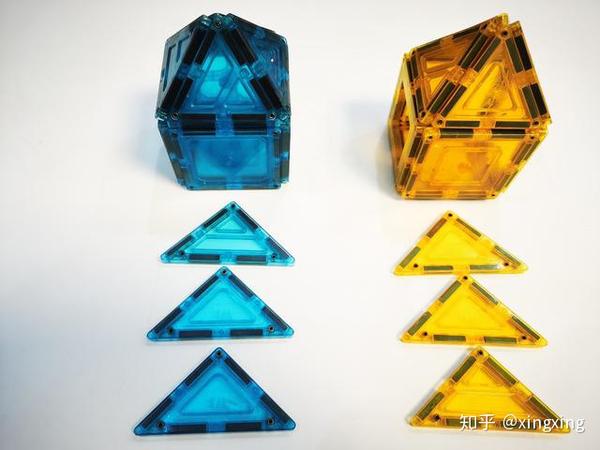
These are all about colour classification, but adding some scene-based elements can greatly increase children's interest.
Ok, Other ways to play with coloured window magnetic sheets will be updated regularly. Please stay tuned, and welcome friends interested in this topic to exchange ideas together.


