


Magnet hooks, once simple and utilitarian, have undergone significant technological innovation, driven by advancements in material science and design. In recent years, the use of neodymium magnets has become the cornerstone for enhancing the strength and versatility of magnetic hooks. Neodymium magnets, known for their superior magnetic force compared to traditional ferrite magnets, are increasingly incorporated into various consumer products, including magnet hooks used for industrial, domestic, and outdoor applications.
One key technological advancement is the improvement in weight-bearing capacity. Traditional magnet hooks could hold only a few pounds, but modern designs now handle upwards of 100 lbs., making them ideal for heavy-duty uses in both vertical and horizontal orientations. For example, high-end models, such as the Ant Mag Carabiner Magnetic Hook, feature a robust design that supports up to 440 lbs., reflecting a significant leap in holding power. This is particularly important in industries where secure hanging solutions are critical, such as construction, warehousing, and outdoor events.

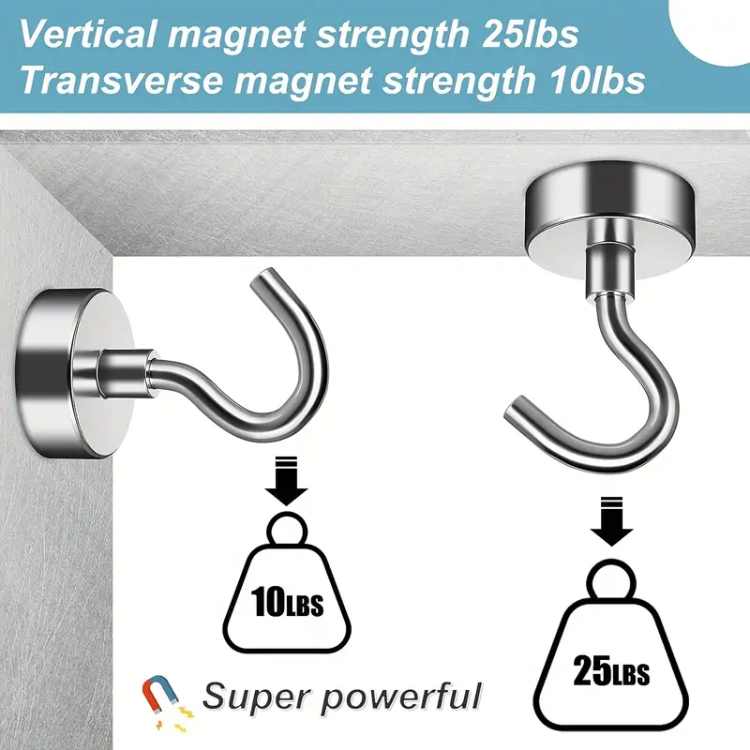
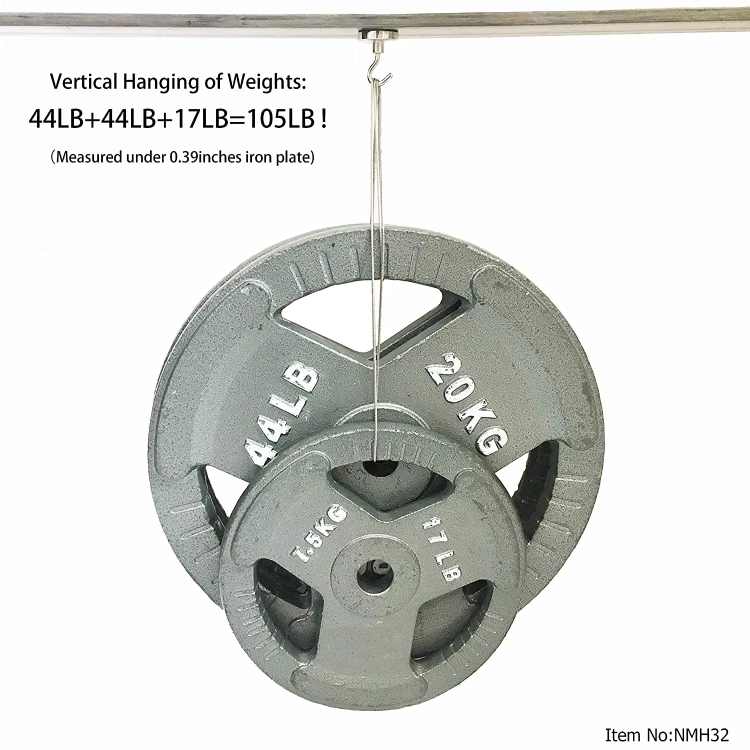
The innovation extends beyond raw strength. Magnetic hooks have also become more adaptable with the introduction of 360-degree swivel bases and 180-degree rotating hooks. This allows for greater flexibility when hanging objects, as users can adjust the orientation without sacrificing strength. Furthermore, the use of protective coatings like triple-layer nickel plating has enhanced durability, ensuring that the magnet hooks remain corrosion-resistant, even in harsh environments. The aesthetic appeal has also improved, with sleek finishes and multiple color options catering to diverse consumer preferences.
Looking forward, Xiamen Qianci Magnet Technology Co., Ltd. is exploring hybrid designs that combine magnetic strength with smart technologies. For instance, integrating sensors into magnetic hooks for load monitoring or automatic alerts when weight limits are exceeded could revolutionize safety protocols in industrial settings. Such innovations will likely drive the future of magnet hook applications, positioning them as indispensable tools in a growing array of industries.


