


Nowadays, lots of products are used in high-temperature environments. Think about electric motors, automobile engines, and aviation parts. These products often rely on magnets. That's why many product manufacturers opt for heat-resistant magnets when making purchases.
So, just how hot of an environment can a heat-resistant magnet handle? Qianci Magnet Manufacturers are here to share the details with you.
To figure out the working temperature of a heat-resistant magnet, we first need to know what types of heat-resistant magnets are out there. The commonly used ones include neodymium magnets, aluminum-nickel-cobalt magnets, samarium-cobalt magnets, and ferrite magnets. But each type has its temperature range for operation.
Neodymium magnets are known for their strong magnetic properties. They can work in environments up to 200 degrees Celsius. However, keep in mind that the strength of their magnetic field can be affected by the surrounding temperature. If it gets too hot, their magnetic performance might start to decline.
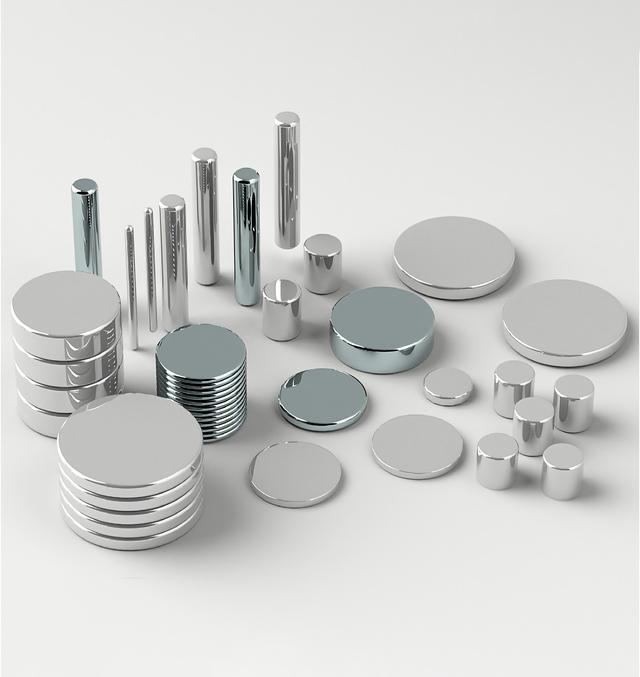
Aluminum - nickel - cobalt magnets are pretty tough. Their working temperature can reach up to 600 degrees Celsius! These magnets are made from an alloy of aluminum, nickel, cobalt, iron, and some other trace metals. One cool thing about them is that they're easy to machine, which means manufacturers can shape them into different forms more easily.
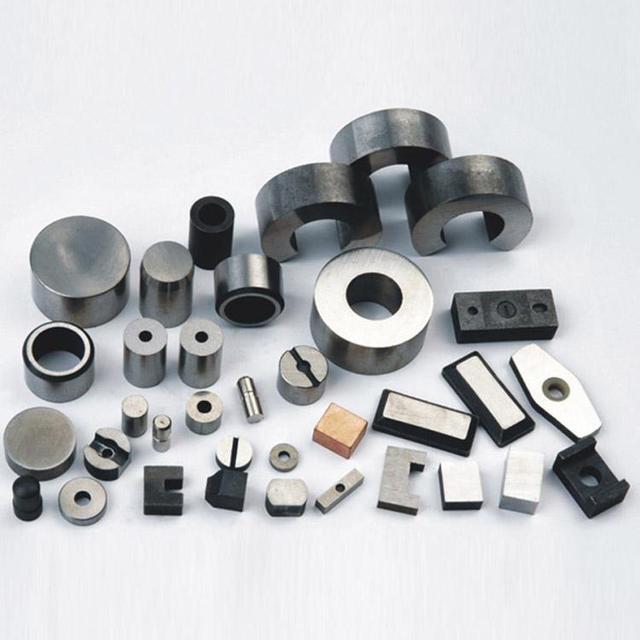
Samarium - cobalt magnets can operate in temperatures ranging from 250 to 350 degrees Celsius. But here's the catch: they're relatively expensive. Qianci Magnet Manufacturers think that in terms of commercial use, they're not as popular as neodymium-based heat-resistant magnets (NdFeb). This is probably because businesses often consider both performance and cost, and NdFeb magnets might offer a better balance for many applications.
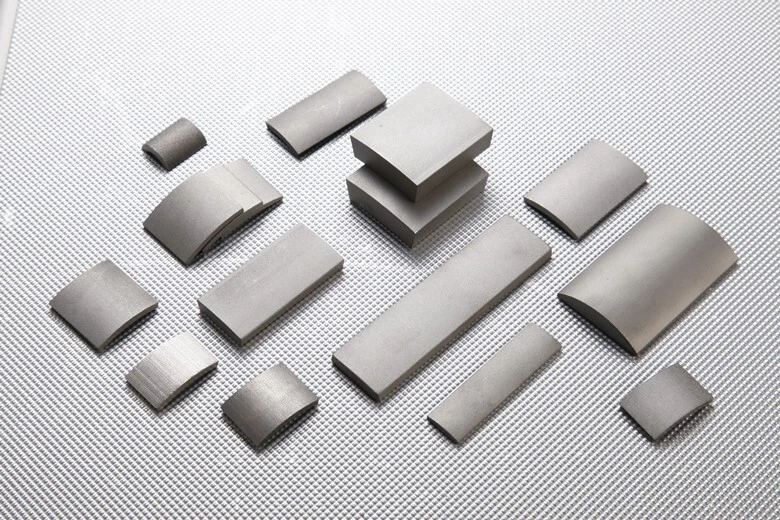
Ferrite magnets can work at temperatures up to 250 degrees Celsius. They're a more budget-friendly option as their cost is relatively low. However, they're not as hard as some other magnets. Because of this, a lot of people still prefer NdFeb heat-resistant magnets for their overall performance and durability.
That's all about the temperature limits of heat-resistant magnets, as shared by Qianci Magnet Manufacturers. Hope this helps you all make more informed decisions when dealing with magnets in high-temperature scenarios!


