


Magnet fishing has surged in popularity as a hybrid of environmental activism and adventure-seeking. Unlike traditional angling, this hobby swaps bait and hooks for powerful magnets, offering a unique way to explore waterways while unearthing hidden relics. Let's dive into the essentials of this growing trend.
What Is Magnet Fishing?
Magnet fishing involves tossing a high-strength magnet into bodies of water to retrieve submerged metal objects. Enthusiasts comb rivers, lakes, and canals for everything from discarded tools to historical artifacts. While the hobby began as a practical solution for recovering lost items, it's evolved into a thrilling pursuit with environmental and historical rewards.
Essential Gear for Beginners
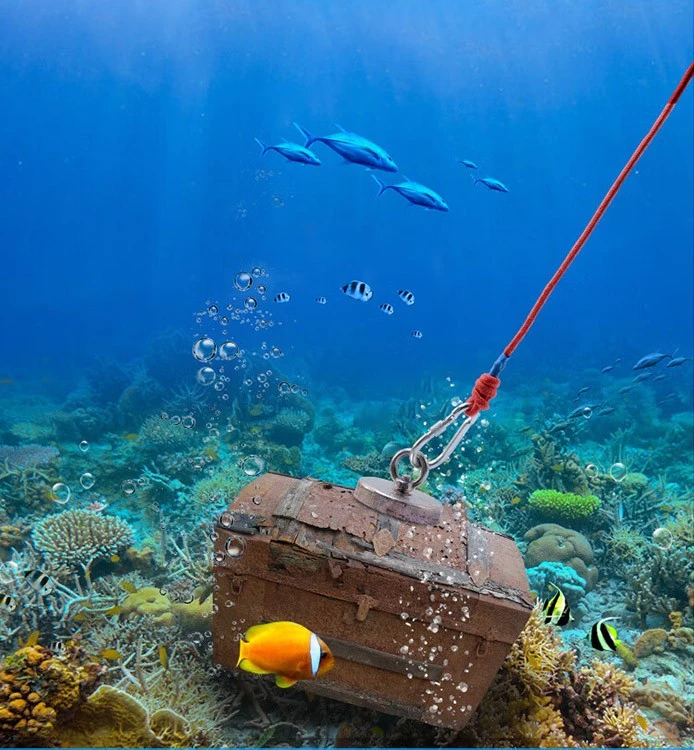
Neodymium Magnets :
Opt for a minimum 500 lb pull force magnet for versatility. Single-sided magnets provide stronger grips for heavy objects, while double-sided versions excel at scanning riverbeds.
Pro Tip: Store magnets in polystyrene-lined containers to prevent accidental attachments to metal surfaces.
Rope:
Use 25–50 feet of synthetic rope (e.g., nylon) for durability. Pre-treat it to reduce water absorption and tangling.
Safety Gloves:
Protect hands from sharp edges with cut-resistant work gloves.
Grappling Hook:
A collapsible hook aids in retrieving large or awkward items near the surface.
Top Spots for Success
Bridges & Piers: High foot traffic areas often yield lost jewelry, tools, and bicycles.
Historical Sites: Old docks, battlefields, or industrial zones may hide artifacts like weapons or antique machinery.
River Confluences: Debris accumulates where currents meet, increasing chances of unusual finds.
Caution: Always research local laws. For example, South Carolina bans magnet fishing, while Indiana requires permits.
Safety First: Hidden Risks
Sharp Objects: Gloves are non-negotiable. Consider a tetanus booster if rusty metal is common in your area.
Unexploded Ordnance: WWII-era grenades or munitions still lurk in European waters. If found, mark the location and alert authorities immediately.
Pro Tips for Maximum Finds
Sweep Method: Drag the magnet slowly along the bottom in a zigzag pattern to cover more ground.
Knot Mastery: Secure your magnet with a Palomar or Figure-8 knot to avoid losing it mid-cast.
Community Insights: Join online forums like r/magnetfishing or Facebook groups to share finds and scout hotspots.
Why Try Magnet Fishing?
Eco Impact: Remove hundreds of pounds of scrap metal annually, improving water quality and wildlife habitats.
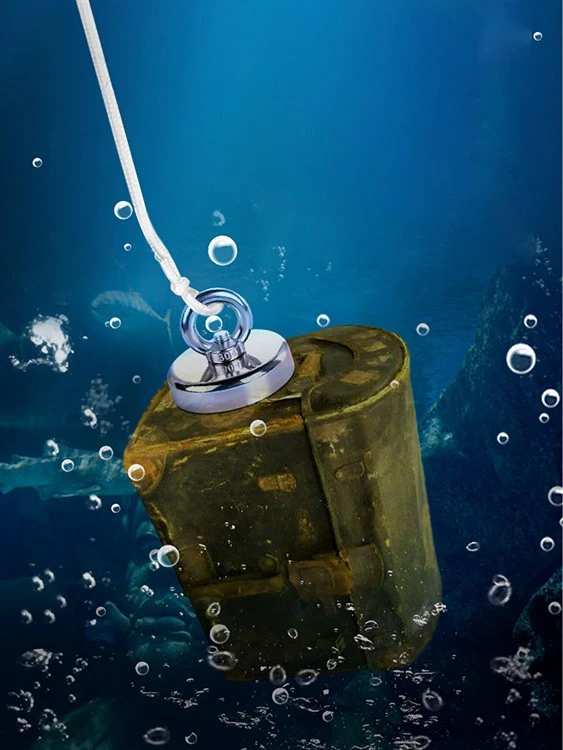
Thrill of Discovery: Uncover anything from vintage coins to sunken safes-each cast holds mystery.
Low Barrier to Entry: A basic kit costs under $100, making it accessible to all ages.
Common and Valuable Finds
Cash and Safes: In 2024, a New York couple retrieved a submerged safe containing $100,000 from a lake using a neodymium magnet. While water damage often renders cash unusable, such discoveries highlight the thrill of the hunt.
Jewelry and Watches: Rings, necklaces, and even luxury watches are occasionally found, though these items may require cleaning or restoration.
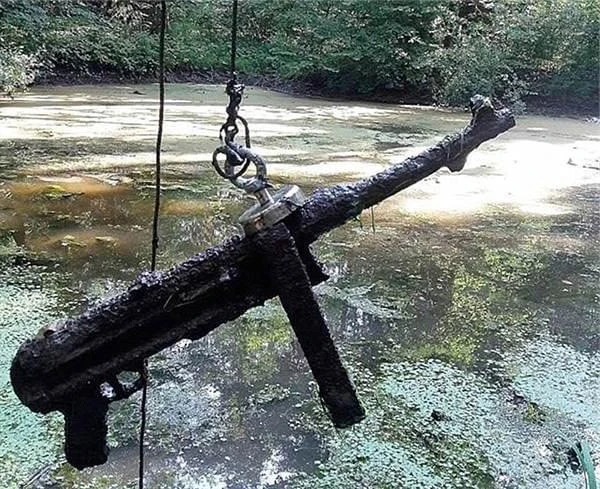
Historical Artifacts: Old tools, weapons (e.g., swords, rifles), and relics from wars or industrial eras are common in historically significant waterways.
Dangerous Items:
Weapons: Firearms, grenades, and unexploded ordnance are frequently reported. For example, one magnet fisher found a WWII-era bomb in a European river.
Stolen Goods: Bicycles, safes, and even ATMs have been recovered, often linked to crimes.
Final Thought: Magnet fishing blends history, ecology, and adventure into one addictive hobby. Whether you're cleaning up local waterways or chasing the rush of a rare find, this modern treasure hunt offers endless surprises.


