


The Science Behind Permanent Magnet Stability
Neodymium magnets (NdFeB) - the strongest permanent magnets available - are used in everything from electric car motors to smartphone speakers. But a common concern lingers: Do these super-strong magnets lose their power over time? While they're designed to last decades, certain conditions can degrade their performance. Let's explore why and how this happens, backed by physics and real-world data.
How Neodymium Magnets Work: A Quick Primer
Neodymium magnets are made from an alloy of neodymium, iron, and boron. Their strength comes from a crystalline structure that aligns atomic magnetic moments (tiny "north-south" orientations) in a single direction. This alignment creates a powerful external magnetic field.
Key properties:
● Maximum Energy Product (BHmax): Measures magnetic strength (up to 52 MGOe for N52-grade magnets).
● Coercivity: Resistance to demagnetization (measured in kOe).
● Curie Temperature: The point where magnets lose magnetism entirely (typically 310–400°C/590–752°F).
5 Factors That Cause Neodymium Magnets to Weaken
1. Temperature Exposure
The heat disrupts the atomic alignment in neodymium magnets. Even below the Curie temperature, sustained heat causes gradual irreversible losses:
Standard grades (N42): Lose ~0.12% strength per °C above 80°C (176°F).
High-temperature grades (N42H): Withstand up to 120°C (248°F) with <1% annual loss.
2023 research: Coatings like nickel-platinum can reduce thermal decay by 30% in industrial applications.
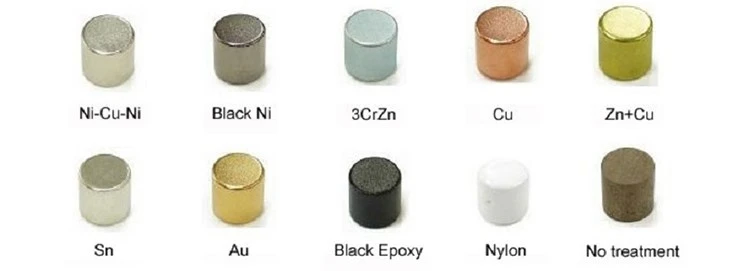
2. Corrosion
Neodymium magnets rust easily when exposed to moisture or chemicals. Corrosion eats into the magnet's structure, creating "dead zones" with zero magnetism.
Uncoated magnets: Lose 5–10% strength in humid environments within 1 year.
Epoxy-coated magnets: Show <2% loss over 5 years in dry conditions.
3. Physical Damage
Dropping or machining neodymium magnets can fracture their brittle structure. Cracks misalign magnetic domains, reducing overall field strength.
Case study: A 2022 test showed that a 2 mm crack in a 10 mm magnet caused a 7% flux density drop.
4. Opposing Magnetic Fields
Exposing neodymium magnets to strong reverse fields (e.g., from another magnet or electric coil) can partially demagnetize them. The effect depends on:
Field strength: ≥80% of the magnet's coercivity will cause losses.
Duration: Longer exposure = greater demagnetization.
5. Time (Aging)
All permanent magnets experience aging loss, but neodymium fares better than most:
Initial aging: ~1–2% loss in the first 10 years (stable environment).
Long-term: Total loss rarely exceeds 3–5% over 50 years.
How to Prevent Strength Loss: Industrial Solutions
1. Choose the Right Grade
|
Grade |
Max Temp |
Coercivity |
Best For |
|
N35 |
80°C |
12 kOe |
Consumer electronics |
|
N42SH |
150°C |
17 kOe |
Automotive motors |
|
N38EH |
200°C |
20 kOe |
Aerospace systems |
High-coercivity grades (H, SH, UH) resist demagnetization better.
2. Advanced Coatings
Nickel-copper-nickel (Ni-Cu-Ni): Standard for moisture resistance.
Gold-ion plating: Used in medical devices (zero corrosion).
Parylene: Thin polymer layer for chemical-heavy environments.
3. Demagnetization Shields
In motors or generators, soft iron keepers redirect magnetic flux, reducing reverse field exposure.
When Should You Worry About Strength Loss?
Neodymium magnets are highly stable if:
Stored at room temperature (<40°C/104°F)
Protected from humidity (RH <60%)
Not subjected to mechanical stress
Red flags for industrial users:
Motors running hotter than 80°C
Saltwater exposure (e.g., marine equipment)
Vibration-prone applications (compressors, turbines)
Testing Magnet Strength: Simple Methods
Pull Force Test: Measure the weight required to detach the magnet from steel.
Gauss Meter: Quantifies surface flux density (baseline: 1,200–1,500 Gauss for N42).
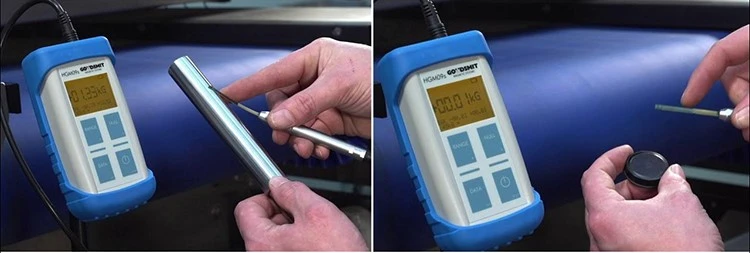
Comparator Magnet: Compare attraction strength to a new magnet.
Key Takeaways for Engineers & Buyers
1. Neodymium magnets DO lose strength under heat, corrosion, or physical damage - but losses are minimal with proper handling.
2 . High-temperature grades (e.g., N30EH) outperform standard grades in harsh conditions.
3 . Protective coatings are non-negotiable for outdoor or industrial use.
4 . Annual strength tests prevent surprises in critical systems like wind turbines or MRI machines.
Final Note
Advancements in sintering techniques and dysprosium doping (2020–2023 studies) have improved neodymium magnet stability by up to 15%. For B2B buyers, partnering with suppliers who use vacuum sintering and ISO-certified corrosion testing ensures long-term reliability.
Pro Tip: Store spare magnets in closed containers with silica gel packs. Avoid stacking them directly - use cardboard spacers to prevent chipping!
Need neodymium magnets that retain 99%+ strength over a decade? Opt for grades with "H" or "SH" suffixes and triple-layer epoxy coatings - your best bet for robotics, renewable energy, and precision manufacturing.


