


Why Cleaning Matters More Than You Think
Magnetic separators are workhorses in industries ranging from food processing to mining. When neglected, trapped ferrous debris reduces magnetic efficiency by up to 40% (Field et al., 2023). Proper cleaning:
• Maximizes product purity by preventing recontamination
• Extends service life by reducing abrasive wear on magnetic surfaces
• Avoids costly downtime – 78% of separator failures stem from improper maintenance (Industrial Maintenance Report, 2024)
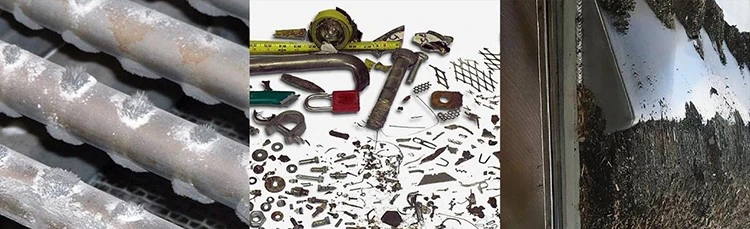
Step 1: Safety First
⚠️ Critical precautions often overlooked:
1.Lockout/Tagout the system – 30% of industrial accidents occur during unplanned restarts (OSHA)
2.Use heat-resistant gloves if cleaning hot separators (common in food/polymer processing)
3.Never use compressed air – drives fine particles into bearings and electronics
Step 2: Match Tools to Your Separator Type
|
Separator Type |
Cleaning Tools |
Pro Tip |
|
Magnetic bars/tubes |
Neoprene squeegee, silicone scraper |
For sticky residues, pre-treat with food-grade mineral oil (safe for FDA-regulated environments) |
|
Drum separators |
Nylon-bristle brush, ceramic blade |
Clean in rotation direction to prevent belt misalignment |
|
Grid separators |
Ultrasonic cleaner (for <2mm gaps) |
Use demineralized water to prevent mineral deposits |
Step 3: The 4-Phase Cleaning Protocol
Phase 1 – Dry Removal
• Scrape bulk debris with non-magnetic tools (copper/aluminium)
• Threshold: Clear when buildup exceeds 3mm (prevents magnetic shielding)
Phase 2 – Wet Cleaning
• Food/pharma grade: 70°C water + 3% citric acid solution (removes organics without corrosion)
• Heavy industry: Alkaline degreaser (pH 9.2–10.5), applied with cellulose sponges
Phase 3 – Drying
• Compressed nitrogen blow-off (zero moisture)
• A final wipe with low-lint TX1009 wipes (meets ISO Class 5 cleanroom standards)
Phase 4 – Performance Check
• Test with NIST-traceable ferrous particles of known sizes (e.g., 50µm SS430 shavings)
• Document capture rate – <95% efficiency signals needed maintenance
Common Mistakes That Void Warranties
🚫 Using steel wool or wire brushes (scratches protective SUS316L coating)
🚫 Exceeding 80°C water on neodymium-based magnets (causes irreversible flux loss)
🚫 Storing wet separators – leads to galvanic corrosion at weld joints
Advanced Maintenance Schedule
|
Usage Level |
Cleaning Frequency |
Deep Clean Interval |
|
Light (<5 tons/day) |
Every 72 operating hours |
Quarterly |
|
Moderate (5–20 tons/day) |
Every 24 hours |
6 weeks |
|
Heavy (>20 tons/day) |
Per 8-hour shift |
3 weeks |
Data source: MPI Magnet Safety Standards 2024
When to Call a Professional
• Visible pitting/corrosion on stainless steel surfaces
• Magnetic strength drops below 90% of rated Gauss (test with calibrated gaussmeter)
• Unusual vibrations/noises – may indicate bearing failure from embedded debris
The Bottom Line
Proper separator cleaning isn't just maintenance – it's quality control. By adopting these industry-proven methods, plant operators report:
• 22% longer mean time between failures (MTBF)
• 15% reduction in product recalls
• ROI up to 300% from extended component life
For FDA/EU compliance documentation templates, visit the Global Magnetic Safety Consortium's toolkit at www.gmsc.org/cleaning-protocols


