


Magnetic balls, often called "Buckyballs" or "nanodots," aren't just desk toys-they're portable creativity boosters. These tiny, magnetized spheres can transform into intricate 3D art, geometric puzzles, and stress relief tools. But how do you go from fumbling with a handful of magnets to crafting jaw-dropping designs? Let's dive in.
Why Magnetic Balls?
Beyond their addictive "click," these toys sharpen spatial reasoning, patience, and problem-solving-skills that translate to math, coding, and art. A 2022 Stanford study even linked magnetic toy play to improved teen focus. But first, safety: Always supervise younger siblings (magnets are choking hazards), and avoid swallowing (serious medical risks!).
Starter Kit Essentials
• 216+ balls: A 216-piece set (e.g., Zen Magnets) offers versatility without overwhelm.
• Flat workspace: A wooden desk or silicone mat prevents accidental rolls.
• Tweezers (optional): For precision in tight designs.
Beginner Projects: From Zero to Geometry Hero
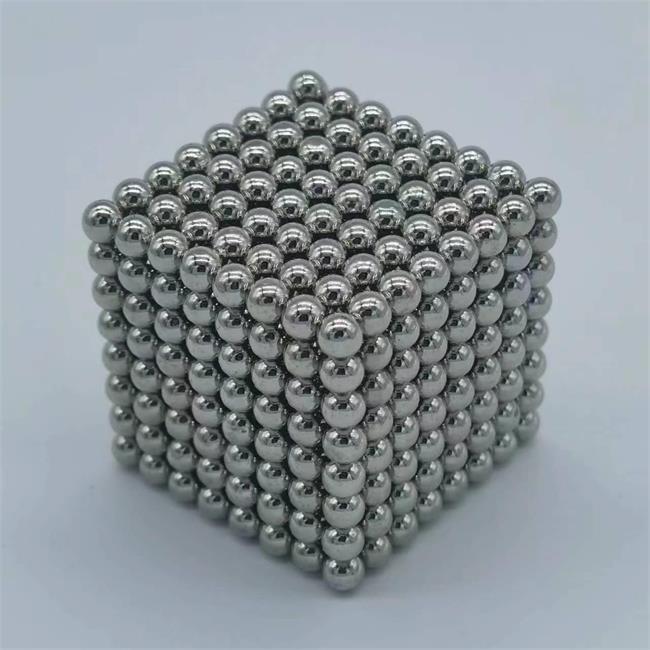
1. The Classic Cube
Why start here? Cubes teach foundational stacking and polarity management.
Step-by-Step:
• Layer 1: Arrange nine balls in a 3x3 grid. Magnets will "snap" into place.
• Layer 2: Offset the next layer slightly to lock the structure (like LEGO bricks).
• Pro Tip: Rotate the cube while building-if magnets repel, flip the layer.
Real Talk: My first cube collapsed 3 times. Solution? Work slower and align polarity consistently.
2. Snowflakes Made Simple
Why it works: Radial symmetry hides mistakes.
• Start small: Create a 6-pointed star (1 ball at center, six arms of 2 balls each).
• Expand: Add "branches" by attaching 2-ball clusters to each arm tip.
Case Study: At a STEM fair, I watched a 14-year-old turn a basic snowflake into a 3D chandelier by stacking three layers vertically.

Intermediate Challenges: Level Up Your Game
3. The Deceptive Sphere
Looks simple? It's a trap. Spheres demand patience.
Hack: Build two domed hemispheres separately, then merge them. Use a ping-pong ball as a mould for perfect curvature.
4. Kinetic Sculptures
• Chain Reaction: Assemble a zig-zag chain, then flick one end-watch the "wave" travel!
• Spin Art: Create a flat spiral, balance it on a pen tip, and blow gently for a mesmerizing spin.
Pro Tips from a Magnet Veteran
1. Fix Collapses Gracefully
When your 200-ball dragon crumbles:
• Isolate the damaged section instead of disassembling everything.
• Use tweezers to reattach lost "scales."
2. Theme Nights
Host a "Magnetic Olympics":
• Speed Cube: Who can build a cube fastest? (My record: 23 seconds!).
• Blindfold Build: Trust your tactile sense to create abstract art.
3. Learn from Failure
My "Eiffel Tower" once resembled a melted candle. Solution? Sketch your design first and count the required balls per layer.
Beyond the Box: Real-World Applications
• Math Class: Visualize tetrahedrons, dodecahedrons, or Fibonacci spirals.
• Stress Relief: Twist a worry ball during exams-the tactile feedback calms nerves.
• Art Portfolios: Snap photos of your builds; colleges love creative hobbies!
Your Turn: What Will You Create?
Magnetic balls are more than toys-they're a sandbox for innovation. Start simple, embrace the frustration (yes, pieces will stick to your laptop), and surprise yourself.


