


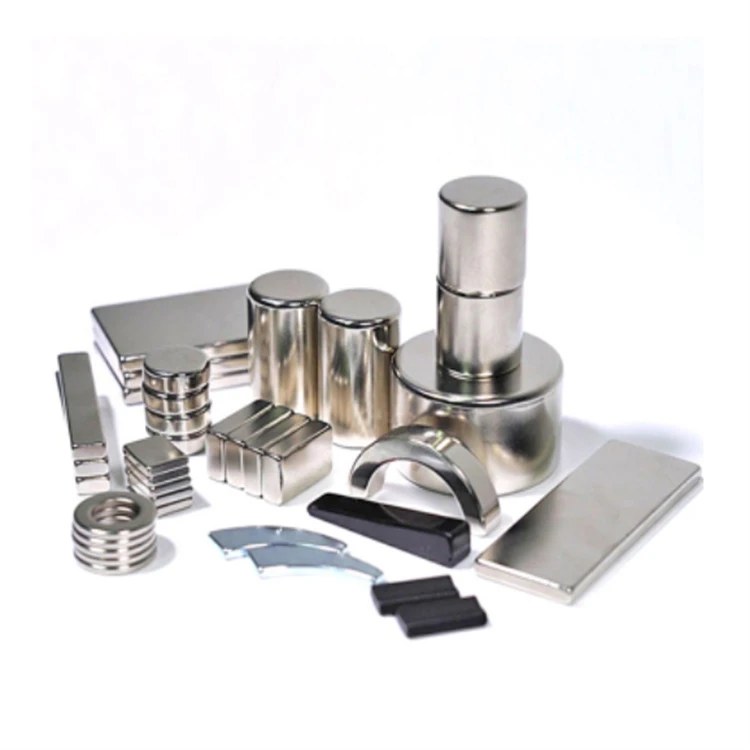
So, you know magnets? Those things that stick to your fridge or make your headphones work? Turns out, they're way cooler (and more varied) than you might realise. Let's break down the main types of magnets in plain English-no PhD required!
Permanent vs. Temporary Magnets
First off, magnets fall into two big categories:
1. Permanent Magnets: These guys stay magnetic forever (or close to it). Think fridge magnets or the ones in your phone's speaker.
2. Temporary Magnets: These only act magnetic under certain conditions. For example, an electromagnet-like the ones in junkyard cranes need electricity to work. Cut the power and poof, no magnetism!
Shapes Matter Too!
Magnets come in all shapes and sizes, each designed for specific jobs:
• Blocks (like fridge magnets),
• Discs (used in speakers),
• Rings (think magnetic phone mounts),
• Rods (for science experiments),
• Custom shapes (like the curved ones inside your electric toothbrush).
Fun fact: The shape affects how the magnetic field works. A long rod magnet, for example, can pick up paper clips from farther away than a flat disc!
Meet the "Big Four" Permanent Magnets
Not all permanent magnets are created equal. Here are the rockstars of the magnet world:
1. Neodymium Magnets (The Superheroes)
• What's cool? They're the strongest permanent magnets you can buy. Like, 10x stronger than those basic fridge magnets!
• Uses: Wireless earbuds, electric car motors, and even MRI machines.
• Downsides: Rust easily (they need a nickel or zinc coating) and lose strength if heated above 175–200°C (so don't throw them in a campfire!).
Example: That "magic" floating globe on your desk? Probably powered by a hidden neodymium magnet.
2. Ferrite Magnets (The Everyday Heroes)
• What's cool? Cheap, durable, and everywhere. Your fridge door seal? Yep, ferrite magnets.
• Uses: Cheap speakers, refrigerator seals, and kid's toys.
• Downsides: Not super strong and brittle (snap if you drop them).
Fun fact: They're made from iron oxide and either barium or strontium-basically, fancy ceramics!
3. Alnico Magnets (The Old-School Legends)
• What's cool? Made of aluminium, nickel, and cobalt. They can handle insane heat (up to 600°C!) and were the go-to before neodymium came along.
• Uses: Guitar pickups, sensors in cars, and even old-school doorbells.
• Downsides: Weak compared to neodymium and expensive to make.
Example: That vintage radio your grandpa has? Its speakers probably use Alnico magnets.
4. Samarium Cobalt (SmCo) Magnets (The Niche Pros)
• What's cool? Almost as strong as neodymium but works in extreme heat (up to 300°C!).
• Uses: Aerospace tech, high-end motors, and medical devices.
• Downsides: Crazy expensive because they're made with rare samarium and cobalt.
Example: The drill used in deep-sea oil rigs? SmCo magnets likely help power it.
How to Pick the Right Magnet?
• Need raw strength? Go neodymium.
• On a budget? Ferrite's your buddy.
• Working in a hot oven or rocket? SmCo or Alnico.
Final Thought
Magnets are everywhere once you start looking! From the tiny ones in your AirPods case to the massive ones in wind turbines, they're quietly shaping our world. Next time you stick a photo to your fridge, give a little nod to the humble ferrite magnet doing the heavy lifting. 😊


