


Hey, buddy! Let's talk about magnetic filters. You know how important our heating systems are, especially during those freezing cold months. But a lot of us don't take good care of them. I remember my neighbour, he never paid attention to his heating system maintenance. One day, the heating just stopped working, and it turned out the pipes were all clogged with rust. He had to spend a fortune on repairs!
Now, a great solution to this problem is installing a magnetic filter. You might be wondering, "Is it really worth it?" Well, let's dig in.
First, what exactly is a magnetic filter? It's like a little superhero for your heating system. It uses a magnetic field to catch all those yucky ferrous debris like iron oxide and magnetite in the circulating water. These impurities are usually from corrosion and rust in the heating system, and they can cause all sorts of trouble, like blocking the pipes or damaging the boiler.
I installed a magnetic filter in my own heating system last year. It was actually a breeze. Let me tell you the steps.
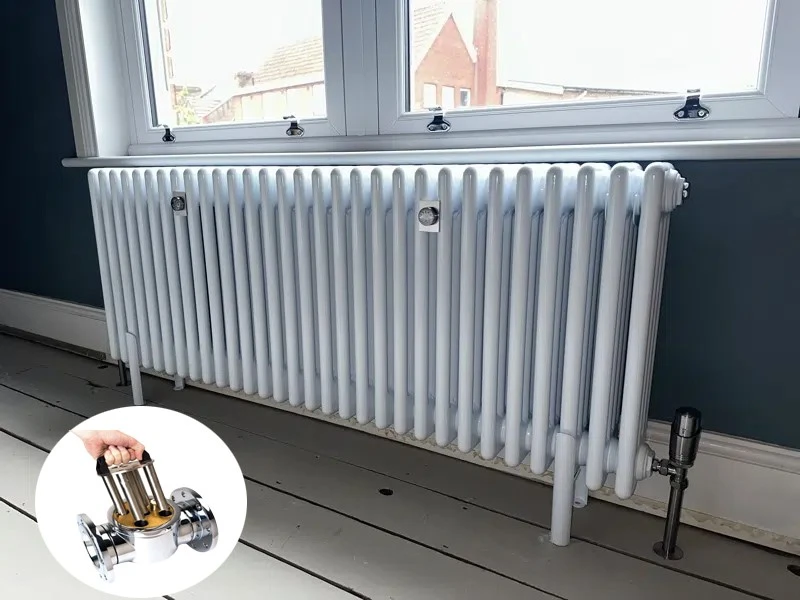
1. First, shut down the heating system. Turn off the power and close the water inlet and outlet valves. When I did this, I was so careful because I didn't want to get a shock or have hot water spraying everywhere. Just like when you're changing a light bulb, you make sure the power is off, right?
○ Important thing to note: Make super sure the power's off and the valves are fully closed. And after closing the valves, wait a bit. You don't want to open the pipes when there's still pressure in there. It's like opening a shaken-up soda can!
2. Then, pick a good place to install it. Usually, near the boiler is the best. I found a flat spot that was easy to reach. You don't want to install it in a place that's hard to get to, like behind a huge piece of furniture.
○ Heads-up: Stay away from heat sources, fire-related stuff, and wet areas. You don't want your filter to get cooked or rusty before it even starts working! And leave some space around it for future cleaning.
3. Next, clean the ends of the pipes where you'll attach the filter. I used a small wire brush to get rid of all the dirt and rust. It was like scrubbing the dirty dishes!
○ Watch out: Don't scrub too hard and damage the pipes. And after you're done, wipe them clean with a cloth.
4. Now, connect the filter. There are different types of connections. Mine had compression fittings. I slid the olive and nut onto the pipe, then pushed the pipe into the filter fitting and tightened the nut. It was a bit like building a small Lego set.
○ Pro-tip: For compression fittings, make sure the olive ring is in the right place. If it's not, it can leak like a sieve. And don't tighten the nut too much or too little. For push-fit connections, just push the pipe in straight and make sure you hear that click. Then give it a little tug to check.
5. After it's connected, check the connections. Look at them closely to see if everything's secure. I gently pulled on the pipes to make sure they were firmly attached.
○ Remember: Check for any gaps or if the pipes look a bit wonky. But don't pull too hard, or you might undo all your hard work!
6. Slowly open the water valves to fill the system. When I did this, I kept a close eye on the filter connections for any leaks.
○ Warning: Open the valves really slowly. You don't want a sudden rush of water to damage the filter or the pipes. And if you see a leak, close the valves right away and fix it.
7. Finally, once there are no leaks and the system's full of water, turn on the power and start the heating system.
○ Last thing: Before you start it, double-check everything one more time. And after it starts, listen for any strange noises. If something sounds off, stop it right away.
Have the above installation steps answered your questions? I still recommend that you find a professional technician to install it.
Now, let me tell you the awesome benefits of having a magnetic filter. It's like having a magic wand for your heating system!
1. It makes your heating system way more efficient. Just like a well-tuned car engine, it runs better. After I installed the filter, my heating bills went down. It's like getting free money!
2. It can make your heating system last a lot longer. Think of it as giving your heating system a long-life potion. Those impurities can really mess up your pipes and boiler, but the filter stops them in their tracks.
3. It reduces the chances of your heating system breaking down. You don't want to be left in the cold during winter, right? The filter keeps the pipes clean, so your system doesn't have to work so hard.
4. It even improves the water quality in your home. Cleaner water means a healthier home. It's like having a water-purifying fairy in your heating system.
5. And it's good for the environment! By making your heating system more efficient, you use less energy. We're all in this together to save the planet, right?
But of course, there are a couple of downsides. They can be a bit pricey to buy and install. I had to save up a bit for it. And you need to clean it every now and then to keep it working well. Also, not all heating systems are compatible with magnetic filters. Before you buy one, it's a good idea to ask an expert.
So, is it worth fitting a magnetic filter? In my opinion, it's a no-brainer! The pros far outweigh the cons. It's an investment that pays off in the long run. If you're still not sure, just talk to a heating expert. They'll give you the best advice. Trust me, once you have a magnetic filter, you'll wonder how you ever lived without it!


