


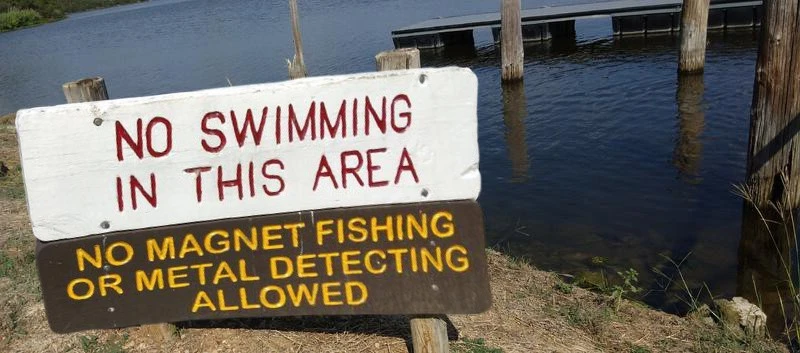
Magnet fishing is generally legal in the United States, except in South Carolina. Here is a state-by-state breakdown of the laws related to magnet fishing. However, please note that the legal clauses added below are merely excerpts from relevant information and do not represent legal advice. They are for reference only. Always consult local legal authorities or a professional lawyer for accurate and up-to-date legal guidance.
Alabama: There are no specific laws prohibiting magnet fishing. General rules regarding trespassing and removing property from waterways must be followed. It is prohibited to remove historical artifacts over 100 years old from state waters.
Alaska: Permitted in public waterways. Artifacts predating European settlement are protected under state law.
Arizona: Allowed with permission on private property. "Antiquities" refers to artifacts over 75 years old related to Native American history.
Arkansas: Legal unless expressly prohibited. Historic artifacts are defined as those predating the 1803 Louisiana Purchase.
California: Allowed in navigable public waterways. Unlawful to remove artifacts of any age from state waters.
Colorado: Must avoid trespassing on private property. Archaeology refers to artifacts over 200 years old.
Connecticut: Allowed in public waterways. Historic artifacts are defined as those predating 1783.
Delaware: No specific magnet fishing laws. The state follows federal definitions regarding historic archaeological finds.
Florida: Allowed in navigable state waters. Historic artifacts are defined as those over 50 years old.
Georgia: No laws prohibiting magnet fishing in public waterways. The state protects artifacts predating European colonization.
Hawaii: Generally allowed in public areas. Historic artifacts are defined as those predating 1778.
Idaho: Permitted in public waterways. Unlawful to remove "antiquities" from public lands.
Illinois: Allowed except where prohibited by local laws. There are restrictions on removing artifacts from rivers and lakes.
Indiana: Permitted in public waterways. Historic artifacts over 50 years old are protected.
Iowa: Allowed except where expressly prohibited. The state prohibits removing undefined "cultural artifacts".
Kansas: Allowed except where prohibited. The state protects archaeological sites from disturbance.
Kentucky: No magnet fishing laws. The state broadly protects pre-modern archaeological artifacts.
Louisiana: Generally allowed in public waterways. Artifacts over 100 years old are protected.
Maine: Permitted in great ponds and navigable rivers. The state follows federal definitions for archaeological finds.
Maryland: Allowed in public waterways. Unlawful to remove historic artifacts from state waters.
Massachusetts: Permission is required for magnet fishing in inland waterways. The state protects archaeological artifacts over 100 years old.
Michigan: Allowed except where expressly prohibited. The state protects artifacts over 100 years old.
Minnesota: Allowed except in protected areas. The state defines archaeology as objects over 50 years old.
Mississippi: No magnet fishing laws. The state prohibits removing artifacts from public waters.
Missouri: No magnet fishing laws. The state defines historic artifacts as those over 100 years old.
Montana: Allowed with restrictions in certain waterways. Protects archaeological finds over 100 years old.
Nebraska: Permitted in most public waterways.
Nevada: Legal, but permission is needed before going on private property.
New Hampshire: Legal, but permission is needed before going on private property.
New Jersey: Legal, but permission is needed before going on private property.
New Mexico: Legal, but permission is needed before going on private property.
New York: Legal, but permission is needed before going on private property.
North Carolina: Legal, but permission is needed before going on private property.
North Dakota: Legal, but permission is needed before going on private property.
Ohio: Legal, but permission is needed before going on private property.
Oklahoma: Legal, but permission is needed before going on private property.
Oregon: Legal, but permission is needed before going on private property.
Pennsylvania: Legal, but permission is needed before going on private property.
Rhode Island: Legal, but permission is needed before going on private property.
South Carolina: Magnet fishing is illegal due to a law that prohibits the removal of artifacts from waterways.
South Dakota: Legal, but permission is needed before going on private property.
Tennessee: Laws may vary. Some restrictions may apply regarding artifacts and private property.
Texas: Generally legal, but may have restrictions on certain water bodies or private property.
Utah: Legal, but permission may be required on private property and there are likely restrictions on removing artifacts.
Vermont: Legal in public waterways, but permission is needed on private property and there may be regulations regarding artifacts.
Virginia: Allowed in some public waterways, but permission is needed on private property and there are restrictions on removing historical artifacts.
Washington: Legal, but may have regulations about where to fish and what to do with the finds.
West Virginia: Legal, but should comply with general laws on trespassing and property rights.
Wisconsin: Legal, but there may be local regulations and restrictions on artifacts.
Wyoming: Legal in most public waterways, but permission is needed on private property.


