


Magnets are essential components in many industries, from electronics to heavy machinery. They are generally classified into electromagnets and permanent magnets, each with distinct properties and applications. Understanding their differences can help in selecting the right type for specific needs.
1. What Is an Electromagnet?
Definition
An electromagnet is a type of magnet that generates a magnetic field only when electric current flows through it. It consists of a coil of wire wound around a core (usually made of iron or other ferromagnetic materials).
Key Characteristics
Magnetic field is temporary – only exists when powered by electricity
Can be turned on and off by controlling the current
Magnetic strength can be adjusted by changing the current or number of coil turns
Requires a continuous power supply to maintain magnetism
Applications
Electromagnets are widely used in:
Electric motors and generators
Magnetic lifting equipment (e.g., cranes for scrap metal)
MRI machines in medical imaging
Electromagnetic relays and solenoids
Hard disk drives and magnetic levitation trains
2. What Is a Permanent Magnet?
Definition
A permanent magnet is a magnet that retains its magnetism without the need for an external power source. It is made from materials such as neodymium (NdFeB), samarium cobalt (SmCo), ferrite, and alnico, which naturally maintain their magnetic properties.
Key Characteristics
Always magnetic – does not require electricity
Cannot be turned off or adjusted
Retains magnetism for a long time unless exposed to heat, strong external magnetic fields, or physical damage
Typically stronger at smaller sizes compared to electromagnets
Applications
Permanent magnets are commonly used in:
Speakers and microphones
Refrigerator door seals
Magnetic separators for industrial purification
Wind turbines and hybrid vehicle motors
Magnetic clasps in jewelry and accessories
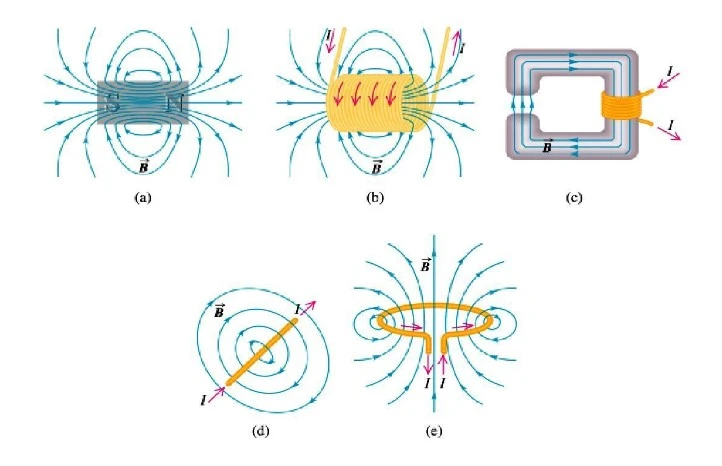
3. Key Differences Between Electromagnets and Permanent Magnets
| Feature | Electromagnet | Permanent Magnet |
|---|---|---|
| Magnetic Field | Only exists when powered | Always present |
| Power Requirement | Requires continuous electricity | No power needed |
| Magnetic Strength | Can be adjusted by changing the current | Fixed strength |
| Switchability | Can be turned on/off | Always active |
| Material | Typically iron core wrapped with wire | Made from rare earth materials, ferrite, or alnico |
| Usage | Dynamic applications (motors, lifting devices) | Static applications (sensors, holding devices) |
4. Which Magnet to Choose?
Choose an electromagnet if you need adjustable magnetism, remote control, or temporary activation (e.g., lifting systems, solenoids).
Choose a permanent magnet if you need constant magnetism without energy consumption (e.g., motors, consumer electronics).
At QCM, we provide high-quality permanent magnets for various industrial applications. Contact us to find the right magnet for your needs!


