


Magnets have a wide range of applications across various industries and everyday life. They are essential components in many technologies due to their unique ability to create magnetic fields that interact with materials, electrical currents, and other magnetic fields. Here are some of the most common uses of magnets:
1. Electronics and Electrical Devices
Motors: Magnets are critical in the functioning of electric motors, including those in fans, refrigerators, power tools, and electric vehicles. Permanent magnets are used in DC motors and brushless motors.
Generators: Magnets are used in electric generators to convert mechanical energy into electrical energy. They are essential in renewable energy sources like wind and hydroelectric power.
Speakers and Headphones: Magnets are used in speakers to convert electrical signals into sound. They are also found in headphones and microphones for similar purposes.
Hard Drives: In computers, magnetic storage technology is used in hard disk drives (HDDs), where magnets control the writing and reading of data.
2. Medical Applications
MRI Machines: Magnetic Resonance Imaging (MRI) uses powerful magnets to create detailed images of the inside of the body, crucial for diagnosing and monitoring various medical conditions.
Magnetic Therapy: Some alternative health practices use magnetic therapy, where magnets are applied to specific body areas to promote healing, reduce pain, or improve blood circulation.
Pacemakers: Magnets are also used in pacemakers to regulate heartbeats by creating a controlled magnetic field.
3. Industrial Applications
Magnetic Lifting Devices: Magnets are used in lifting and moving heavy metal objects, such as in factories, warehouses, and scrapyards where magnetic cranes lift steel and iron products.
Magnetic Separators: Used in the mining and recycling industries, magnetic separators help remove unwanted magnetic materials from other substances (e.g., metal contaminants from grain or plastics).
Magnetic Sweepers: These are used to remove metal debris from factory floors or construction sites.
4. Household Uses
Refrigerator Magnets: Magnetic strips or small magnets are commonly used on refrigerators to hold notes, photos, or reminders.
Magnetic Knife Holders: Magnetic knife racks are widely used in kitchens to store knives safely and conveniently.
Magnetic Closures: Magnets are used in clothing, bags, and wallets as closures, making it easy to open and close without buttons or zippers.
5. Transportation and Vehicles
Electric Vehicles (EVs): Magnets are essential components in the motors of electric vehicles, contributing to their movement and efficiency.
Magnetic Levitation Trains (Maglev): Maglev trains use magnets for levitation and propulsion, reducing friction and allowing for high-speed travel.
Alternators: Magnets are used in alternators in cars to generate electricity to power the electrical systems.
6. Science and Research
Particle Accelerators: Magnets are used to control and guide the path of charged particles in particle accelerators, essential tools for research in physics.
Magnetic Fields in Research: Scientists use magnets in laboratories to study magnetic properties of materials, magnetic resonance, and other phenomena in physics and chemistry.
7. Security and Alarms
Magnetic Locks: Used in security systems for doors and gates, magnetic locks provide a secure, keyless entry method.
Magnetic Sensors: These sensors are often used in security systems, such as for door or window alarms. They detect the presence of a magnet and trigger an alarm if the magnet is moved.
8. Education and Toys
Magnetic Toys: Magnets are commonly used in toys like building blocks, puzzles, and magnets for educational kits to teach children about magnetism and help develop problem-solving skills.
Interactive Whiteboards: Magnetic markers and magnetic accessories are used with interactive whiteboards in classrooms for teaching.
9. Magnetic Therapy and Health
Magnetic Bracelets: Some people use magnetic bracelets and wearables to relieve joint pain and improve circulation, although the scientific evidence for effectiveness is still debated.
Magnetic Insoles: These insoles are designed to stimulate certain pressure points on the feet, promoting blood flow and reducing foot fatigue.
10. Hobby and DIY Projects
Crafts and Art: Magnets are commonly used in craft projects, where they can be applied for a variety of purposes, such as magnetic jewelry, picture frames, and magnetic sculptures.
Magnetic Assemblies: Magnets are used to create custom magnetic assemblies for DIY enthusiasts, including magnetic tool holders, magnets for magnetic boards, and storage solutions.
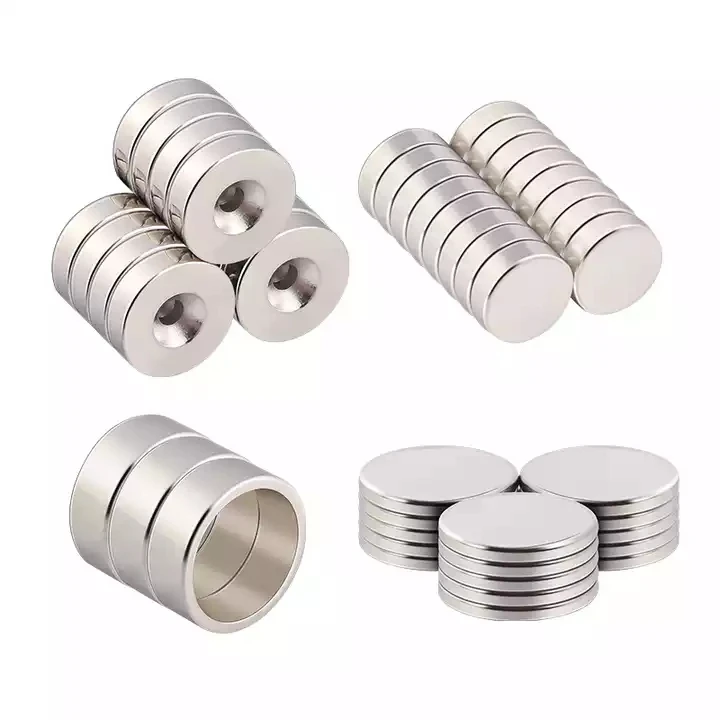
Magnets are incredibly versatile and used in a wide range of applications, from industrial and scientific fields to everyday household items. Their ability to attract and repel metal objects, generate electric fields, and create efficient energy systems makes them indispensable across many sectors. Whether in medical devices, transportation, security systems, or entertainment, magnets play an essential role in modern life.


