


Magnets play a crucial role in modern industries, from consumer electronics to heavy machinery. Among the most commonly used magnets are Neodymium Magnets and Ferrite Magnets, each offering distinct properties and advantages. This article will explore the characteristics, differences, and applications of these two types of magnets, helping you understand which one suits your needs.
What Are Neodymium Magnets?
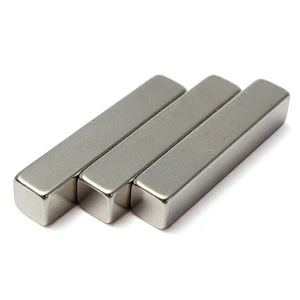
Neodymium magnets, also known as NdFeB magnets, are rare earth magnets made from an alloy of neodymium (Nd), iron (Fe), and boron (B). They are the strongest type of permanent magnets available today and are widely used in industries that require high magnetic strength in a compact size.
Key Features of Neodymium Magnets:
High Magnetic Strength:
Neodymium magnets boast the highest magnetic energy product (BHmax), making them exceptionally strong.
Compact and Lightweight:
Due to their strength, smaller neodymium magnets can replace larger, weaker magnets in many applications.
Customizable Shapes and Sizes:
These magnets can be manufactured into various shapes, such as discs, blocks, rings, and custom designs.
Corrosion Resistance:
Neodymium magnets are often coated with nickel, zinc, or epoxy to protect against rust and corrosion.
Applications of Neodymium Magnets:
Consumer Electronics: Used in smartphones, headphones, and speakers.
Automotive Industry: Essential for electric vehicle (EV) motors and sensors.
Renewable Energy: Found in wind turbines and solar tracking systems.
Medical Equipment: Used in MRI machines and medical devices.
What Are Ferrite Magnets?
Ferrite magnets, also known as ceramic magnets, are made from a combination of iron oxide and ceramic materials. They are cost-effective, durable, and widely available, making them suitable for numerous applications.
Key Features of Ferrite Magnets:
Affordable and Abundant:
Ferrite magnets are inexpensive and made from readily available materials, making them a cost-effective solution for many industries.
Corrosion-Resistant:
These magnets are naturally resistant to rust, making them suitable for outdoor and humid environments.
Moderate Strength:
While not as strong as neodymium magnets, ferrite magnets offer sufficient magnetic force for various uses.
Temperature Resistance:
Ferrite magnets perform well in high-temperature environments, maintaining their magnetic properties.
Applications of Ferrite Magnets:
Loudspeakers: Used in audio equipment for their magnetic properties.
Motors and Generators: Found in industrial machinery and appliances.
Magnetic Tools: Commonly used in magnetic strips, boards, and separators.
Toys and Crafts: Utilized in educational and creative projects due to their affordability.
Key Differences Between Neodymium and Ferrite Magnets
| Feature | Neodymium Magnets | Ferrite Magnets |
|---|---|---|
| Material | Rare earth alloy (NdFeB) | Ceramic material (iron oxide + ceramic) |
| Magnetic Strength | Very high (up to 52 MGOe) | Moderate (3-5 MGOe) |
| Temperature Resistance | Limited (up to 200°C for standard grades) | Excellent (up to 250°C or higher) |
| Corrosion Resistance | Requires coating for protection | Naturally corrosion-resistant |
| Cost | Expensive | Affordable |
| Durability | Brittle, requires careful handling | Durable and robust |
| Applications | High-tech industries, renewable energy, EVs | Household items, industrial motors, toys |
How to Choose Between Neodymium and Ferrite Magnets?
The choice between neodymium and ferrite magnets depends on your specific application requirements:
Choose Neodymium Magnets if:
You need high magnetic strength.
Space is limited, and compact size is critical.
You are working with high-performance applications, such as EVs or renewable energy.
Choose Ferrite Magnets if:
Cost is a significant factor.
The application requires exposure to outdoor or humid conditions.
You need magnets for general-purpose use, such as motors or magnetic tools.
Why Choose QCM for Your Magnet Needs?
At QCM, we specialize in the production and supply of both neodymium and ferrite magnets, tailored to meet the diverse needs of our customers. With advanced manufacturing facilities, stringent quality control, and a team of experienced engineers, we deliver high-quality magnets for various industries. Whether you need a customized solution or standard products, QCM is your trusted partner for magnetic components.
Conclusion
Both neodymium magnets and ferrite magnets have unique properties that make them indispensable in different applications. While neodymium magnets are known for their unparalleled strength, ferrite magnets excel in cost-effectiveness and durability. By understanding the features and applications of each type, you can make an informed choice to suit your project. For high-quality magnets and expert guidance, contact QCM today!


