


Magnetic sweepers are indispensable tools in various industries, designed to efficiently collect and remove ferrous metal debris from surfaces, ensuring safety and maintaining clean environments. Here are some key facts about magnetic sweepers:
Functions of Magnetic Sweepers
Debris Collection: Magnetic sweepers primarily collect metallic debris such as nails, screws, metal shavings, staples, and other small metal objects. The powerful magnets attract these materials, preventing them from causing accidents or damage.
Safety Enhancement: By picking up metal debris, magnetic sweepers reduce the risk of injuries and accidents caused by sharp objects, creating a safer environment in industrial settings, construction sites, and areas prone to metal contamination.
Damage Prevention: They prevent damage to equipment, machinery, and tires caused by metallic debris. Magnetic sweepers can be attached to vehicles or operated manually to ensure thorough cleaning of a designated area.
Types of Magnetic Sweepers
Hand-Held Magnetic Sweepers: These are lightweight and portable devices that can be easily maneuvered by hand. They are suitable for small-scale applications and areas where manual control is preferred.
Tow-Behind Magnetic Sweepers: These sweepers are attached to vehicles such as forklifts, tractors, or trucks and are pulled along the ground. They are suitable for larger areas like parking lots, runways, or construction sites.
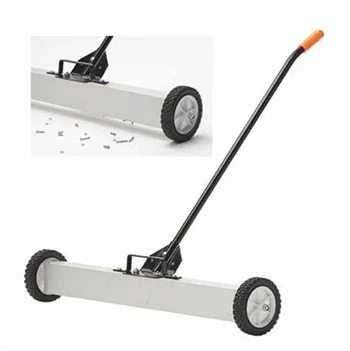
Magnetic Push Brooms: Similar to traditional brooms, these sweepers are pushed manually across surfaces to collect metal debris effectively. They are commonly used in garages, workshops, or areas with limited space.
Magnetic Rollers or Cylinders: These sweepers consist of rotating magnetic cylinders that attract and collect metallic debris. They are commonly used on conveyor belts, production lines, or areas with continuous metal contamination.
How Magnetic Sweepers Work
Magnetic Attraction Mechanism: Magnetic sweepers are equipped with powerful magnets, usually neodymium magnets, strategically embedded within a sturdy housing to create a strong magnetic field. This field extends under and around the sweeper, enabling it to attract and hold onto ferrous metal objects such as nails, screws, and fine metal filings.
Release Mechanism: Most magnetic sweepers come with a release mechanism to make it easy to dispose of the collected debris. Some models have a lever or handle that, when activated, moves the magnetic field away from the collected metal object or lifts the magnetic housing, reducing the magnetic force and allowing the debris to be easily released into a designated disposal area.
Advantages of Magnetic Sweepers
Efficient and Time-Saving: Magnetic sweepers offer quick and efficient debris collection, covering large areas in a shorter time compared to manual cleaning methods.
Cost-Effective: By reducing the need for manual labor and minimizing damage caused by metal fragments, magnetic sweepers provide cost-effective cleaning solutions, saving on maintenance and repair costs.
Versatility: Magnetic sweepers are versatile tools that can be used on various surfaces, including concrete, asphalt, tile, grass, or gravel. They are suitable for both indoor and outdoor applications.
Easy to Use: Magnetic sweepers are user-friendly and require minimal training. They can be operated by anyone, eliminating the need for specialized skills or expertise.
Applications of Magnetic Sweepers
Industrial Warehouses: Magnetic sweepers are commonly used in large industrial warehouses where metal debris can accumulate on floors from daily operations. They simplify the process of floor maintenance by magnetically attracting and collecting ferrous materials in a single pass.
Construction Sites: Construction sites are often littered with nails, metal shavings, and other debris that can pose safety risks to workers or damage vehicles and equipment. Magnetic sweepers are rugged enough to handle the tough conditions of outdoor sites, ensuring that all hazardous materials are efficiently cleared away.
Coolant Systems and Dip Tanks: In industries where liquids are involved, specialized solutions like Mag-Maid and Dip Tank Magnets are used to capture metal particles in liquids, preventing contamination and extending the life of equipment.
Safety Standards and Regulations
Magnetic sweepers must adhere to industry standards and safety regulations to ensure their safe and effective use. These standards often specify maximum weight limits and operational guidelines to prevent accidents and ensure the reliability of the equipment.
In conclusion, magnetic sweepers are essential tools for maintaining a clean and safe environment in various industrial and commercial settings. Their ability to efficiently collect metal debris, enhance safety, and prevent equipment damage makes them a valuable addition to any workspace. Understanding the different types and functions of magnetic sweepers can help you choose the right tool for your specific needs.


