


Magnets are an essential part of modern technology and are used in various industries and daily life applications. Their unique ability to attract and repel materials makes them valuable in multiple fields. Below are some of the most common practical uses of magnets.
1. Electronics and Electrical Devices
🔹 Speakers and Microphones – Magnets convert electrical signals into sound waves in speakers and vice versa in microphones.
🔹 Hard Drives and Storage – Magnetic fields are used to store digital data on hard drives.
🔹 Electric Motors and Generators – Many motors and generators rely on magnets to convert electrical energy into mechanical energy.
2. Industrial and Manufacturing Applications
🔹 Magnetic Lifting and Separation – Heavy-duty magnets are used to lift steel and iron materials in factories.
🔹 Magnetic Sorting – Separates ferrous metals from other materials in recycling plants and food processing industries.
🔹 Metal Detection – Used in quality control to detect metal contaminants in products.
3. Medical and Healthcare Uses
🔹 MRI Scanners – Magnetic Resonance Imaging (MRI) uses strong magnets to create detailed images of internal organs.
🔹 Magnetic Therapy – Some alternative treatments use magnets for pain relief and improved blood circulation.
🔹 Hearing Aids – Magnets help secure hearing devices and improve their functionality.
4. Home and Everyday Applications
🔹 Refrigerator Magnets – Used for decoration and holding notes or reminders.
🔹 Magnetic Closures – Found in handbags, cabinets, and mobile phone cases for secure closing.
🔹 Magnetic Screwdrivers – Useful for holding screws in place when assembling furniture or fixing appliances.
5. Transportation and Aerospace
🔹 Magnetic Levitation (Maglev) Trains – Uses strong magnets to lift and propel trains at high speeds with minimal friction.
🔹 Electric Vehicle (EV) Motors – Magnets are crucial in energy-efficient electric car motors.
🔹 Aircraft Navigation Systems – Magnetic sensors help with positioning and direction control.
6. Science and Education
🔹 Magnet Experiments – Used in schools and universities for physics demonstrations.
🔹 Compasses – Help in navigation by aligning with Earth's magnetic field.
🔹 Magnetic Chalkboard Accessories – Used for organizing notes and lessons.
7. Security and Defense
🔹 Magnetic Locks – Used in high-security doors, safes, and lockers.
🔹 Surveillance and Sensor Systems – Magnetic sensors help detect motion and monitor access points.
🔹 Anti-Theft Devices – Found in retail stores to prevent shoplifting.
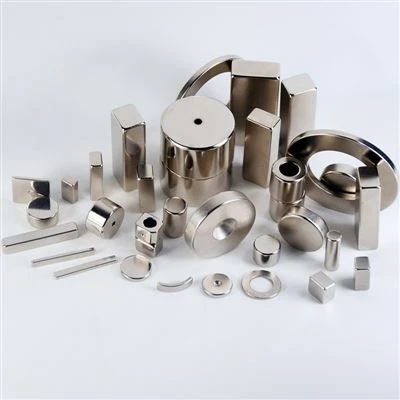
Conclusion
Magnets have a wide range of practical uses, from everyday household applications to advanced technology in medical, industrial, and transportation fields. If you are looking for high-quality magnetic products, feel free to contact our factory for expert consultation and custom solutions!


