


Bar magnets, also known as permanent magnets, are widely used in various applications due to their ability to generate a strong and consistent magnetic field. Whether for industrial purposes, educational demonstrations, or scientific experiments, the strength of a bar magnet is a crucial factor. In this article, we'll explore the strongest types of bar magnets, their properties, and the applications they are best suited for, all while keeping Google SEO best practices in mind.
Types of Strongest Bar Magnets
Neodymium Bar Magnets (NdFeB)
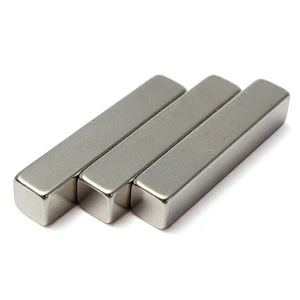
Neodymium bar magnets, also known as NdFeB magnets, are considered the strongest permanent magnets available today. They are made from an alloy of neodymium, iron, and boron, and are part of the rare earth magnet family. NdFeB magnets offer the highest energy product (BHmax) compared to other magnet types, making them ideal for applications requiring high magnetic strength in a compact size.
Strength: NdFeB bar magnets have magnetic strengths ranging from 35 MGOe to over 55 MGOe (Mega Gauss Oersteds), depending on the grade. This makes them perfect for applications where size and strength are crucial.
Applications: These magnets are commonly used in motors, sensors, magnetic assemblies, and even in high-performance speakers and magnetic resonance imaging (MRI) machines.
Coating: Due to their susceptibility to corrosion, NdFeB magnets are typically coated with materials like nickel, zinc, or epoxy to ensure durability.
Samarium Cobalt Bar Magnets (SmCo)
Samarium cobalt (SmCo) bar magnets are another type of rare earth magnet known for their high magnetic strength. While not as powerful as NdFeB magnets, they offer superior temperature stability and resistance to corrosion.
Strength: SmCo magnets typically range from 24 MGOe to 32 MGOe, making them highly suitable for high-temperature environments.
Applications: These magnets are often used in aerospace, military, and automotive applications, as well as in environments where high temperatures (up to 350°C) are present.
Alnico Bar Magnets
Alnico magnets are made from a combination of aluminum, nickel, cobalt, and iron. Although they are not as strong as NdFeB or SmCo magnets, they offer excellent temperature stability and are capable of generating a strong magnetic field over large distances.
Strength: Alnico magnets have a magnetic strength range of 5 MGOe to 12 MGOe.
Applications: Due to their durability at high temperatures (up to 500°C), Alnico bar magnets are used in applications such as electric motors, sensors, and industrial machinery.
Ceramic (Ferrite) Bar Magnets
Ceramic bar magnets, also known as ferrite magnets, are made from iron oxide and barium or strontium carbonate. While they are less powerful than other types of permanent magnets, they are highly affordable and resistant to demagnetization.
Strength: Ceramic bar magnets have a strength range of 1 MGOe to 4 MGOe.
Applications: These magnets are used in a wide range of applications, including refrigerator magnets, loudspeakers, and magnetic separators.
How to Choose the Strongest Bar Magnets for Your Application
When selecting the strongest bar magnet, consider the following factors to ensure optimal performance:
Magnetic Strength:
If maximum magnetic force is your priority, Neodymium (NdFeB) bar magnets are the best choice. They offer the highest magnetic strength in the smallest size.
Temperature Stability:
If your application involves high temperatures, Samarium Cobalt (SmCo) magnets are ideal due to their ability to retain their magnetism at higher temperatures compared to NdFeB magnets.
Corrosion Resistance:
For environments where corrosion is a concern, Samarium Cobalt and Alnico magnets are more resistant to oxidation and do not require coatings like Neodymium magnets.
Cost Considerations:
Ceramic bar magnets are the most affordable option, making them suitable for applications where strength is not the primary requirement, but durability and cost-efficiency are essential.
Size and Shape:
The size and shape of the bar magnet can also affect its strength. For instance, a larger magnet generally produces a stronger field, so consider the physical dimensions based on the space available for your application.
Applications of the Strongest Bar Magnets
Motors and Generators:
High-performance motors, especially in the electric vehicle (EV) industry, require strong bar magnets like NdFeB magnets for efficiency and power.
Magnetic Levitation (MagLev):
Magnetic levitation technologies, used in high-speed trains and other systems, rely on the strength of NdFeB or SmCo magnets for precise control.
Speakers and Audio Equipment:
Neodymium magnets are frequently used in speakers, headphones, and audio systems, where their strength and compact size deliver superior sound quality.
Medical Devices:
Magnetic Resonance Imaging (MRI) machines use high-strength magnets, often NdFeB, to create the magnetic fields necessary for scanning and imaging.
Industrial Applications:
Magnetic assemblies, magnetic separators, and lifting equipment often use strong bar magnets like NdFeB or SmCo for enhanced performance in industrial settings.
Conclusion
The strongest bar magnets are typically made from Neodymium (NdFeB) and Samarium Cobalt (SmCo), with NdFeB magnets offering the highest strength and compact size. However, the choice of magnet depends on the specific requirements of your application, such as temperature stability, corrosion resistance, and cost. Whether you're looking for a magnet for a motor, medical device, or industrial machinery, understanding the strengths and limitations of each type of bar magnet will help you make an informed decision for optimal performance. At QCM, we provide a wide range of high-quality bar magnets tailored to your needs, ensuring that you receive the right magnet for your application.


