


At QCM, we specialize in the production of high-quality magnetic products, including bonded magnets, which are increasingly becoming a preferred solution for various industrial applications. But what exactly is a bonded magnet, and how does it differ from traditional solid magnets?
What Is A Bonded Magnet?
A bonded magnet is a type of permanent magnet that is made by combining magnetic powder with a polymer binder or resin. This composite material is then formed into a specific shape using molding, extrusion, or other processes, depending on the desired final product. Bonded magnets can be made from a variety of magnetic powders, such as Neodymium Iron Boron (NdFeB), Samarium Cobalt (SmCo), or Ferrite, and they offer unique benefits compared to traditional sintered magnets.
Unlike sintered magnets, which are created by compacting and sintering magnetic materials at high temperatures, bonded magnets are manufactured using a cold-pressing process, allowing for greater flexibility in shape and size. As a result, bonded magnets are ideal for applications where complex geometries, lightweight structures, and lower manufacturing costs are essential.
Key Advantages of Bonded Magnets
Flexibility in Shape and Size
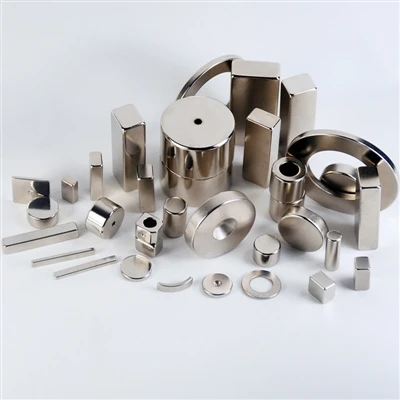
One of the primary advantages of bonded magnets is their ability to be easily molded into complex shapes, including intricate geometries and thin-walled designs. This flexibility makes bonded magnets ideal for applications where traditional sintered magnets would be difficult or cost-prohibitive to manufacture.
Lightweight and Cost-Effective
Because bonded magnets can be produced with a wide range of materials, including lightweight resins and polymers, they tend to be lighter than their sintered counterparts. Additionally, the manufacturing process for bonded magnets is more cost-effective, making them an attractive option for mass production in industries where cost is a key consideration.
Customizable Magnetic Properties
By adjusting the ratio of magnetic powder to binder material, bonded magnets can be customized to achieve specific magnetic properties, such as strength, coercivity, and temperature resistance. This makes them highly adaptable to various applications, from automotive sensors to electronic components.
Reduced Material Wastage
The manufacturing process for bonded magnets typically generates less waste compared to sintered magnet production. This results in a more efficient use of raw materials and contributes to a more environmentally sustainable production process.
Improved Magnetization Control
Bonded magnets can be magnetized in specific directions during the manufacturing process, offering greater control over the orientation of the magnetic poles. This is particularly important in applications where precise magnetic alignment is critical, such as in motors and sensors.
Applications of Bonded Magnets
Bonded magnets are used in a wide variety of applications across different industries. Some of the most common uses include:
Automotive Industry
In the automotive sector, bonded magnets are used in sensors, actuators, and electric motors, where their ability to be produced in custom shapes and sizes is a significant advantage. They also provide reliable performance in harsh environments, such as high temperatures and vibration-prone areas.
Electronics
Bonded magnets are commonly used in the electronics industry for applications such as loudspeakers, sensors, and magnetic assemblies. Their lightweight and customizable nature makes them ideal for compact electronic devices, where space and weight limitations are critical.
Medical Devices
In the medical field, bonded magnets are often used in devices such as MRI machines, hearing aids, and magnetic therapy products. Their ability to be produced in small, precise sizes is crucial for ensuring the high-performance standards required in medical applications.
Consumer Goods
Bonded magnets are also used in a variety of consumer goods, from refrigerator magnets to toys and gadgets. Their versatility in shape and size, combined with their cost-effectiveness, makes them popular in the consumer market.
Renewable Energy
Bonded magnets play a role in renewable energy applications, such as wind turbines and energy-efficient motors. Their magnetic properties are crucial for improving the efficiency and performance of renewable energy systems.
Manufacturing Process of Bonded Magnets
The process of manufacturing bonded magnets involves several key steps:
Preparation of Magnetic Powder
The first step in the production of bonded magnets is the preparation of magnetic powders. These powders are typically made from rare earth elements (such as NdFeB or SmCo) or ferrite materials. The powders are finely ground to achieve the desired particle size for optimal magnetic performance.
Mixing with Binder Material
The magnetic powder is mixed with a binder material, such as resin or plastic. This binder helps to hold the magnetic particles together during the molding process and gives the final product its strength and durability.
Molding and Shaping
The mixture of magnetic powder and binder is then placed into a mold and subjected to pressure. This process can be done using compression molding, injection molding, or extrusion, depending on the complexity of the desired shape. The result is a green body (uncured magnet) that has the shape and size of the final magnet.
Curing and Magnetization
Once the magnet has been molded, it undergoes a curing process, where the binder material hardens, and the magnet is magnetized. The magnet is then ready for use in its intended application.
Finishing
The final step involves any necessary finishing processes, such as coating or machining, to ensure the magnet meets specific performance or aesthetic requirements.
Conclusion
Bonded magnets are an innovative and versatile solution for various industries, offering a range of benefits over traditional solid magnets. At QCM, we specialize in the production of high-quality bonded magnets, customized to meet the unique needs of our clients. Whether you're looking for magnets for automotive, medical, or electronic applications, we have the expertise and technology to provide the best possible solution. Our commitment to quality, efficiency, and cost-effectiveness ensures that our bonded magnets will meet your specifications and exceed your expectations.


