


At QCM, we specialize in the manufacturing of high-performance magnetic products, and one of the most widely used types of magnets we produce is the ferrite magnet. Known for their cost-effectiveness, durability, and versatile applications, ferrite magnets play a crucial role in various industries. In this article, we'll explore what ferrite magnets are, how they are made, their properties, and the industries they serve, all from the perspective of our expertise as a leading magnet manufacturer.
What Is a Ferrite Magnet?
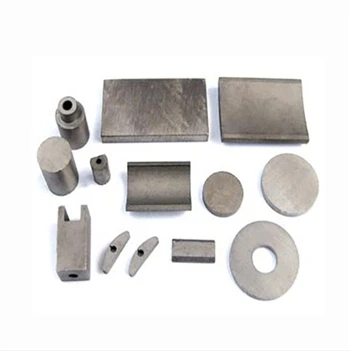
A ferrite magnet, also known as a ceramic magnet, is a type of permanent magnet made from a combination of iron oxide (Fe2O3) and other metal oxides, such as barium or strontium. These magnets are part of the hard ferrite family and are typically manufactured through a process called ceramic sintering, where powdered ferrite materials are compressed and heated to form solid, rigid magnets.
Ferrite magnets are known for their relatively low cost and ease of manufacturing, making them ideal for applications where high-performance magnets are required, but the budget is limited. Despite being less powerful than rare earth magnets like neodymium, ferrite magnets offer excellent resistance to demagnetization, corrosion, and high-temperature environments.
Key Properties of Ferrite Magnets
High Resistance to Demagnetization
Ferrite magnets are known for their high coercivity, which means they are resistant to being demagnetized. This property makes them ideal for use in environments where magnets may be exposed to fluctuating magnetic fields or high external forces.
Corrosion Resistance
One of the major benefits of ferrite magnets is their excellent resistance to corrosion and oxidation. Unlike other types of magnets, ferrite magnets do not require additional coatings or treatments to protect them from rust, making them suitable for use in harsh or outdoor environments.
High-Temperature Stability
Ferrite magnets are stable at higher temperatures compared to other types of permanent magnets. They can operate effectively in environments with temperatures reaching up to 250°C (482°F), which makes them ideal for applications where heat resistance is a crucial factor.
Low Cost
Ferrite magnets are made from abundant raw materials, which makes them much more cost-effective compared to rare earth magnets like neodymium or samarium-cobalt. This affordability makes ferrite magnets the preferred choice for many budget-conscious applications.
Moderate Magnetic Strength
While ferrite magnets do not offer the same level of magnetic strength as neodymium magnets, they still provide a significant magnetic force relative to their size. Their magnetic strength is sufficient for many industrial and consumer applications where high-performance magnets are not required.
Non-Toxic and Environmentally Friendly
Ferrite magnets are made from non-toxic materials and do not contain any rare or harmful substances, making them environmentally friendly and safe for a wide range of uses.
Manufacturing Process of Ferrite Magnets
At QCM, we manufacture ferrite magnets using a highly controlled ceramic sintering process. The production steps include:
Material Preparation
The first step is preparing the raw materials, which typically consist of iron oxide and barium or strontium carbonate. These materials are mixed in precise proportions to create the ferrite compound.
Powdering and Mixing
The ferrite material is then crushed into a fine powder. The powder is thoroughly mixed to ensure uniformity and consistency in the final product.
Molding
The powdered ferrite mixture is placed into molds and compressed into the desired shape. This is typically done using a process called dry pressing, which forms the magnet into rough shapes such as rings, blocks, or discs.
Sintering
The molded shapes are then heated in a furnace at high temperatures (around 1,300 to 1,400°C), a process known as sintering. During sintering, the particles fuse together to form a solid, dense material with strong magnetic properties.
Magnetization
After sintering, the magnets are magnetized by exposing them to a strong magnetic field. This process aligns the magnetic domains in the ferrite material, giving the magnets their permanent magnetic properties.
Finishing
Once magnetized, the ferrite magnets undergo finishing processes, such as grinding and coating (if necessary), to achieve the desired size, shape, and surface finish.
Applications of Ferrite Magnets
Ferrite magnets are widely used in a variety of industries due to their strength, affordability, and durability. Some of the key applications include:
Motors and Generators
Ferrite magnets are commonly used in electric motors and generators, particularly in low-cost consumer electronics such as fans, vacuum cleaners, and refrigerators. Their high resistance to demagnetization and high-temperature stability makes them ideal for these applications.
Magnetic Assemblies
Ferrite magnets are often used in magnetic assemblies, such as in loudspeakers, sensors, and magnetic separators. In speakers, ferrite magnets are used to generate the magnetic fields that drive the movement of the diaphragm and produce sound.
Automotive Industry
In the automotive industry, ferrite magnets are used in various applications, such as in wipers, window motors, and antennas. Their durability and high resistance to corrosion make them suitable for use in vehicles, where they are exposed to challenging environments.
Magnetic Separation
Ferrite magnets are used in magnetic separation systems to remove ferromagnetic materials from a flow of bulk material, such as in mining, food processing, and recycling industries. These magnets are used to extract metals from non-metallic materials, ensuring product purity and preventing equipment damage.
Toys and Gifts
Due to their low cost and safety features, ferrite magnets are widely used in toys and promotional gifts. They are used in everything from fridge magnets to magnetic puzzles and educational kits.
Magnetic Fixtures and Tools
Ferrite magnets are also used in various types of magnetic fixtures and tools, such as magnetic hooks, clamps, and holders. Their reliable holding force makes them ideal for industrial and DIY applications.
Conclusion
Ferrite magnets are an essential component in many industries due to their cost-effectiveness, durability, and versatility. At QCM, we pride ourselves on producing high-quality ferrite magnets that meet the diverse needs of our clients, whether they require magnets for motors, magnetic assemblies, separation systems, or consumer goods. Our commitment to precision manufacturing and quality ensures that each ferrite magnet we produce provides reliable, long-lasting performance in its intended application. Whether you're working in automotive, electronics, or manufacturing, ferrite magnets from QCM are the right choice for your magnetic needs.


