


At QCM, we specialize in the manufacturing of high-quality magnetic products, and one such product that plays a significant role in various industries is the magnetized bar. This versatile tool is used to harness magnetic power in a compact and efficient design, providing practical solutions for a range of applications, from industrial processes to research and development. In this article, we will explore what a magnetized bar is, its features, how it works, and its diverse applications across different industries.
What Is a Magnetized Bar?
A magnetized bar is a long, rod-shaped magnet designed to produce a magnetic field along its length. It is commonly made from high-strength permanent magnets, such as neodymium or ferrite magnets, which are embedded inside a durable casing, often made from stainless steel. The bar's magnetic field attracts ferrous materials (such as iron or steel) and can be used to separate, hold, or manipulate these materials in various industrial or commercial processes.
Magnetized bars are often employed as part of larger systems or machinery in industrial settings, and they can be custom-designed based on the required magnetic strength, size, and material type. Their primary function is to generate a localized magnetic field that can attract ferrous objects from surrounding environments, making them invaluable in a range of operations.
How Does a Magnetized Bar Work?
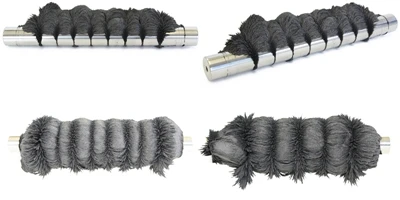
A magnetized bar works by creating a magnetic field that draws ferrous materials toward it. When a ferrous object (such as metal shavings, nails, or steel debris) comes into the bar's magnetic field, the object is attracted to the bar and sticks to its surface.
The bar itself does not require any external power source for operation because it is a permanent magnet. This means it retains its magnetic properties over time and does not need to be recharged or powered like an electromagnet. The strength of the magnetic field depends on the type of magnet material used (such as neodymium for stronger fields or ferrite for more moderate magnetic strength) and the size of the bar.
Once the ferrous materials are attracted to the bar, they can be manually or automatically removed, depending on the application. Some magnetized bars are designed with cleaning mechanisms to facilitate the removal of the collected debris.
Types of Magnetized Bars
There are several types of magnetized bars, each suited for different tasks and applications. Some common types include:
Standard Magnetized Bars
These are basic magnetized bars typically used for general-purpose tasks like separating ferrous debris from bulk materials or removing metal contaminants from products during manufacturing. They are often used in food processing, chemical, and pharmaceutical industries.
Magnetic Filter Bars
Magnetic filter bars are specifically designed for liquid filtration applications. These bars are often used in systems where liquids or powders need to be filtered of ferrous contaminants. The bar is typically placed within a housing or filter unit where it attracts ferrous materials from the flowing liquid.
Rotating Magnetized Bars
These bars are equipped with a rotating mechanism, allowing the bar to be cleaned automatically as it turns. This feature is particularly useful in industries where there is a need for continuous cleaning and high-volume material flow, such as in food production or recycling.
High-Strength Magnetized Bars
Made with high-quality magnets like neodymium, these bars offer stronger magnetic fields and are suitable for applications where more powerful magnetic attraction is necessary, such as in mining, metal sorting, or scrap processing.
Custom Magnetized Bars
Depending on the specific requirements of a project or operation, magnetized bars can be custom-designed to meet the size, strength, and material needs of the application. These bars can be used in specialized machinery, research, or heavy-duty industrial applications.
Applications of Magnetized Bars
Magnetized bars are used in a wide variety of industries and applications. Some of the most common include:
Food Processing
In food processing, ensuring the purity and safety of the product is critical. Magnetized bars are used to remove metal contaminants from ingredients like grains, spices, sugar, or flour. These contaminants can come from processing equipment or foreign objects introduced during handling. Magnetic bars help ensure the final food product is free from harmful metal debris, improving quality and safety for consumers.
Pharmaceutical Manufacturing
Similar to the food industry, the pharmaceutical industry requires highly controlled environments where contaminants can have serious health implications. Magnetized bars are used to capture ferrous particles from powders, liquids, or other raw materials, preventing contamination and ensuring the purity of the pharmaceutical products being made.
Recycling and Scrap Metal
Magnetized bars are widely used in the recycling industry to help separate ferrous metals from non-ferrous materials. In scrap metal yards, magnetized bars can be used to extract iron, steel, or other ferrous metals from a mixed material stream, ensuring that the metal can be recycled or reused effectively.
Plastic and Rubber Industries
The plastic and rubber industries often use magnetized bars to remove ferrous contaminants from raw materials before they are processed. Metal debris can compromise the quality of finished plastic or rubber products, so magnetic bars help ensure that these materials remain free of contamination during manufacturing.
Cement and Mining
In cement production and mining, magnetized bars are used to separate iron ore, magnetite, and other ferrous minerals from non-ferrous materials during the processing of raw materials. This separation helps ensure that only the desired materials are used in production, and it helps protect expensive machinery from wear and damage caused by metal contamination.
Chemical Processing
The chemical industry uses magnetized bars to remove ferrous materials from liquids, powders, and granular materials that are processed during chemical manufacturing. Whether in paints, inks, or other chemical products, magnetic bars help ensure product integrity and prevent damage to machinery.
Textile and Apparel Manufacturing
In textile manufacturing, magnetized bars are used to remove ferrous debris from fabric, threads, or fibers. Metal contaminants can damage delicate fabrics or result in the production of defective goods. By using magnetized bars, manufacturers can ensure a higher quality final product and reduce equipment wear.
Research and Development
Magnetized bars are also used in laboratories and R&D environments, where they play a role in experiments, metal sorting, and the study of magnetic properties. The simplicity and versatility of these bars make them essential tools for both practical and scientific purposes.
Advantages of Magnetized Bars
Non-Electric Operation
Since magnetized bars use permanent magnets, they do not require any electricity or external power sources to function. This makes them energy-efficient and highly reliable for continuous use in a variety of applications.
Low Maintenance
Magnetized bars are relatively low-maintenance tools. Their durable construction and lack of moving parts (in most designs) mean they are less prone to wear and tear, reducing the need for costly repairs or downtime.
High Magnetic Strength
Depending on the type of magnet used, magnetized bars can offer varying levels of magnetic strength, making them suitable for different applications. High-strength magnetized bars can attract even the smallest metal contaminants, ensuring thorough cleaning and separation.
Cost-Effective
Magnetized bars are an affordable solution for businesses that need to remove metal contaminants from materials. They are often more cost-effective compared to other methods of filtration or separation, making them a popular choice in industries with high-volume processing needs.
Versatility
Magnetized bars are highly adaptable and can be used in a wide range of applications, from food and pharmaceutical production to mining and recycling. Their versatility makes them an invaluable tool in many industries that require the removal of ferrous materials.
Customizable
Magnetized bars can be custom-designed to suit specific needs, including adjustments in size, magnetic strength, and construction material. This allows them to be tailored for specific applications, ensuring optimal performance and efficiency.
Conclusion
A magnetized bar is a powerful and efficient tool used in various industries to remove ferrous contaminants and ensure product quality, safety, and operational efficiency. At QCM, we specialize in manufacturing high-quality magnetized bars designed to meet the unique requirements of our clients. Whether used in food processing, recycling, mining, or chemical manufacturing, magnetized bars provide a reliable solution for separating metal contaminants, improving processes, and maintaining high product standards. With their ease of use, low maintenance, and customizable designs, magnetized bars are an essential tool in many industrial applications.


