


Both nickel plating and galvanizing are metal coating processes used to protect steel and other materials from corrosion. However, they have distinct characteristics, applications, and benefits depending on the material being coated and the environment in which it will be used. Let's explore the differences between these two popular surface finishing methods.
1. Nickel Plating
What is Nickel Plating?
Nickel plating is a process in which a thin layer of nickel is electrochemically deposited onto the surface of a metal. This method is typically performed using an electrolyte solution that contains a nickel salt, and an electric current is applied to facilitate the plating process.
Characteristics of Nickel Plating:
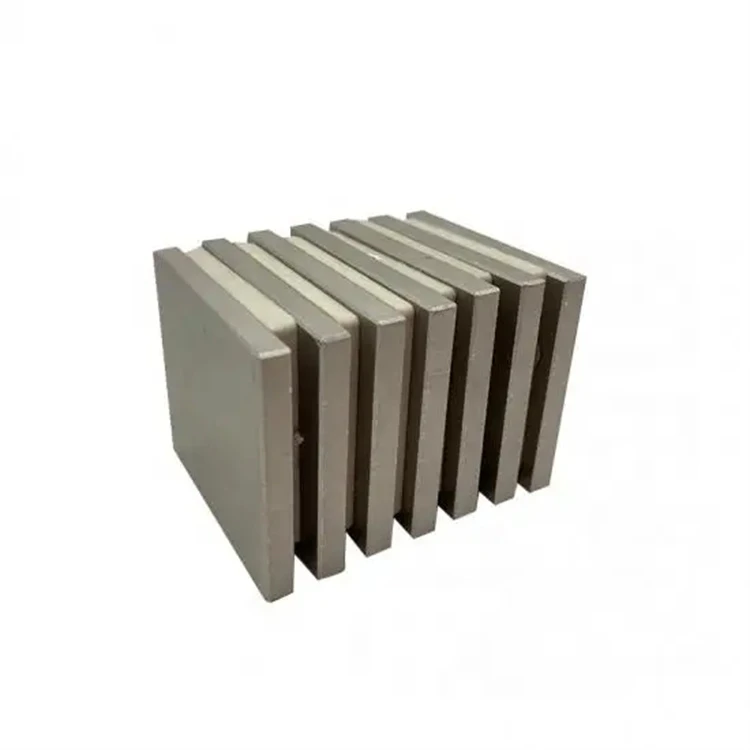
Appearance: Nickel plating typically provides a shiny, silver-like finish. It can be polished for a smooth, glossy surface or left with a matte finish depending on the desired appearance.
Thickness: Nickel plating is typically thinner compared to galvanizing, usually ranging from a few microns to about 25 microns in thickness.
Corrosion Resistance: Nickel plating offers good corrosion resistance, especially in mild environments, and is often used in applications where aesthetic appeal is important.
Wear Resistance: Nickel-plated surfaces offer excellent wear and tear resistance and are often used for components subject to friction (like automotive or aerospace parts).
Heat Resistance: It also provides good resistance to high temperatures, making it suitable for applications where heat may be a concern.
Applications: Commonly used in electronics, jewelry, automotive components, and aerospace parts.
Advantages of Nickel Plating:
Aesthetic Appeal: The shiny, metallic finish enhances the appearance of the coated part.
Increased Durability: Provides wear resistance, improving the longevity of parts subjected to friction.
Better Electrical Conductivity: Often used for components requiring good electrical conductivity, like connectors and contacts.
Disadvantages of Nickel Plating:
Limited Protection Against Severe Corrosion: Nickel plating is effective against mild corrosion but may not perform as well in harsh, aggressive environments.
Cost: Nickel plating is generally more expensive than galvanizing due to the cost of nickel itself and the plating process.
2. Galvanizing
What is Galvanizing?
Galvanizing is a process in which zinc is applied to a steel or iron surface to protect it from corrosion, typically using one of two methods: hot-dip galvanizing or electro-galvanizing.
Hot-Dip Galvanizing: The metal is dipped into a bath of molten zinc, where the zinc bonds with the base metal, forming a protective layer.
Electro-Galvanizing: Zinc is deposited onto the surface of the metal through an electrochemical process similar to nickel plating.
Characteristics of Galvanizing:
Appearance: Galvanized coatings often have a matte or slightly shiny finish, with a distinctive crystalline pattern formed on the surface, known as a "spangle."
Thickness: The zinc coating from hot-dip galvanizing is usually thicker than nickel plating, typically ranging from 40 microns to more than 100 microns.
Corrosion Resistance: Galvanizing is highly effective in providing corrosion resistance, especially in harsh, outdoor environments. Zinc acts as a sacrificial anode, meaning it corrodes before the underlying metal does, providing long-term protection.
Durability: Hot-dip galvanizing creates a much thicker and more durable coating than nickel plating, making it suitable for applications where the material will be exposed to outdoor or industrial conditions.
Applications: Galvanizing is widely used in construction, infrastructure, agriculture, and automotive industries, especially for steel pipes, structural beams, fences, and roofing materials.
Advantages of Galvanizing:
Superior Corrosion Protection: Galvanizing provides excellent protection against corrosion, especially in outdoor or highly corrosive environments like marine or industrial areas.
Cost-Effective: Generally more affordable than nickel plating, especially for larger-scale applications.
Long-Lasting: Hot-dip galvanizing creates a thick, durable coating that lasts for years, reducing the need for frequent maintenance or re-coating.
Disadvantages of Galvanizing:
Aesthetics: While effective, galvanized coatings may not have the same sleek, polished look as nickel-plated parts. The finish is generally more industrial in appearance.
Limited Wear Resistance: While galvanized coatings are corrosion-resistant, they do not offer the same level of wear resistance as nickel plating.
Difficult to Repair: Once the galvanized coating is damaged, it can be difficult to repair and restore its protective qualities.
Key Differences Between Nickel Plating and Galvanizing
| Feature | Nickel Plating | Galvanizing |
|---|---|---|
| Material | Nickel | Zinc |
| Process | Electroplating | Hot-dip or electro-galvanizing |
| Coating Thickness | Thinner (a few microns to 25 microns) | Thicker (typically 40 microns to 100 microns or more) |
| Corrosion Resistance | Good in mild environments | Excellent, especially in harsh environments |
| Wear Resistance | Excellent (ideal for friction-prone parts) | Limited compared to nickel plating |
| Appearance | Shiny, metallic finish (polished or matte) | Matte or slightly shiny, with a crystalline pattern |
| Applications | Electronics, automotive parts, jewelry | Construction, infrastructure, agricultural equipment |
| Cost | More expensive | More affordable |
| Durability | Good, but less durable in extreme conditions | Very durable, ideal for outdoor or industrial environments |
Conclusion
The choice between nickel plating and galvanizing depends on the specific needs of the application.
Nickel plating is ideal for applications requiring a shiny, attractive finish with high wear resistance and where moderate corrosion protection is sufficient, such as in electronics, jewelry, or automotive parts.
Galvanizing, on the other hand, is the preferred option when long-lasting corrosion protection is required, especially for materials exposed to harsh outdoor or industrial environments. It's more cost-effective and durable in such conditions, making it a go-to for construction, infrastructure, and agricultural equipment.
At QCM, we specialize in providing both nickel plating and galvanizing services tailored to the specific needs of your projects, ensuring that your materials are protected, durable, and cost-effective.


