The process of magnet cutting involves shaping and resizing magnetic materials to meet specific requirements. The size of a magnet after cutting is influenced by a variety of factors. These factors depend on both the material properties of the magnet and the cutting method used. Below, we will explore the key elements that affect the size and precision of magnet cutting.
1. Type of Magnet Material
Different types of magnets, such as neodymium, ferrite, and samarium-cobalt, have varying properties that impact their ability to be cut or shaped. The material composition dictates how easy or difficult it is to cut and how clean the edges will be.
Why It Matters:
Neodymium Magnets: These are brittle and prone to cracking under stress. Cutting neodymium magnets requires special care, typically using a diamond blade or laser cutting.
Ferrite Magnets: These are less brittle but harder to cut precisely. They may require grinding or cutting with a high-speed abrasive wheel.
Samarium-Cobalt Magnets: While they are harder than ferrite, samarium-cobalt magnets can still be cut using proper equipment, such as abrasive saws or laser cutting.
2. Cutting Method
The method used for cutting magnets plays a crucial role in determining their final size and shape. Common cutting techniques include laser cutting, diamond cutting, waterjet cutting, and abrasive saw cutting.
Why It Matters:
Laser Cutting: Provides high precision, ideal for thin magnets and detailed shapes. It can also minimize material wastage and ensure tight tolerances.
Abrasive Cutting: Suitable for thicker magnets or harder materials, but it may result in rougher edges that require additional finishing.
Waterjet Cutting: Offers clean cuts with minimal heat generation, preventing distortion, but the cutting speed may be slower than other methods.
The cutting method chosen will influence the precision of the cut and the amount of material lost during the process, ultimately affecting the final size.
3. Magnet Thickness
The thickness of the magnet directly impacts the cutting technique and the ease of cutting. Thicker magnets require more power and time to cut through, and may need a stronger or more durable cutting tool.
Why It Matters:
Thicker Magnets: Require more force and may lead to longer cutting times or even greater heat generation, which can affect the magnet's performance (e.g., loss of magnetization).
Thinner Magnets: Are generally easier to cut with precision but may require more careful handling to avoid cracking.
4. Cutting Tolerances and Precision
Cutting tolerances define how closely the final size of the magnet matches the intended measurements. The precision required in cutting depends on the application of the magnet. High-precision magnets are needed for sensitive electronics, medical devices, or motors, where small deviations from the desired size can affect performance.
Why It Matters:
Tight tolerances can limit the range of acceptable cutting sizes, requiring advanced cutting methods like laser cutting or micro-abrasive cutting.
Larger tolerances may allow for more flexibility in cutting, reducing the complexity of the process.
5. Magnet Orientation
The orientation of the magnet during the cutting process also plays a role in how cleanly it can be cut. Magnets have magnetic poles that affect their brittleness and behavior when subjected to cutting forces.
Why It Matters:
Magnetizing Direction: Cutting along the magnetic axis can affect the structural integrity of the magnet, potentially leading to cracks or fractures.
Orientation Control: Ensuring the correct orientation can help maintain the quality of the cut and prevent magnet damage.
6. Magnet Coating
Many magnets are coated with materials such as nickel, zinc, or epoxy to improve corrosion resistance. The coating thickness can affect how easily the magnet can be cut and how much of the coating is removed during the process.
Why It Matters:
Coated Magnets: Cutting coated magnets can result in the coating being disrupted, leading to additional finishing required to restore the coating or clean the edges.
Uncoated Magnets: Easier to cut but may be more susceptible to rust or corrosion if not protected immediately after cutting.
7. Heat Generation During Cutting
Cutting a magnet generates heat, and excessive heat can negatively affect the material's magnetic properties. Some magnet materials are more heat-sensitive than others, so managing heat during cutting is critical to maintaining the magnet's strength.
Why It Matters:
High-heat generation during cutting (especially in methods like abrasive or laser cutting) can result in de-magnetization of parts of the magnet, reducing its effectiveness.
Cooling techniques or low-heat cutting methods may be necessary for sensitive materials like neodymium.
8. Magnet Size Before Cutting
The initial size and shape of the magnet before cutting influence the cutting path and wastage. A magnet that is already close to the desired size may require minimal cutting, while larger magnets may need more work to reach the required dimensions.
Why It Matters:
Pre-cut Magnet Sizes: Larger magnets may need to be clamped securely to prevent shifting during cutting, which can affect the final size and precision.
Material Waste: Larger magnets may result in more material being wasted, particularly if precise cutting techniques are not used.
9. Equipment and Technology
The type of cutting equipment used also determines the size of the magnet cutting. Advanced cutting technologies such as CNC machines, laser cutters, and water jets offer higher precision but require careful calibration to maintain the correct size.
Why It Matters:
High-Precision Machines: These can cut magnets to the exact dimensions required, with minimal material loss.
Older or Basic Machines: May struggle with achieving the same level of accuracy, which can impact the final size.
Conclusion
The size of magnet cutting is influenced by a combination of factors, including the type of material, cutting method, magnet thickness, and precision requirements. Understanding these factors is crucial for achieving the desired size and maintaining the performance of the magnet. At QCM, we specialize in the precise cutting of various types of magnets, ensuring that they meet your specifications while minimizing material wastage and preserving their magnetic properties. Whether you require neodymium magnets for sensitive applications or ferrite magnets for industrial use, the cutting method and factors involved can be optimized to meet your exact needs.
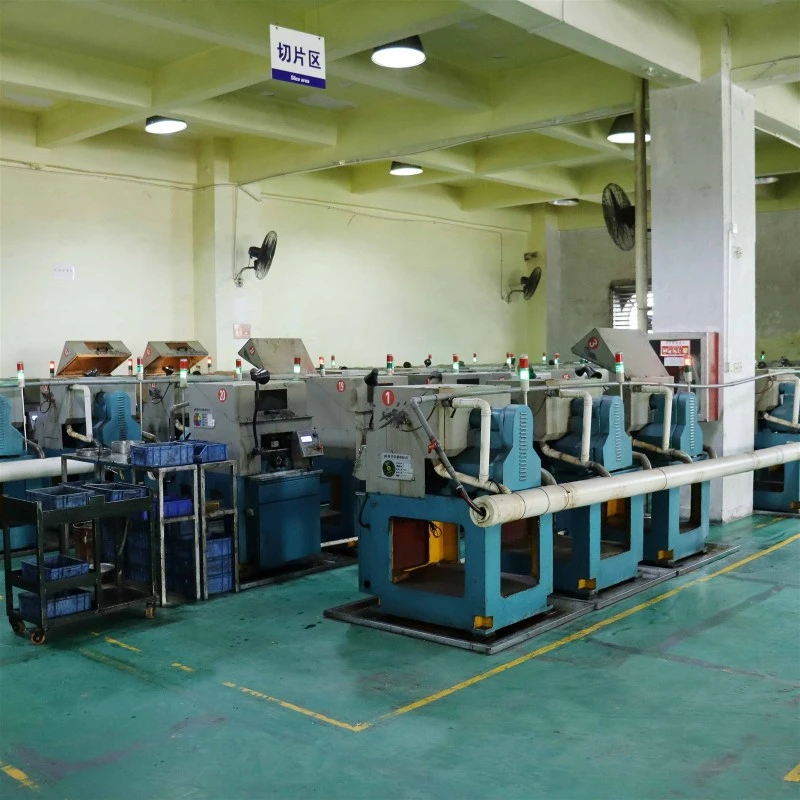
The picture shows the magnet cutting machine in our factory.