


Magnet fishing is not universally illegal in the United States, but its legality is affected by state laws, particularly when it comes to the discovery and removal of historical artifacts. Here are some key factors that explain why fishing magnets may be considered illegal or restricted in certain circumstances:
Laws and regulations
1. Historic Preservation: Many state laws prohibit the removal of historic artifacts without a permit. These artifacts are usually defined as items that are more than 100 years old or of a specific age.
2. local regulations: state and local governments may have different regulations. For example, some localities may ban magnets for fishing altogether or impose specific restrictions and requirements. Magnet anglers need to be aware of local laws and regulations before engaging in the activity to ensure compliance.
3. Safety and environmental concerns: Some safety and environmental concerns have arisen with the popularity of magnets for fishing. For example, the use of large magnets may stir up sediments under the water and affect water quality. In addition, the discovery of dangerous items (such as guns or bombs) must be reported immediately by anglers to local law enforcement, which may raise legal issues.
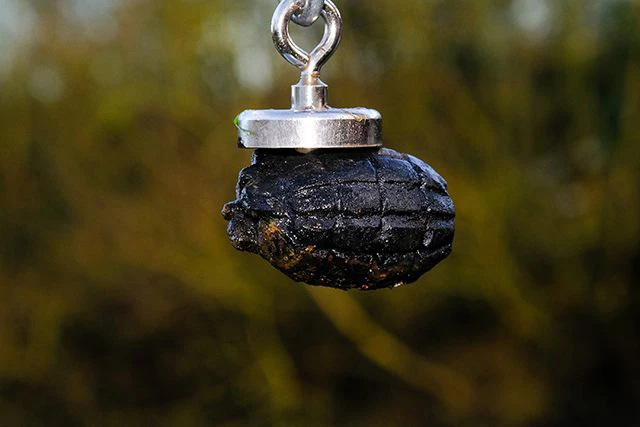
magnet fishing found the bomb
4. Private Property: MAGNET FOR MAGNET FISHING ON PRIVATE PROPERTY requires the express permission of the landowner. Entering private land without permission may constitute trespassing.
The following states have relatively free access to fishing magnet:
California: magnets for magnet fishing in navigable public waters is allowed, but removal of any artifacts is prohibited.
Florida: magnet fishing magnet is allowed in navigable state waters, but historical artifacts are defined as items that are more than 50 years old, and removing them requires following the relevant laws.
Texas: magnet fishing is legal, but a permit is required on private property and specific conditions need to be followed when removing historic artifacts.
Alaska.
Alaska allows magnet fishing in public waters and state law protects pre-European colonial artifacts.
Georgia (Georgia)
Georgia does not have a law against magnet fishing in public waters, and the state protects pre-European colonial artifacts.
Hawaii
Hawaii generally allows magnet fishing in public areas and defines pre-1778 artifacts as historic.
Indiana
Indiana allows magnet fishing in public waters and protects historic artifacts over 50 years old.
Louisiana (Louisiana)
Louisiana typically allows magnet fishing in public waters and has protected artifacts that are over 100 years old.
Nebraska (Nebraska)
Nebraska allows magnet fishing in most public waters and defines artifacts older than 150 years as archaeological finds.
It is important to note that even in these states, some restrictions and requirements may exist. For example, permission from private property owners may be required or certain types of artifacts may not be removed. In addition, states may have different definitions and protections. Therefore, it is important to be aware of specific local laws and regulations before fishing with magnets.
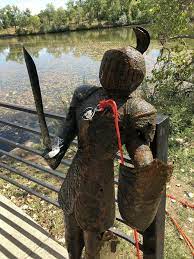
Historical relics discovered by fishing magnet are protected by law
special case
- SOUTH CAROLINA: This is the only state that explicitly bans magnet fishing, and anglers face legal consequences for doing so in the state.
caveat
Check local laws: always check local laws and regulations before going magnet fishing to ensure that all applicable regulations are followed.
Respect the environment: When conducting magnet fishing, take care to protect the environment by cleaning up any trash you find and following local environmental regulations.
Dispose of finds responsibly: If you find items with identifying information, they are not necessarily considered abandoned items by law and should be returned to the original owner as much as possible.
In conclusion, while magnetic fishing is legal in many parts of the United States, the complexity of the laws and regulations means that anglers must conduct thorough research and preparation before undertaking the activity to ensure that all applicable laws and regulations are followed.


