


Introduction
Hey, you know what? For decades, magnetic filters have been pretty common across all kinds of industries. Their main job is to get rid of magnetic particles and impurities in fluids like oil and water. By using the principle of magnetism, these filters can attract and catch iron-containing contaminants, which helps improve the quality and efficiency of the fluids. In this article, I'm going to dig deep into how magnetic filters work, where they're used, what their advantages and limitations are, and how effective they are. In the end, we'll figure out if they're worth using.
How Magnetic Filters Work
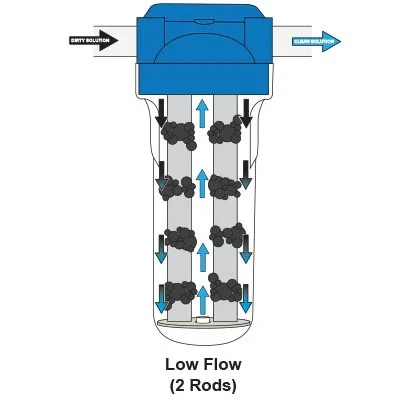
Magnetic filters work based on the principles of magnetism and filtration. Usually, they're made up of a bunch of magnets or a mesh of magnetic material inside a casing. When a fluid with magnetic stuff in it passes through the filter, the magnetic particles are pulled towards the magnets or the magnetic surface and get stuck there. After that, the filtered fluid can keep flowing without any impurities.
The magnets or magnetic surfaces in these filters are often made of neodymium or ceramic materials because they have strong magnetic power. This allows them to catch even the tiniest iron-containing particles effectively. As the particles build up on the filter surface over time, we can clean or replace them regularly.
Applications of Magnetic Filters
Magnetic filters are really useful in many industries and processes where getting rid of iron-containing contaminants is super important. Here are some common examples:
1.Automotive Industry: In car engines and transmission systems, magnetic filters catch metal particles and debris. This is important as it prevents the engine from getting damaged and keeps the car running smoothly. Can you imagine if metal particles were floating around in your engine? It would be a disaster!
2.Manufacturing Processes: In metal-working industries like machining, grinding, and cutting magnetic filters stop metal shavings from harming the equipment and products. Without them, those shavings could mess up the quality of the products or break the expensive machines.
3.Oil and Gas Industry: Magnetic filters are installed in oil pipelines and storage tanks. They remove metal fragments and impurities, which reduces wear and tear on the equipment and keeps the whole operation running smoothly. In this industry, any equipment failure can cost a fortune.
4.Water Treatment: Water treatment plants use magnetic filters to take out iron and manganese particles, making the water cleaner. Think about it, would you want to drink water with those impurities in it? Definitely not!
5.Food Processing: In the food industry, magnetic filters are crucial for removing metal contaminants from raw materials. This ensures food safety and meets the strict food safety regulations. No one wants to find metal in their food!
Advantages of Magnetic Filters
Compared to other filtration methods, magnetic filters have quite a few benefits:
1.Efficient Filtration: They can effectively catch iron-containing contaminants of all sizes, even those teeny - tiny sub-micron particles. This improves the filtration efficiency big time and makes the downstream equipment last longer. That means companies can save a lot of money on equipment repairs and replacements.
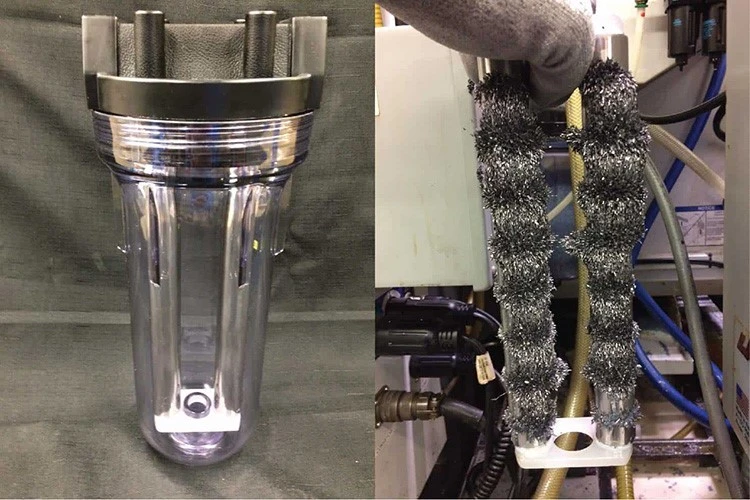
2.Easy Maintenance: Magnetic filters are pretty easy to take care of. Depending on the design, you can clean the accumulated particles or replace the filter media. It's not as complicated as maintaining some other filters.
3.Continuous Filtration: They can filter fluids non-stop without any breaks. This means the production process won't be interrupted because of filtration, which can greatly increase production efficiency.
4.Environmentally Friendly: Magnetic filters don't need disposable parts like filter cartridges or bags, so they produce less waste and are better for the environment. In today's world, where we're all about protecting the environment, this is a huge plus.
Limitations and Things to Consider
Even though magnetic filters are great, they do have some drawbacks:
1.Can't Handle Non-Magnetic Contaminants: Magnetic filters can't do anything about non-magnetic contaminants like plastic or glass particles. So, if you want to get rid of all kinds of impurities, you might need to use other filtration methods along with them.
2.Cost: They can be a bit more expensive than other filters. But in the long run, considering their high efficiency and durability, the initial investment might be worth it. Companies need to think carefully about their budget and needs.
3.Saturation: Over time, the magnetic surface of the filter will get filled with captured particles. So, regular maintenance and cleaning are necessary to keep it working well. Otherwise, the filtration effect will be seriously affected.
4.Flow Restriction: Because of the filter media, magnetic filters might cause a slight drop in fluid pressure or slow down the flow. So, when designing and choosing the filter, it's important to plan properly to minimize this effect. Otherwise, it could mess up the whole system operation.
Effectiveness of Magnetic Filters
How well magnetic filters work depends on a bunch of factors, like the fluid's composition, the size of the particles, and the operating conditions. In many applications, they can effectively remove iron-containing contaminants and improve fluid quality. But remember, no filter is perfect for every situation. To judge their effectiveness, we need to look at the specific needs of each application. We can't just say they're great or not great without considering the context.
Conclusion
All in all, magnetic filters are good at removing iron-containing contaminants from fluids in different industries. They're efficient, easy to maintain, can work continuously, and are good for the environment. However, we also need to be aware of their limitations and use and maintain them correctly to get the best performance. In the end, whether magnetic filters are good or not depends on the specific needs of each application. Only when we choose the right one and use it properly can we truly show their value.


