


The Transportation Security Administration (TSA) has specific guidelines regarding the transportation of magnets on airplanes. While small black magnetic hooks commonly found in consumer products are generally allowed, strong magnetic hooks may be subject to additional restrictions or prohibited altogether.
Key Points on TSA Magnet Regulations
-Small magnetic hooks: Weak magnets, such as those found in toys, souvenirs, and personal electronic devices, are typically permitted in both carry-on and checked luggage.
- Strong magnetic hooks: Powerful magnets, including those used in industrial applications or high-strength rare earth magnets, may be prohibited if they exceed certain magnetic field strength thresholds.
- Magnetic Field Strength: According to the International Air Transport Association (IATA), magnets are considered "magnetized material" if they have a magnetic field strength greater than 0.00525 gausses at a distance of 15 feet from any point on the surface of the package. Such materials must be shielded to reduce the readings to a level no greater than 0.00525 gausses before being offered for air transportation.
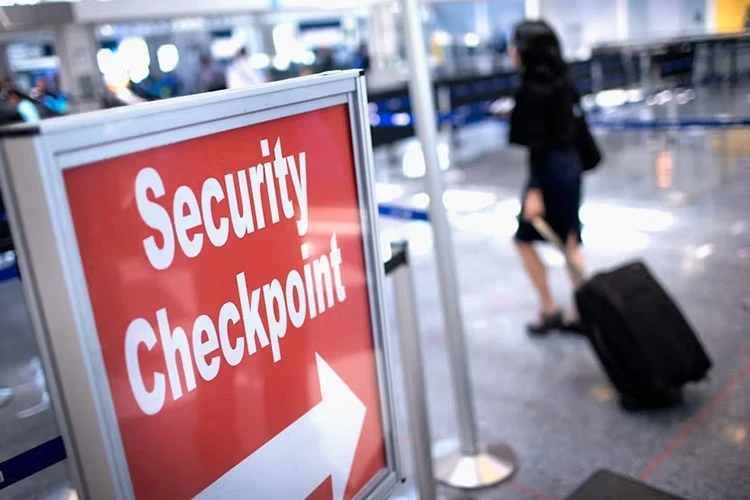
TSA has strict regulations on magnetic hooks being carried on airplanes
- Screening and Inspection: Super strong magnetic hooks may trigger additional screening or inspection by TSA officers. If a magnet is deemed too powerful, the TSA has the discretion to prohibit it through the checkpoint if they believe it poses a security threat.
- Packaging: If transporting extra strong magnetic hooks, it is recommended to pack them securely in checked luggage to minimize the risk of them attracting to other metal objects during screening or flight.
How to Package Magnets to Reduce Gauss Level to 0.00525?
To effectively reduce the magnetic field strength of magnets to below 0.00525 gausses, specific packaging techniques and materials can be employed. Here are the recommended methods:
1.Use of Magnetic Shielding Materials
High Permeability Materials: Utilize materials with high magnetic permeability, such as Mu-Metal or Alloy 49. These materials can effectively redirect magnetic field lines, reducing the field strength in the vicinity of the magnet.
Multi-layer Shielding: Consider using a multi-layer approach where different materials are combined. For example, a configuration with low permeability material (like steel) on the outside, followed by a medium permeability layer (like Alloy 49), and finally a high permeability inner layer (like Mu-Metal) can provide significant attenuation of magnetic fields.
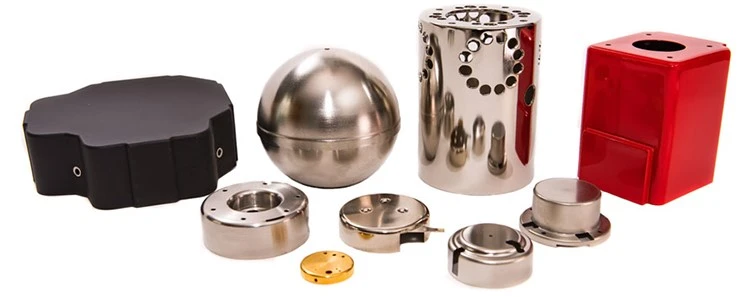
Magnetic shielding materials
2.Proper Packaging Techniques
Enclosure: Enclose the magnet in a box lined with magnetic shielding material. This can help contain the magnetic field and prevent it from extending beyond the desired limits.
Distance and Orientation: Increase the distance between the magnet and the external environment. If possible, orient the magnet so that its poles are aligned in a way that minimizes the magnetic field exposure outward.
Stacking Magnets: If using multiple magnets, arrange them in alternating polarities. This can help cancel out some of the magnetic fields when measured externally, thereby reducing the overall field strength.
3.Measurement and Testing
Field Strength Measurement: Before shipping or traveling, measure the magnetic field strength using a gauss meter or a compass at specified distances (e.g., 7 feet or 15 feet) to ensure compliance with the 0.00525 gausses limit.
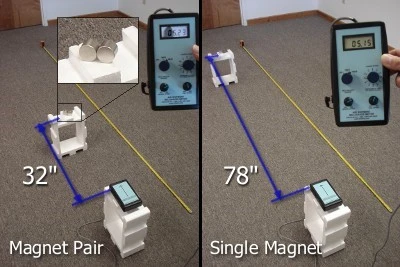
Use a Gauss meter to test the Gauss value of the hook magnet
Recommendations for Traveling with Magnetic hanging hooks
Checked Baggage: Many travelers have successfully transported neosmuk magnetic hooks in their checked luggage without issues. It is advisable to pack them securely, possibly surrounded by clothing to minimize the risk of them attracting attention during screening.
Carry-On Baggage: If you choose to carry outdoor magnetic hooks in your carry-on, be prepared for potential additional screening. Strong magnets can trigger alarms, leading to further inspection by TSA agents.
Weight Considerations: Ensure that the magnetic hooks menards are not excessively strong (e.g., those rated for 50 lbs or more) as they are more likely to be flagged during security checks. Hooks with a lower weight capacity are generally safer to transport.
Conclusion
In summary, while you can take magnetic outdoor hooks on a plane, it is essential to consider their strength and how you pack them. For best practices, place them in checked baggage and ensure they are not overly powerful to avoid complications at security. Always check with your airline for any specific restrictions they may have regarding magnetic items.


