


Understanding the Science Behind Magnetic Interference
If you've ever used magnetic welding clamps or worked near equipment with strong magnets, you might wonder: Can magnets disrupt the welding process? The short answer is yes - but the real story is more nuanced. Let's break down how magnets interact with welding arcs and when they become a problem.
How Magnets Affect Welding: The Basics
Welding relies on controlled electrical currents to generate heat and create metal bonds. Whether you're using stick welding (SMAW), MIG, or TIG, all arc welding processes involve creating a stable path for electricity to flow between the electrode and the workpiece.
Here's where magnets come in:
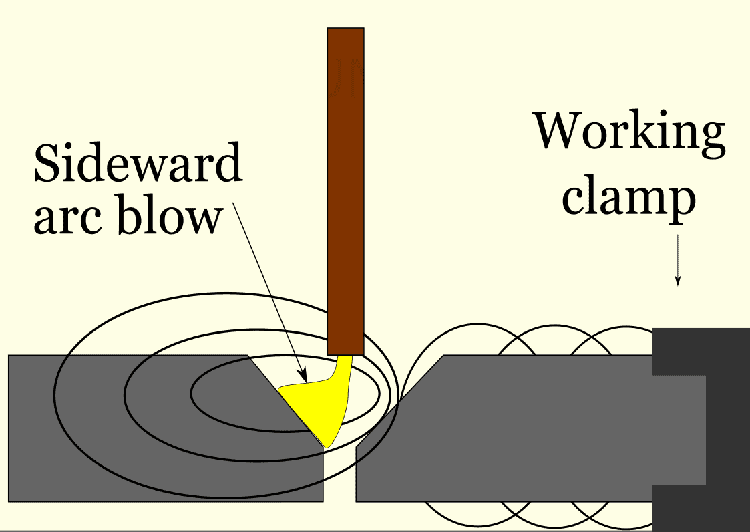
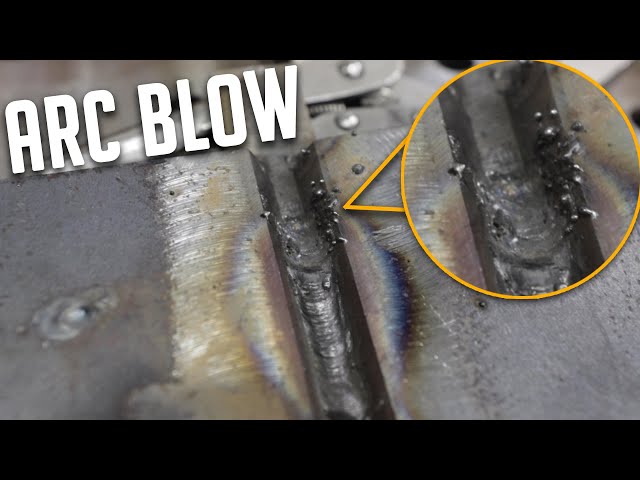
Magnets generate a magnetic field, which can interact with the electrical current in your welding arc. This interaction can cause arc blow - a phenomenon where the welding arc becomes unstable deflects unpredictably, or even extinguishes. Arc blow is most common in DC welding and when working with ferromagnetic metals like steel.
When Do Magnets Become a Problem?
1. Magnetic Welding Clamps
Many welders use magnetic clamps to hold workpieces in place. While convenient, these tools can cause localized magnetic fields. If the clamp is too close to the weld zone, its magnetic field may:
·Push the arc away from the intended path
·Create uneven penetration
·Cause spatter or porosity
Solution: Position magnetic clamps at least 6–12 inches from the weld area. If an arc blow occurs, switch to non-magnetic clamps (e.g., mechanical vice grips).
2. Residual Magnetism in Metal
Even without external magnets, some metals retain residual magnetism from manufacturing or prior exposure to magnetic fields. This is common in pipelines, shipbuilding, or structural steel.
Signs of interference:
·Arc "wanders" despite steady hand movements
·Difficulty starting or maintaining the arc
Fix: Demagnetize the workpiece using an AC coil or degaussing tool before welding.
3 Smart Ways to Reduce Magnetic Interference
1. Switch to AC Welding
Alternating current (AC) changes direction 120 times per second (in 60 Hz systems), which counteracts the effects of steady magnetic fields. AC is less prone to arc blow than DC, especially for TIG welding aluminium or magnesium.
2. Grounding Adjustments
Improper grounding amplifies magnetic interference. Ensure your workpiece ground clamp is:
·Attached close to the weld area
·Free of rust, paint, or debris
·Positioned opposite the direction of arc deflection
3. Use Low-Strength Magnets
High-strength neodymium magnets (e.g., N52 grade) create intense fields. Opt for Alnico magnets or ceramic magnets with lower gauss ratings for welding fixtures.
When Are Magnets Safe to Use?
Magnets won't always ruin your weld. They're generally safe in these scenarios:
·Non-ferrous metals (aluminium, copper, brass): These materials aren't magnetic, so external fields have minimal effect.
·Small-scale projects: Low-current welds (<100 amps) are less sensitive to magnetic interference.
·AC welding applications: As mentioned earlier, AC reduces arc blow risks.
Pro Tips for Magnetic Welding Clamp Users
If you rely on magnetic clamps for quick setups (common in fabrication shops and auto repair), follow these best practices:
Check polarity: Align the magnet's poles perpendicular to the weld direction.
2. Avoid overlapping fields: Don't cluster multiple magnets near the weld zone.
3. Clean surfaces: Dirt or oil between the magnet and metal weakens hold, forcing you to use stronger magnets than necessary.
Key Takeaways for Welders
Magnets CAN disrupt welding by causing arc blow, especially in DC processes.
Positioning matters: Keep magnets at least half a foot away from the arc.
Residual magnetism in workpieces requires degaussing for clean welds.
AC welding and proper grounding are your best defences.
Final Word
While magnetic tools offer unmatched convenience, they require careful handling in welding applications. By understanding how magnetic fields interact with electrical currents, you can troubleshoot issues faster and achieve consistent results. For industrial users, investing in demagnetizing tools and training teams on magnetic safety protocols will pay off in reduced rework and higher productivity.
Pro Tip: Always test your setup on scrap metal before welding critical joints. If the arc behaves oddly, check for hidden magnetic interference!
Looking for magnetic clamps designed to minimize welding interference? Choose products labelled "low-gauss" or "arc-stable" - they're engineered to balance holding power with magnetic safety.


