


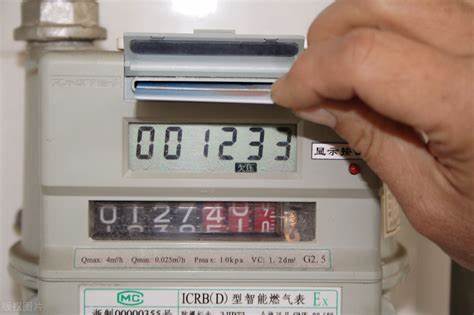
The Hidden Science in Your Gas Bill
Gas meters are everyday devices, but few people notice the tiny magnets inside them that ensure accurate billing and safety. These magnets - often no larger than a coin - come in two key types: anisotropic (directional) and isotropic (non-directional). Let's explore how they work, why their magnetic alignment matters, and how industries choose the right type for reliable gas measurement.
Gas Meter Magnets: How They Control Flow & Safety
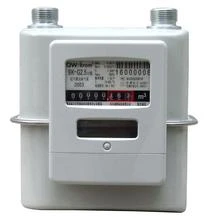
Gas meters use magnets to operate mechanical counters, trigger shut-off valves, or detect tampering. For example:
● Diaphragm meters: Magnets drive gears that track gas volume.
● Ultrasonic meters: Magnets stabilize sensors against vibrations.
● Smart meters: Magnets activate emergency shutoffs during leaks.
Critical requirements:
● Long-term stability: Must retain magnetism for 15+ years.
● Temperature resistance: Operate in -40°C to 85°C (-40°F to 185°F).
● Corrosion-proof: Resist moisture and hydrogen sulphide in natural gas.
Anisotropic vs. Isotropic Magnets: What's the Difference?
1. Anisotropic Magnets (Directional)
● Manufacturing: Aligned in a strong magnetic field during production, creating a preferred magnetic direction.
● Strength: 30–50% stronger than isotropic versions (e.g., 1,200–1,500 Gauss surface field).
● Use cases: Critical components like valve actuators, where consistent pull force is vital.
Example: N38SH anisotropic magnets in diaphragm meters ensure precise gear movements for ±0.5% accuracy.
2. Isotropic Magnets (Non-Directional)
● Manufacturing: No alignment during production, allowing magnetization in any direction post-production.
● Strength: Weaker but more flexible for custom shapes (e.g., 800–1,000 Gauss).
● Use cases: Tamper-proof seals or vibration dampeners in low-stress zones.
Example: Isotropic ferrite magnets in meter housings block external magnetic tampering.
Comparison Table: Anisotropic vs. Isotropic
|
Feature |
Anisotropic |
Isotropic |
|
Magnetic Alignment |
Single direction |
Random |
|
Strength |
High |
Moderate |
|
Cost |
20–30% higher |
Lower |
|
Customization |
Limited shapes |
Flexible (complex geometries) |
|
Lifespan |
15–20 years |
10–15 years |
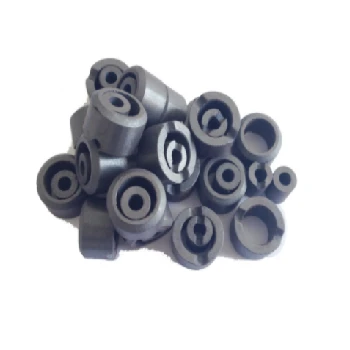
Outer ring: 19.4*12.5*12.4 Inner ring: 9.6*4.6*12.5
Why Magnet Type Matters in Gas Meters
1. Tamper Resistance
Thieves often place strong external magnets to disrupt meter readings. Isotropic magnets in tamper-proof seals:
● Create chaotic magnetic fields that confuse hacking devices.
● Trigger alarms if field patterns change (used in EU-certified meters since 2021).
2. Temperature Stability
Anisotropic neodymium magnets lose only 0.02% strength per °C up to 150°C (302°F), making them ideal for outdoor meters in extreme climates.
3. Corrosion Risks
Hydrogen in natural gas can penetrate magnet coatings. Industry solutions:
● Epoxy + nickel plating: For isotropic magnets in humid areas.
● Gold-ion coating: For anisotropic magnets in high-H₂S environments (e.g., oil fields).
How Gas Companies Choose Magnets
1. Durability Testing
● Thermal cycling: -40°C to 120°C, 500 cycles (ASTM D638).
● Salt spray test: 720 hours for coastal installations (ISO 9227).
● Gas exposure: 1,000 hours in 10% H₂S (NACE TM0177).
2. Regulatory Compliance
● ANSI B109.3: Requires anisotropic magnets for flow control valves in U.S. residential meters.
● MID 2014/32/EU: Mandates isotropic anti-tamper magnets in European smart meters.
3. Cost vs. Performance
● Budget meters: Isotropic ferrite magnets (0.50–0.50–1/unit).
● Premium meters: Anisotropic NdFeB magnets (2–2–4/unit) with 20-year warranties.
Innovations in Gas Meter Magnet Tech (2020–2023)
1. 3D-Printed Isotropic Magnets
Additive manufacturing allows complex shapes (e.g., honeycomb structures) that reduce weight by 40% while maintaining tamper resistance.
2. Self-Healing Coatings
Polymer coatings with microcapsules release corrosion inhibitors when scratched, extending magnet life by 5–8 years (tested by Gas Technology Institute in 2022).
3. AI-Powered Magnet Inspections
Machine learning algorithms now detect micro-cracks or coating flaws in magnets during production, cutting defect rates from 5% to 0.2%.
Key Takeaways for Gas Meter Manufacturers
Anisotropic magnets are best for high-precision moving parts; isotropic suits tamper-proofing and low-cost units.
Coating matters: Nickel for humidity, Parylene for chemical resistance.
Test rigorously: Simulate 20 years of gas exposure in 6 months using accelerated aging chambers.
Final Word
Choosing the right gas meter magnet isn't just about strength - it's about matching material science to real-world challenges like tampering, corrosion, and temperature swings. For B2B buyers, partnering with suppliers who offer batch-specific test reports and custom magnetization services ensures meters meet both regulatory and field demands.
Pro Tip: Always request a magnet's BH curve graph - it reveals how the magnet performs under real operating conditions, not just ideal lab settings!
Need anisotropic magnets that retain 99.5% flux after 15 years? Opt for vacuum-sintered NdFeB grades with dual-layer coatings - the gold standard for utility-grade gas meters.


