


What Are Button Magnets - And Why Do Industries Rely on Them?
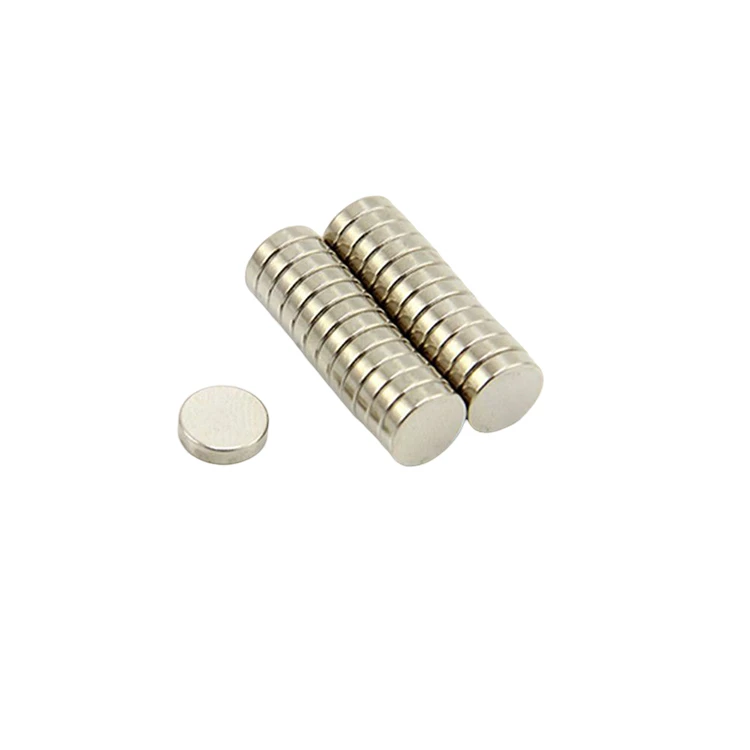
Button magnets (or disc magnets) are small, disc-shaped permanent magnets widely used in industrial applications due to their compact size, strong magnetic output, and versatility. Unlike temporary magnets, these retain magnetism without external power, making them ideal for automated systems, medical devices, and electronic assemblies.
Key Correction: A common misconception is that all button magnets are made of neodymium. In reality, they are available in multiple grades:
Neodymium (NdFeB): Highest strength but vulnerable to corrosion.
Samarium Cobalt (SmCo): Heat-resistant (up to 300°C) and corrosion-proof.
Ceramic/Ferrite: Cost-effective for non-critical applications.
Industries Revolutionized by Button Magnets
1. Automotive Manufacturing
Modern vehicles use button magnets in sensors, electric motors, and safety systems. For example, neodymium magnets enable precise position sensing in ABS brakes, while SmCo variants withstand engine heat.
Innovation Spotlight: Tesla's battery assembly lines utilize custom-coated NdFeB button magnets to secure components during high-speed robotic welding.
2. Medical Technology
MRI machines, surgical tools, and wearable devices rely on sterilizable SmCo magnets. A leading prosthetics manufacturer recently reduced device weight by 22% using miniaturized button magnets in joint actuators.
3. Consumer Electronics
From smartphone vibration motors to smart home sensors, button magnets ensure silent yet secure closures. Apple's MagSafe® accessories use layered NdFeB discs with nickel plating for scratch resistance.
4 Factors B2B Buyers Should Prioritize
1 . Material Selection
Use NdFeB for maximum strength (<45 MGOe), but pair with epoxy coatings in humid environments.
Choose SmCo for aerospace applications requiring stability under extreme temperatures.
2 . Customization Options
Top suppliers offer:
Diameter/thickness adjustments (1mm–50mm)
Multipole magnetization for robotics
FDA-approved biocompatible coatings
3 . Compliance & Testing
Ensure magnets meet:
RoHS/REACH: Lead-free and chemical-safe
ISO 9001: Quality control certification
Pull Force Testing: Measured in pounds/kg (e.g., a 10mm NdFeB magnet holds 6.5kg vertically)
4 . Bulk Pricing Strategies
Orders above 10,000 units often qualify for:
10%-20% volume discounts
MOQ flexibility for prototype batches
Avoiding Costly Mistakes: Expert Tips
Demagnetization Risks: Neodymium magnets lose strength above 80°C. For oven-dried coatings, specify high-temperature grades.
Corrosion Prevention: Salt-spray testing (ASTM B117) verifies plating durability. Nickel-copper-nickel triple layers outperform single coatings.
Safety Protocols: Magnets above 12mm diameter require secure packaging to prevent injuries during handling.
Sustainability Trends in Magnet Sourcing
With 90% of rare earth metals sourced from China, U.S. manufacturers are adopting:
Recycling Programs: Up to 95% of NdFeB scrap can be reprocessed.
Hybrid Designs: Combining ferrite cores with neodymium layers cuts costs and material use.
Blockchain Tracking: Companies like MagChain® now provide ethical mining certifications.
Case Study: How MagnaDrive Systems Cut Costs by 18%
A Texas-based motor manufacturer switched from standard NdFeB buttons to custom zinc-plated D45H grade magnets. Result:
40% longer lifespan in outdoor HVAC units
Reduced defect rate from 3.2% to 0.7%
Annual savings: $217,000
FAQ for Industrial Buyers
Q: Can button magnets be used underwater?
A: Yes - nickel-plated NdFeB or encapsulated SmCo magnets work in marine environments.
Q: How do you calculate the required magnet strength?
A: Use the formula: Holding Force (lb) = (MGOe × Area)/5.5. Always test prototypes under real conditions.
Q: What's the lead time for custom orders?
A: Standard delivery is 2–3 weeks. Rush services (72-hour delivery) may cost 20% extra.
Future Outlook: Smart Magnets & Industry 4.0
Emerging technologies are transforming button magnet applications:
3D-Printed Magnets: Complex shapes with optimized flux paths (Boeing is testing these for drone motors).
IoT Integration: RFID-embedded magnets for inventory tracking in auto parts.
Self-Healing Coatings: Nano-ceramic layers that repair minor scratches.
Why This Matters for Your Business
Selecting the right button magnets impacts product durability, safety margins, and profitability. Partner with suppliers who provide:
Free sample testing
CAD design support
Material traceability reports
Need a magnet solution that outperforms industry standards? [Contact our engineers] for a free technical consultation.


