


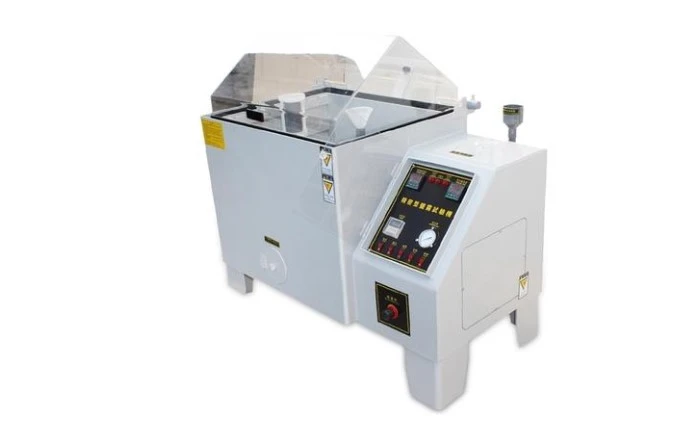
The Salt Spray Test (SST) is a widely used corrosion resistance test for strong magnets, particularly Neodymium Iron Boron (NdFeB) magnets, which are highly prone to oxidation and corrosion. This test evaluates the durability of the magnet's coating in harsh environments, ensuring long-term performance and reliability.
Why is the Salt Spray Test Important for Strong Magnets?
NdFeB magnets are highly reactive and easily corrode in humid or salty environments.
Protective coatings such as nickel (Ni-Cu-Ni), zinc (Zn), epoxy, or Parylene are applied to enhance corrosion resistance.
The SST helps determine how well these coatings protect the magnet over time.
Salt Spray Test Procedure
Preparation
The magnet is cleaned and placed in a controlled test chamber.
No scratches or coating damage should be present before testing.
Test Environment
A 5% NaCl (sodium chloride) solution is used to create a highly corrosive mist inside a sealed chamber.
The temperature is maintained at 35°C (95°F).
The chamber continuously sprays salt fog to simulate extreme conditions.
Testing Duration
Standard test times vary based on application:
24 hours – Basic corrosion check.
48–96 hours – Moderate resistance evaluation.
240–500+ hours – High corrosion resistance verification (common for industrial and marine applications).
Evaluation & Results
After testing, the magnet is examined for rust, oxidation, coating degradation, or structural damage.
Pass Criteria: No visible corrosion or damage to the protective layer.
Fail Criteria: Rust penetration, flaking, or coating failure exposing the magnet.
Common Coatings & Their Salt Spray Resistance
| Coating Type | Typical SST Hours | Application |
|---|---|---|
| Nickel (Ni-Cu-Ni) | 48–96 hrs | General industrial use |
| Zinc (Zn) | 24–72 hrs | Moderate corrosion protection |
| Epoxy | 500+ hrs | High resistance for harsh environments |
| Parylene | 1000+ hrs | Best for medical & aerospace |
Conclusion
The Salt Spray Test is a critical quality control step for strong magnets, especially NdFeB magnets. If your application requires high corrosion resistance, selecting the right coating type and testing parameters is essential.
For high-performance, corrosion-resistant Neodymium magnets, feel free to contact our factory for expert consultation and orders!


