


Disc NdFeB magnets, known for their powerful magnetic properties, are widely used in various industries, including electronics, motors, and sensors. Manufacturers customize these magnets to meet specific application needs by tailoring factors such as size, shape, magnetization direction, coating, and performance. Here's how the customization process typically works:
1. Selection of Raw Materials
The first step in customizing disc NdFeB magnets is choosing the right raw materials. NdFeB (Neodymium, Iron, Boron) is the primary composition, but the precise formulation can vary to suit different needs:
Alloy Composition: The ratio of neodymium (Nd), iron (Fe), boron (B), and other elements like dysprosium (Dy) or praseodymium (Pr) may be adjusted to enhance specific properties such as coercivity (resistance to demagnetization) or thermal stability.
Purity: High-purity raw materials are used to achieve maximum performance. Impurities can significantly reduce the magnetic properties of the finished product.
2. Sintering Process
The customization of the disc magnet begins with the sintering process, which involves:
Powder Preparation: The raw NdFeB powders are mixed and compacted into molds.
Sintering: The compacted powder is heated in a furnace under controlled conditions. This process causes the powder particles to fuse together, creating a solid magnet material with high magnetic strength.
The density, grain structure, and phase composition of the sintered magnet can be tailored during this process by adjusting temperature, time, and atmosphere. These factors influence the final magnetic properties of the disc NdFeB magnet.
3. Shaping and Cutting
After sintering, the NdFeB material is cut or machined into the desired shape. For disc magnets, this means:
Precision Cutting: The sintered block is sliced using wire cutting, laser cutting, or grinding techniques to achieve the precise disc shape and dimensions.
Tolerances: Tight tolerances are often required, particularly in industries such as electronics, where precise magnetic performance is crucial. Manufacturers can customize the size of the disc (diameter and thickness) to meet specific design requirements.
4. Magnetization Direction
Magnetization plays a key role in customizing the magnet's performance:
Axial Magnetization: The most common magnetization direction for disc NdFeB magnets, where the magnetic field is aligned along the central axis of the disc.
Radial Magnetization: For certain applications, like motors or loudspeakers, the magnetization can be applied radially, creating poles around the circumference of the disc.
Multi-pole Magnetization: Some applications, such as magnetic assemblies in motors, require multi-pole magnetization, where multiple poles are distributed on the surface of the disc.
Manufacturers select the appropriate magnetization technique based on the magnet's intended application.
5. Coating and Surface Treatment
Coating is essential for protecting the magnet from corrosion and wear. Common coatings include:
Nickel (Ni): A common coating for providing a shiny, durable finish while preventing corrosion.
Zinc (Zn): Offers better protection in corrosive environments.
Epoxy Coating: Applied in harsher environments where additional chemical resistance is needed.
Gold or Silver: For high-end, aesthetic applications, often used in jewelry and decorative items.
Surface treatment can also improve the magnet's performance by enhancing its resistance to mechanical stress or external factors.
6. Performance Testing
Before finalizing the custom disc magnets, manufacturers perform several tests to ensure that the magnets meet the required specifications:
Magnetic Strength: The magnetic flux, coercivity, and remanence of the magnet are measured to ensure they align with the customer's requirements.
Temperature Stability: The magnets may be tested at different temperatures to ensure they perform as expected in specific environments.
Mechanical Testing: Tensile strength, bending resistance, and hardness tests are often performed, especially for magnets used in high-stress applications like motors.
7. Packaging and Delivery
Once customized and tested, the magnets are carefully packaged to avoid damage during shipping. Manufacturers offer custom packaging options based on the customer's needs, whether for individual use or bulk shipments.
8. Additional Customization Options
Depending on the specific needs, additional customization options include:
Laser Engraving: For labeling or branding purposes.
Custom Shapes: While disc shapes are common, manufacturers can also create custom shapes (e.g., rings, segments, blocks) to fit unique applications.
Magnetic Assemblies: Disc magnets can be embedded into larger assemblies or combined with other components like metal plates, providing a complete magnetic solution for the end-user.
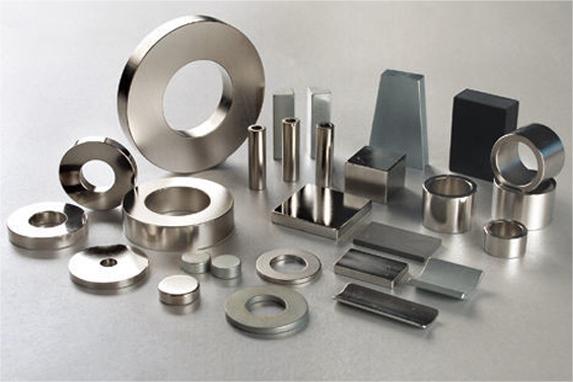
At QCM, we specialize in the customization of high-quality disc NdFeB magnets for a wide range of industries, including electronics, automotive, medical devices, and more. Whether you need a specific size, shape, magnetization direction, or coating, our expert team is here to help. Feel free to contact us for more information or visit our factory for personalized consultation on magnet solutions tailored to your needs.


