


NdFeB strong magnet has strong machinability, can be processed into different shapes of magnets, each magnet is designed and manufactured according to its use and purpose to suit its use, the real strength of strong magnets comes from raw materials, each shape of the magnet will affect its strength magnet and the shape of the magnet is very important and significant.
The most common shapes you will see are square, circle, sphere, and ring, however, there are almost no restrictions on the shape of the magnet. You can buy NdFeB arc magnets, NdFeB bar magnets, NdFeB square magnets, NdFeB cylindrical magnets, NdFeB disc magnets, as well as ring magnets, quadrangular pyramid magnets, conical magnets, triangular prism magnets, heart magnets, etc.
Now, let's take a closer look at the shape of magnets and see what are the different shapes of powerful magnets:
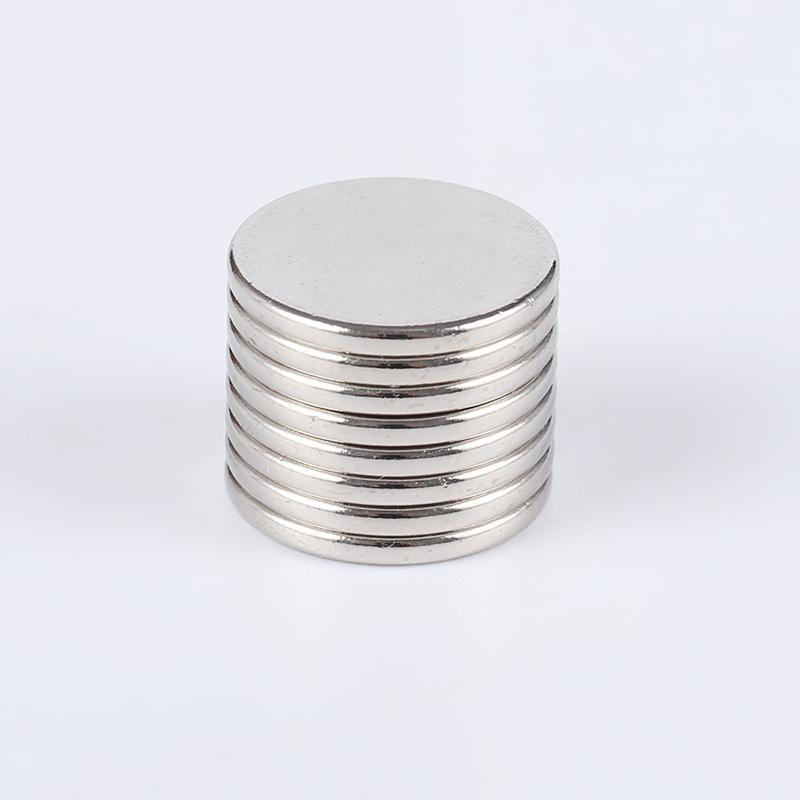
1. Disc Magnets:
Description: These magnets have a flat, circular shape with a uniform thickness. They are one of the most common shapes for NdFeB magnets.
Applications:
Motors: Disc-shaped magnets are widely used in small motors, such as those found in computer hard drives, air conditioning units, and electric toothbrushes.
Magnetic Assemblies: Often used in magnetic assemblies and fixtures, including sensors and switches.
Magnetic Therapy: In some alternative medicine treatments, small disc-shaped magnets are used for therapeutic purposes.
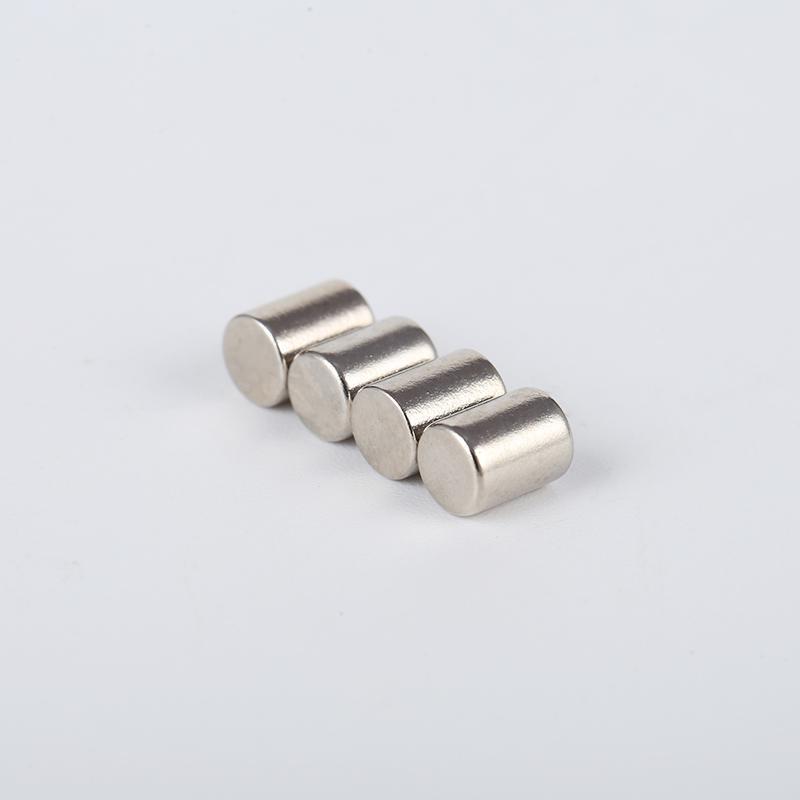
2. Cylinder Magnets:
Description: Cylindrical magnets, similar to disc magnets but with a larger height-to-diameter ratio.
Applications:
Speakers and Headphones: Cylindrical NdFeB magnets are frequently used in speakers, headphones, and microphones to generate strong magnetic fields in small, compact spaces.
Medical Devices: These magnets are also used in certain MRI machines and other medical devices that require strong, focused magnetic fields.
Sensors: Cylinder magnets are often used in magnetic proximity sensors, which detect the presence or absence of magnetic objects in industrial settings.
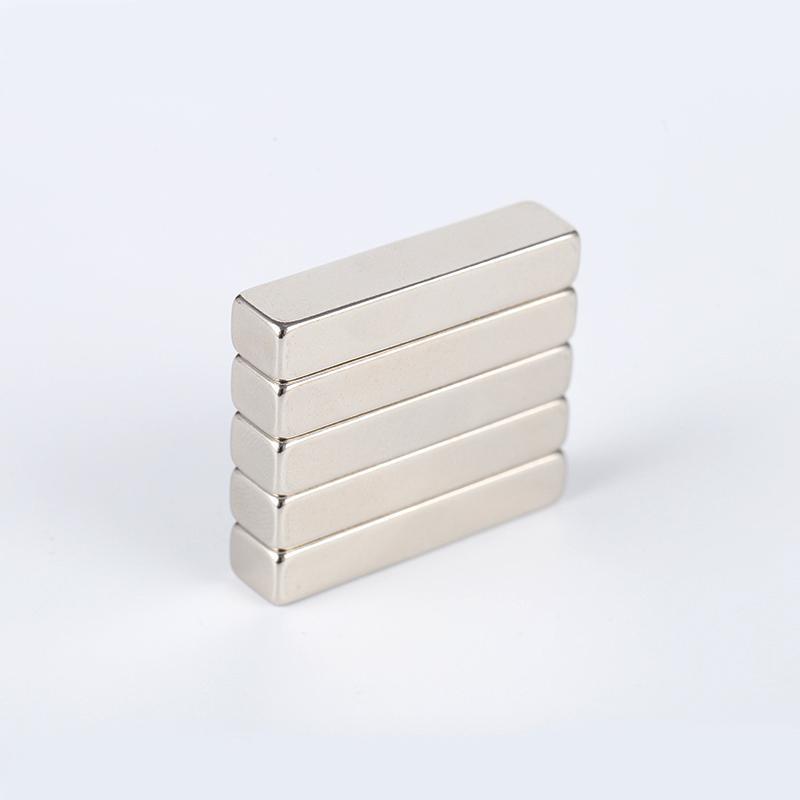
3. Block Magnets:
Description: Rectangular or cubic magnets, often with straight edges. They can vary in thickness, length, and width.
Applications:
Electric Motors: Commonly used in high-performance motors, especially in brushless DC motors for applications like power tools, drones, and electric vehicles (EVs).
Magnetic Couplings: NdFeB block magnets are used in magnetic couplings to transfer torque between shafts without physical contact, offering increased reliability and efficiency.
Magnetic Separators: These magnets are used in industrial separation systems to remove ferrous materials from processed materials in manufacturing.
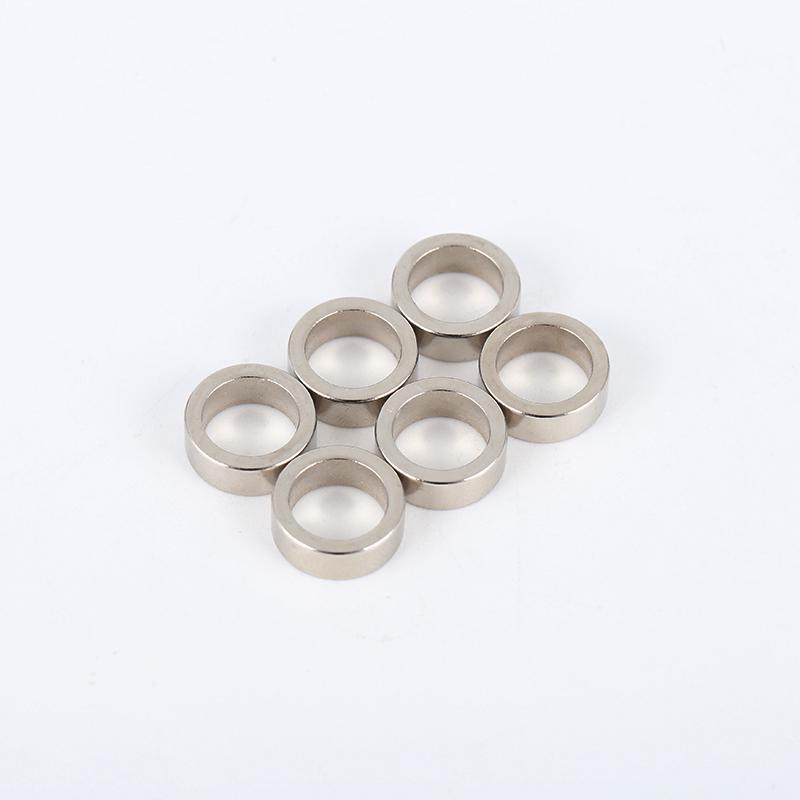
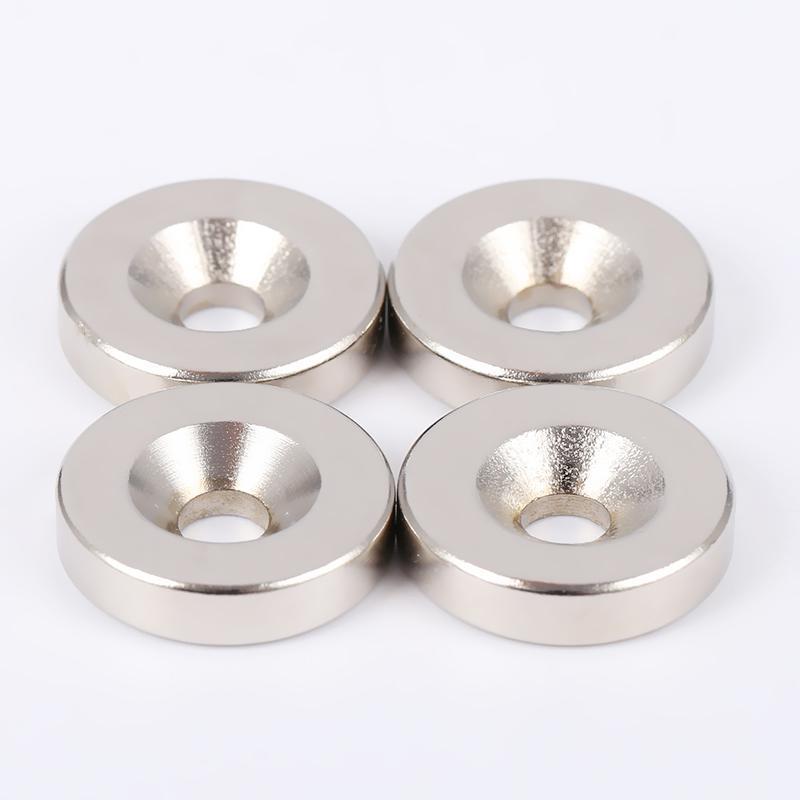
4. Ring Magnets:
Description: Circular magnets with a hole in the middle, giving them a ring shape. These magnets are typically used in applications requiring rotational movement.
Applications:
Motors: Ring magnets are often used in electric motors, particularly in the rotors of brushless motors. Their design allows for better integration into rotating systems.
Magnetic Bearings: In some high-precision applications, ring magnets are used in magnetic bearings, which provide support to rotating shafts without physical contact, reducing friction and wear.
Generators: NdFeB ring magnets are often used in wind turbine generators to produce electricity from mechanical motion.
5. Ring Magnets:
Description: Circular magnets with a hole in the middle, giving them a ring shape. These magnets are typically used in applications requiring rotational movement.
Applications:
Motors: Ring magnets are often used in electric motors, particularly in the rotors of brushless motors. Their design allows for better integration into rotating systems.
Magnetic Bearings: In some high-precision applications, ring magnets are used in magnetic bearings, which provide support to rotating shafts without physical contact, reducing friction and wear.
Generators: NdFeB ring magnets are often used in wind turbine generators to produce electricity from mechanical motion.
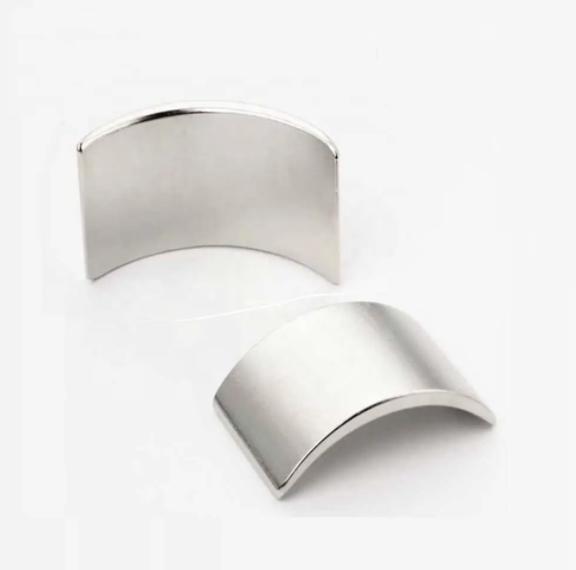
6. Arc Magnets:
Description: Arc-shaped magnets are commonly used in rotating machinery, such as in electric motors. Their shape helps create a consistent and even magnetic field across the motor's components.
Applications:
Wind Turbines: Arc magnets are often used in wind turbine generators to create strong magnetic fields necessary for power generation.
Magnetic Motors: Arc magnets are also crucial in high-efficiency motors, especially those with rotating magnet systems, like those found in hybrid vehicles.
Applications of NdFeB Magnets
The unique combination of high magnetic strength and compact size makes NdFeB magnets ideal for a wide range of applications. Some of the key uses include:
Electric Motors:
NdFeB magnets are a fundamental component in electric motors due to their high efficiency and compact size. From small motors in household appliances to large motors in electric vehicles (EVs) and industrial machinery, NdFeB magnets provide the high-performance magnetic fields needed to power motors effectively.
Hard Drives:
The disk drives in computers and data storage devices make extensive use of NdFeB magnets. These magnets are used to position the read/write heads in hard drives, allowing for quick data retrieval.
Wind Turbine Generators:
Due to their strong magnetic properties, NdFeB magnets are frequently used in the rotor of wind turbine generators. They play a key role in producing electricity from the mechanical energy of wind.
Magnetic Resonance Imaging (MRI):
NdFeB magnets are used in MRI machines for creating the strong magnetic fields needed to produce high-resolution body scans. Their compactness allows them to fit within the tight spaces of medical equipment.
Magnetic Separators:
In industries such as mining, recycling, and food processing, NdFeB magnets are used in magnetic separation systems. These systems are designed to extract ferrous materials from raw materials, ensuring purity and safety.
Consumer Electronics:
NdFeB magnets are used in a variety of consumer electronics, including headphones, speakers, and microphones. Their compact size and strength allow for better sound quality and miniaturization of devices.
Magnetic Levitation Systems:
Due to their strong magnetic properties, NdFeB magnets are used in magnetic levitation (maglev) trains. The magnets provide the necessary forces for levitation and propulsion, resulting in smoother and faster travel.
Sensors and Actuators:
NdFeB magnets are used in sensors and actuators for detecting motion or position. These applications span industries from automotive to robotics, where magnetic fields are used to measure and control movements.
Conclusion
The shape and application of NdFeB magnets are incredibly diverse, ranging from small consumer electronics to large-scale industrial machinery. Their exceptional magnetic strength and compact size make them indispensable in many modern technologies, including electric motors, hard drives, MRI machines, and renewable energy systems. The ability to customize their shape and size for specific applications further enhances their versatility and makes them essential components in various industries.


