


Cow stomach magnets, also known as rumen magnets, are specialized devices used in veterinary medicine to prevent a condition known as hardware disease in cattle. This disease occurs when cows accidentally ingest metal objects like nails, wires, or pieces of machinery, which can cause severe damage to their stomach and digestive system. The stomach magnet serves as a preventive measure, allowing farmers to protect their cattle from the harmful effects of ingested foreign materials. Let's take a closer look at how these magnets work.
1. Anatomy of a Cow's Stomach
Cattle have a complex stomach with four compartments:
Rumen: The largest compartment where fermentation and microbial digestion occur.
Reticulum: The second compartment, often referred to as the "honeycomb" structure, where smaller food particles are filtered.
Omasum: The third compartment, which absorbs water and nutrients.
Abomasum: The fourth compartment, similar to the human stomach, where gastric juices break down food.
Hardware disease typically affects the reticulum, where foreign objects can become lodged and puncture the stomach walls, leading to infections and severe health issues.
2. Function of the Cow Stomach Magnet
The cow stomach magnet works by attracting and holding any ferrous (magnetic) metal objects that the cow may ingest. Here's how it functions:
Magnet Placement: The magnet is typically administered orally by a veterinarian or farmer, either in the form of a bolus (pill) or capsule, which the cow swallows.
Attraction of Metal Objects: Once ingested, the magnet travels to the reticulum and settles there. As the cow continues to eat and forage, any ferrous metals in the stomach-such as nails, bolts, or pieces of wire-are attracted to the magnet.
Prevention of Damage: By holding onto these metallic objects, the magnet prevents them from migrating and puncturing the walls of the stomach compartments, particularly the reticulum, where they could cause painful abscesses, infections, or even fatal injuries.
3. Benefits of Cow Stomach Magnets
The use of stomach magnets offers several key benefits for farmers and cattle health:
Prevents Hardware Disease: By attracting and holding metal objects in place, the magnet reduces the risk of damage to the cow's stomach and internal organs.
Improves Animal Welfare: Cows that ingest metal objects may suffer from pain, infection, or even death. The magnet prevents this, ensuring better health and comfort for the animal.
Cost-Effective Solution: Hardware disease can be expensive to treat, and in many cases, it leads to the loss of the animal. The stomach magnet is a low-cost, proactive solution to avoid the need for expensive treatments or veterinary care.
Long-Lasting: Once inserted, the stomach magnet remains in place for the life of the cow, requiring no further intervention.
4. How the Magnet is Administered
Oral Administration: The most common method is to give the magnet in the form of a bolus (tablet or capsule). The magnet is swallowed by the cow and travels down into the reticulum, where it begins its job of attracting metal objects.
Size of the Magnet: The magnet is typically designed to be small enough to swallow easily but large enough to attract significant amounts of metal. The magnet is usually made of a strong material like neodymium or ferrite, which can generate a strong magnetic field to attract ferrous metals.
5. Types of Cow Stomach Magnets
There are different types of magnets used for this purpose:
Ferrite Magnets: These are made from a combination of iron oxide and other elements like barium or strontium. They are durable and cost-effective.
Neodymium Magnets: Stronger than ferrite magnets, neodymium magnets provide a more powerful magnetic field, which is beneficial if there is a high risk of larger or more embedded metal objects.
Coated Magnets: Some magnets are coated with a material like stainless steel to prevent corrosion and wear, especially when exposed to stomach acids over long periods.
6. Are There Any Risks?
Magnet Expulsion: In rare cases, the magnet may be expelled from the cow's stomach through the digestive system, although this is highly unlikely with proper administration.
Over-Sized Magnets: Magnets that are too large or improperly placed could pose a risk of injury or blockage in the digestive tract, which is why it's important to use the correct size and type of magnet.
Non-Magnetic Objects: Stomach magnets only attract ferrous materials. Non-ferrous objects like plastic, wood, or glass will not be attracted and may still pose a risk to the cow if ingested.
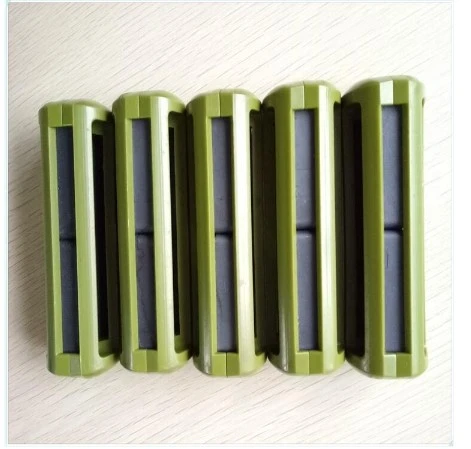
Cow stomach magnets are a simple yet highly effective solution to prevent the potentially fatal condition of hardware disease in cattle. By safely attracting and holding ferrous metal objects within the stomach, these magnets help ensure the health and well-being of cows, reduce veterinary costs, and improve overall farm productivity. If you're interested in learning more about stomach magnets or looking to implement them on your farm, don't hesitate to contact QCM for professional advice and consultation. We are happy to assist you in selecting the best magnet solution for your needs.


