


At QCM, we specialize in creating advanced magnetic solutions to meet the diverse needs of various industries. One of the most widely used and effective tools we manufacture is the magnetic separator. Magnetic separators are integral to processes that require the removal of ferrous contaminants from bulk materials or liquids, and they are essential in industries ranging from food processing to mining. In this article, we will explore what a magnetic separator is, how it works, its different types, and its broad range of applications, all from the perspective of our expertise in manufacturing magnetic products.
What is a Magnetic Separator?
A magnetic separator is a device used to separate magnetic materials (typically ferrous materials like iron or steel) from non-magnetic materials in a variety of applications. This is typically done using permanent magnets or electromagnetic coils that create magnetic fields. The magnetic separator is designed to pull magnetic particles from materials like ores, powders, liquids, or bulk solids, and remove contaminants that could negatively impact the quality or safety of the product or process.
Magnetic separators are most commonly used in mining, recycling, food processing, and chemical industries, but they are versatile tools that can be adapted for a wide range of applications. They come in a variety of designs, from simple magnetic bars and drums to more complex systems that use powerful electromagnetic forces to attract and remove unwanted magnetic particles.
How Does a Magnetic Separator Work?
The basic principle behind a magnetic separator is relatively simple: it uses magnetic forces to attract ferrous materials while leaving non-ferrous materials unaffected. Here's how it works in practice:
Magnetic Field Generation
A magnetic separator uses a magnet (permanent or electromagnetic) to generate a magnetic field. This field is used to attract ferrous particles within a material stream or on a processing line.
Separation Process
As the material passes through the magnetic field, magnetic particles, such as iron filings, steel shavings, or other ferrous debris, are drawn to the magnetic surface. These contaminants stick to the magnet, while the non-magnetic materials continue through the system unaffected.
Cleaning and Maintenance
After the magnetic separator has removed the magnetic particles, the cleaned material can be further processed or used in its intended application. Depending on the design, the magnetic separator can be manually cleaned or use automated systems to remove the ferrous particles from the magnets, ensuring continuous operation.
The efficiency of a magnetic separator depends on factors such as the strength of the magnet, the flow rate of the material, and the size of the contaminants being removed.
Types of Magnetic Separators
There are several different types of magnetic separators, each designed for specific applications and industries. The most common types include:
Magnetic Drums
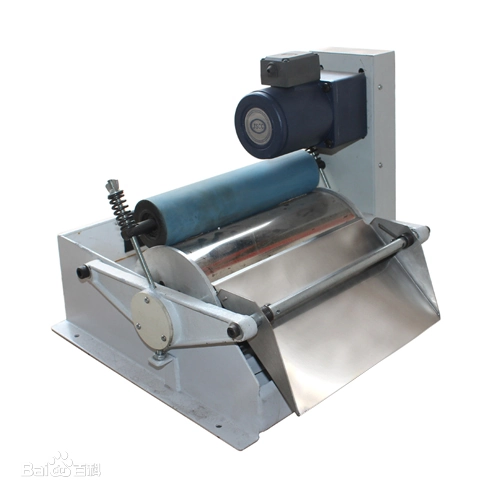
Magnetic drum separators are typically used for high-volume applications where materials are continuously fed into the system. As the material flows over the rotating drum, magnetic particles are attracted to the drum's surface, while non-magnetic particles fall off the edge and are collected separately. This type of separator is widely used in mining, recycling, and bulk material processing.
Magnetic Bars
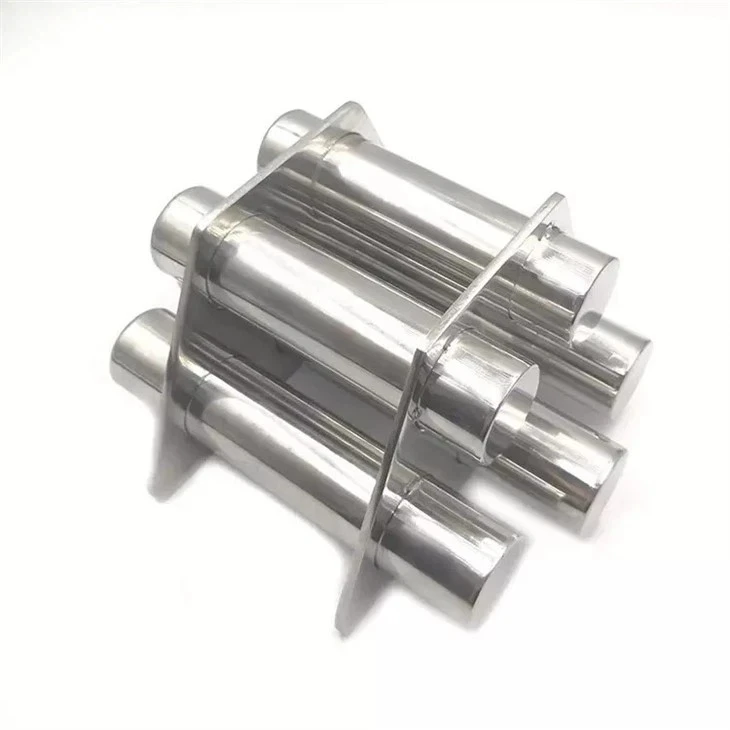
Magnetic bar separators consist of rods or bars with powerful magnets inside, which are often placed in a row inside a housing. Magnetic bars are commonly used in food processing, pharmaceuticals, and chemical industries where fine ferrous particles need to be removed from bulk powders or liquids. These bars can be inserted into existing processing equipment, such as hoppers or conveyors, for efficient separation.
Overband Magnets
Overband magnetic separators are typically installed above a conveyor belt to remove ferrous contaminants from bulk materials as they move along the conveyor. As the material passes beneath the overband magnet, ferrous particles are pulled up onto the magnet's surface and then discarded. This type of separator is used in industries like mining, construction, and recycling.
Cross-Belt Magnets
Similar to overband magnets, cross-belt magnetic separators are mounted above the conveyor, but the magnet is placed at an angle to the material flow. These are used to remove ferrous materials from large quantities of bulk materials, such as in mining operations or waste recycling.
Drum-Type Magnetic Separators
These are typically used for removing ferrous contaminants from dry bulk materials and are especially useful when separating materials with a high level of metal contamination. The drum type is used in industries such as minerals processing, food production, and plastics.
Electromagnetic Separators
Electromagnetic separators use electromagnets that generate strong magnetic fields, which can be adjusted based on the size and type of material being processed. These separators are often used for more demanding applications where a high level of precision and force is required. Electromagnetic separators are common in metal recovery, mining, and chemical processing.
Magnetic Filters
Magnetic filter separators are used to remove ferrous particles from liquids or oils. These separators often consist of magnetic rods arranged inside a housing that captures metal contaminants from liquids as they pass through. Magnetic filters are commonly used in coolant systems, hydraulic systems, and food and beverage production.
Applications of Magnetic Separators
Magnetic separators are used in a wide range of industries, each benefiting from the ability to remove ferrous contaminants efficiently. Below are some of the key applications:
Food and Beverage Industry
In the food industry, magnetic separators are used to ensure the safety and cleanliness of food products. Contaminants such as metal shards or iron particles from machinery can pose significant risks to both consumers and production lines. Magnetic separators help remove these harmful particles, maintaining product quality and safety. They are commonly used in flour mills, grain processing, canning operations, and dairy production.
Recycling Industry
In recycling facilities, magnetic separators are essential for separating ferrous metals, such as iron, steel, and aluminum, from other recyclable materials. This separation process ensures that only valuable metals are recycled, increasing the efficiency and profitability of recycling operations. Magnetic separators help separate ferrous metals from plastics, glass, and other materials.
Mining and Mineral Processing
Magnetic separators are crucial in the mining industry, where they help separate magnetic minerals (like magnetite) from non-magnetic minerals (like quartz or feldspar). This is an essential step in the processing of ores, particularly in iron ore mining, where iron-rich minerals need to be isolated from the rest of the material.
Chemical Processing
In the chemical industry, magnetic separators help ensure that no metal contaminants are introduced into sensitive chemical products or reactions. These separators are used in the processing of powders, liquids, and granular materials to ensure product purity.
Plastics and Rubber
Magnetic separators are used in the plastic and rubber industries to ensure that no ferrous metal contaminants are present in the raw materials before they are processed. They help maintain the integrity of finished products, which could be damaged or weakened by metal contaminants.
Pharmaceuticals
In pharmaceutical manufacturing, magnetic separators are used to remove metal contaminants from powders, liquids, or other substances. This is crucial to ensure that products are safe for consumption and meet stringent regulatory standards.
Waste Management
Magnetic separators are widely used in waste management to extract ferrous metals from garbage or scrap materials. This helps reduce contamination in landfills and increases the value of recyclable materials.
Benefits of Using Magnetic Separators
Enhanced Product Quality
Magnetic separators help remove harmful metal contaminants from raw materials or final products, ensuring higher quality and safety. This is particularly important in food, pharmaceuticals, and manufacturing.
Cost Efficiency
By removing ferrous contaminants, magnetic separators help reduce product waste, minimize equipment damage, and lower cleaning costs, resulting in significant cost savings over time.
Improved Operational Efficiency
Magnetic separators help streamline production processes by continuously removing contaminants, reducing the need for manual sorting or cleaning, and ensuring a smooth, uninterrupted workflow.
Environmental Benefits
Magnetic separators play a role in recycling efforts by improving the purity of metals, ensuring that only valuable materials are reclaimed, and reducing the amount of waste sent to landfills.
Durability and Low Maintenance
Magnetic separators are built to last, with minimal maintenance requirements. The durable design of most magnetic separators ensures long-term performance, reducing downtime and maintenance costs.
Conclusion
A magnetic separator is an essential tool for many industries, helping to ensure product quality, safety, and operational efficiency. From food processing to recycling and mining, magnetic separators play a crucial role in removing ferrous contaminants from materials, thus protecting equipment and improving product integrity. At QCM, we specialize in designing and manufacturing magnetic separators that meet the specific needs of our clients, ensuring reliable performance and maximum efficiency in a wide range of applications. With our high-quality separators, businesses can maintain clean processes, improve productivity, and enhance the overall quality of their products.


Whatsapp: 8618650113736 (our owner)


