


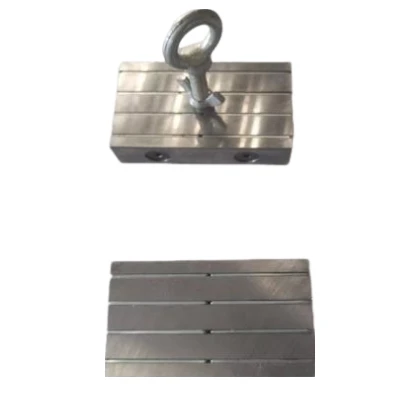
A fishing magnet is a powerful magnet, typically made of neodymium, used to retrieve metal objects from bodies of water. It's commonly used in a hobby called magnet fishing, which involves lowering a magnet into lakes, rivers, or canals to find and recover items that have been discarded or lost underwater.
Uses and Benefits of a Fishing Magnet
1. Metal Object Retrieval
The primary purpose of a fishing magnet is to retrieve ferrous metal objects (those made of iron, steel, or other magnetic metals) that have sunk or been discarded in bodies of water. These can include:
Old tools
Bicycles
Cars or vehicle parts
Coins and jewelry
Weapons (e.g., guns, knives)
Nails, screws, and bolts
This process can be especially helpful for cleaning up polluted waterways by removing unwanted metal debris from the environment.
2. Hobby and Adventure
Magnet fishing has become a popular recreational activity, where people use fishing magnets as part of an adventurous pursuit to see what interesting or historical objects they can pull out of the water. It's a unique form of outdoor exploration that combines treasure hunting and environmental conservation.
3. Environmental Cleanup
Magnet fishing is an eco-friendly way to help clean up waterways. Metal objects, when left in the water for a long time, can be harmful to aquatic life. By using fishing magnets, people can help reduce pollution by pulling metal waste from lakes, rivers, and oceans, contributing to the overall health of the environment.
4. Locating Historical Artifacts
In some cases, magnet fishing can also be used to discover historical artifacts or items of cultural significance. For example, people have found old coins, weapons, and relics from wars, wars, or previous generations that have sunk or been lost in the water.
5. Commercial Use
In commercial applications, fishing magnets are used by professionals for tasks such as:
Removing metal debris from construction sites, rivers, or harbors.
Clearing industrial areas where scrap metal or old machinery may have ended up in water sources.
Finding lost items that may be of value in salvage operations.
6. Archaeology and Research
Fishing magnets can sometimes be employed in archaeological surveys or research projects. Archaeologists and researchers use magnets to help locate submerged artifacts, shipwrecks, or items of historical value. The ability to pull metal objects from beneath the water's surface can aid in the investigation of past cultures or underwater environments.
Conclusion
Fishing magnets serve multiple purposes, from recreational magnet fishing to helping clean up waterways, and even finding historical or valuable objects. The process is relatively simple but requires a strong magnet (usually neodymium) that can withstand being submerged in water and pull up objects with enough weight to be significant. Whether you're looking for a fun hobby or aiming to contribute to environmental conservation, a fishing magnet is a versatile tool with many uses.


