


In most cases, energizing a magnet-whether through an external electric field or other means-won't demagnetize it. However, there are some specific conditions where energizing or exposing a magnet to external energy can affect its magnetic properties. Let's explore the various factors that determine whether a magnet will be demagnetized when energized.
1. The Nature of the Magnet (Permanent vs. Electromagnet)
Permanent Magnets:
Permanent magnets, such as neodymium or ferrite magnets, have stable magnetic fields that are not easily affected by external electric currents or fields. Energizing or applying an electric field to a permanent magnet does not typically demagnetize it.
However, there are some circumstances that can affect the magnet's strength or cause demagnetization.
Electromagnets:
Electromagnets, on the other hand, are temporary magnets that only exhibit magnetic properties when energized by an electric current. These magnets are designed to lose their magnetism once the current is switched off.
In the case of permanent magnets, energizing them would not typically cause them to lose their magnetism, but rather the external field could alter the alignment of magnetic domains temporarily.
2. High-Intensity Fields or Heat Exposure
Strong External Magnetic Fields:
If a permanent magnet is exposed to an external strong magnetic field or electric field, it could lead to a loss of magnetization or a decrease in its magnetic strength.
For instance, if you energize the magnet in such a way that it is exposed to a reversed magnetic field of sufficient strength, the magnet's domains may realign, potentially demagnetizing it.
Heat Exposure:
High temperatures can also demagnetize a magnet. If a magnet is exposed to temperatures above its Curie point (the temperature at which a material loses its permanent magnetism), it will lose its magnetism regardless of whether it is energized.
For neodymium magnets, the Curie point is around 310°C (590°F), while for ferrite magnets, it is higher-usually around 450°C to 500°C (842°F to 932°F).
3. Vibrations and Mechanical Shock
Mechanical shock or vibrations can also cause some types of permanent magnets to lose their magnetization, especially if the magnet is exposed to these conditions repeatedly. This is because the alignment of the magnetic domains can be disturbed by external forces.
Energizing a magnet under extreme mechanical stress may sometimes have a similar effect, although it's typically more of a concern for electromagnetic devices than for stable, well-manufactured permanent magnets.
4. Energizing with AC Current
If a permanent magnet is exposed to alternating current (AC), the alternating magnetic field can disrupt its magnetic domains and potentially weaken the magnet's overall strength. In contrast, direct current (DC) does not typically have the same effect.
While AC fields can induce a changing magnetic environment around the permanent magnet, in most practical scenarios, the effect on permanent magnets is minimal unless the field is intense or the magnet is subjected to this field for extended periods.
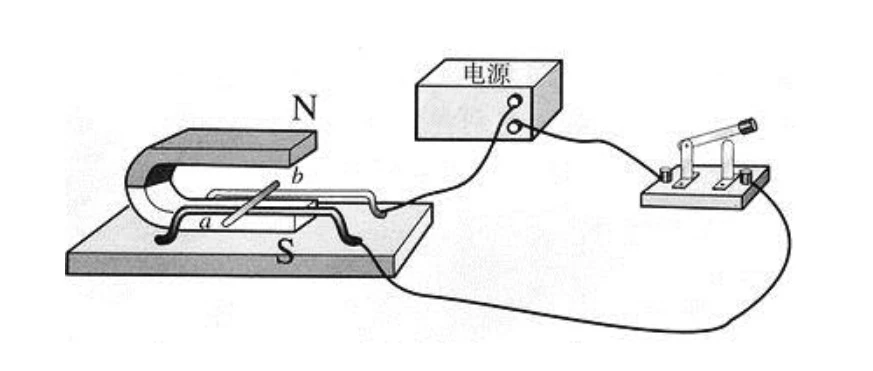
5. Energy Loss from Induced Fields (Hysteresis)
When a magnetic field is applied to a permanent magnet, it may cause a temporary change in the magnet's properties, which is known as hysteresis. In the case of permanent magnets, this is usually reversible, but if the field is strong enough and the magnet's internal structure is altered, it could lead to a permanent reduction in magnetism.
Conclusion
In general, energizing a magnet does not demagnetize it, particularly for permanent magnets. However, factors such as exposure to strong external magnetic fields, high temperatures, vibrations, or alternating electric currents can potentially weaken the magnet or cause it to lose some or all of its magnetism.
For electromagnets, energizing them is essential to produce their magnetic field, and they will only retain their magnetism while energized. Once the energy is removed, they lose their magnetic properties.
At QCM, we recommend taking proper precautions to prevent magnets from being exposed to extreme conditions that could affect their performance and longevity, ensuring that their magnetic strength is maintained.


